
Exploring the Intimacies of the Internet with Mindy Seu
Interview by Edie Hopgood
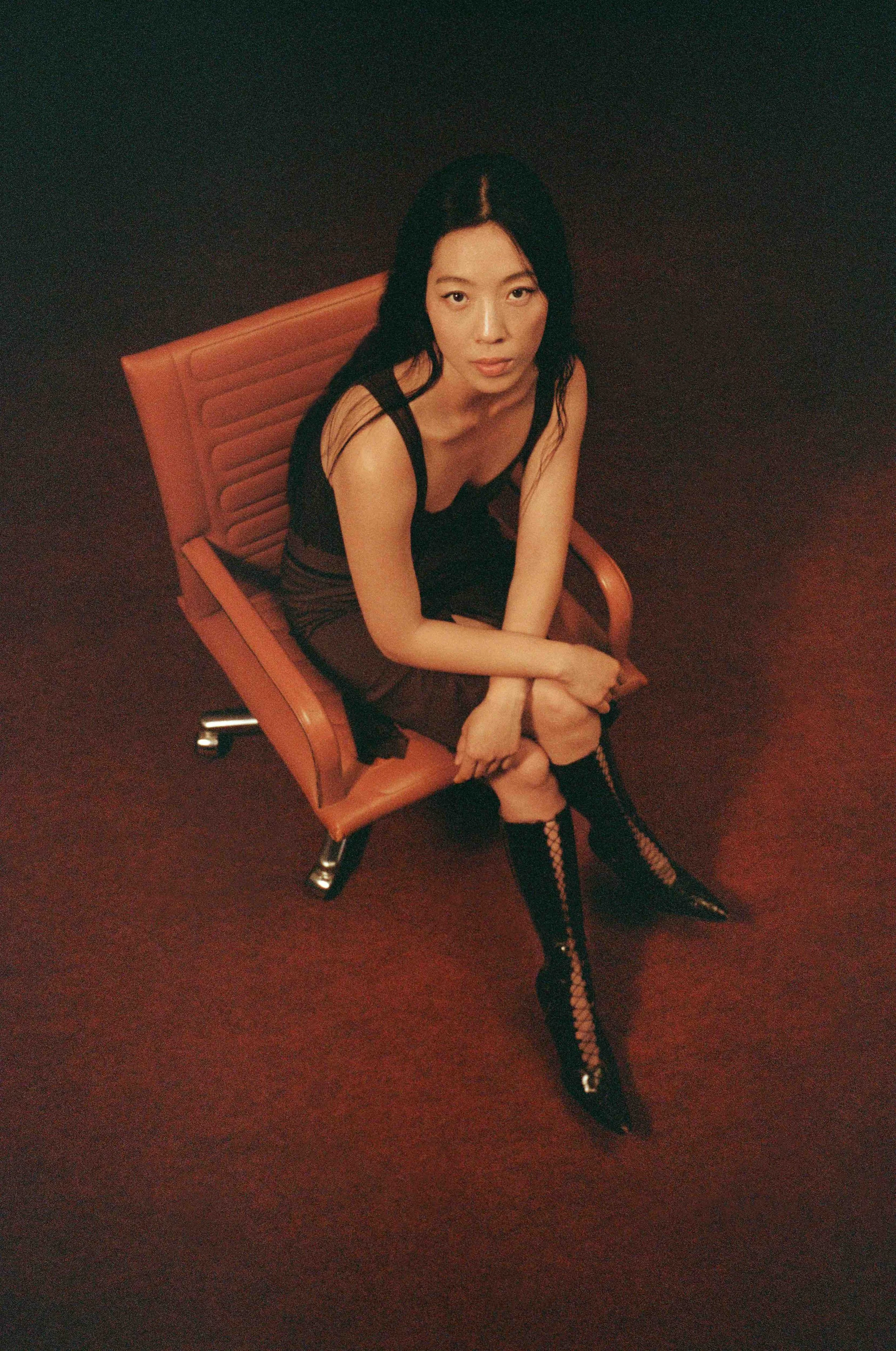
Mindy Seu. Portrait by Iga Drobisz.
Mindy Seu, a researcher, artist and tech-historian based between Los Angeles and New York City, holds what she describes as a ‘generalist reach’ – and she has the CV to prove it, taking the form of a publicly accessible spreadsheet. Her titles over the years have spanned professor, juror, mentor, publisher and designer, leading her to lecture everywhere from the Barbican Centre, to Central Saint Martins, to Google, to Pornhub.
Her first publication, Cyberfeminist Index, has been described as a ‘psuedo-encyclopedia’ chronicling decades of cyberfeminism – a term coined by South-Australian art collective VNS Matrix and British theorist Sadie Plant – and online activism. Seu’s most recent project, A Sexual History of the Internet, documents the discretion and exploitation that has long surrounded sexuality online, through tracing the ‘pervasive and perverted origins of our digital tools’. In the publication, Seu outlines her belief that ‘preservation is an important impulse when sharing stories that have been historically ignored’.
A Sexual History of the Internet is part participatory lecture, part performance art, and part physical archive. The performance began on Instagram, where audience members read aloud citations from a ‘script’ of Instagram stories. Upon experiencing censorship issues due to the platform's community guidelines, the performance quickly shifted to adopt ‘algo-speak’ (the language used to side-step platform restrictions). This inspired the production of her latest publication as a vessel to immortalise the script’s original form. Revolutionary in the way that it subverts traditional publishing structures, every person who is cited in the book splits 30 per cent of all profits. Seu describes this as an ‘experiment’, with the overall aim of transparency and financial redistribution.
Edie Hopgood joins Mindy Seu on what can only be described as an electronically challenged Zoom call, from frozen screens, to fragmented wireless connections, to a grid power outage on Hopgood’s street that led to her hotspotting in darkness for the remainder of the call. Against all odds, the pair engaged in a thoughtful discussion spanning the ‘tapestry’ of Seu’s interdisciplinary practice, the progression of A Sexual History of the Internet, and the necessity of unveiling alternate digital histories.
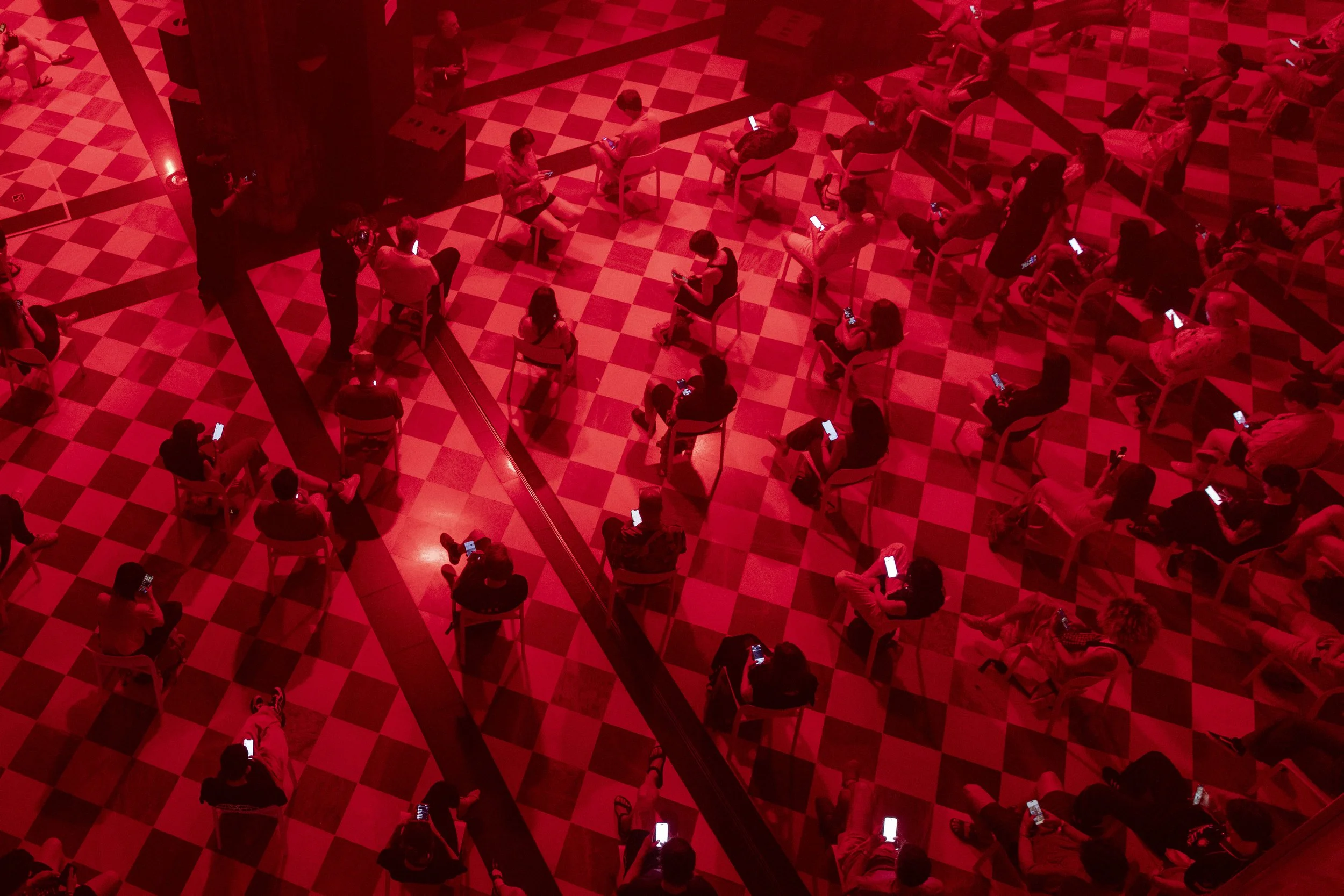
Sónar+D performance of A SEXUAL HISTORY OF THE INTERNET in Barcelona on June 18, 2026. Photo by Cecilia Diaz Betz, courtesy Sónar+D.
EDIE HOPGOOD: There’s much breadth to your work. I saw you describe yourself somewhere as ‘medium agnostic’, which I thought was a unique way of categorising yourself. How does this feel relevant to your practice and the way you approach different mediums?
MINDY SEU: Maybe it’s used more in interdisciplinary practice, but I like this term because, for me, it feels liberating. I can focus on specific themes or modes of research, and then allow the output to emerge naturally – whether that’s through a performance, a publication, a website, or something more physical.
I really appreciate how many of my peers seem to be specialists in specific media. But for me, I like medium agnosticism because it allows for a sort of openness. I have more of a generalist reach and maybe suffer from a bit of boredom, so it helps me hop around.
EH: There seems to be a big conversation around finding your niche amongst online communities. But, seeing as your research spans practices, it makes sense to not be defined by just one thing. You mentioned that the medium often presents itself through research. How do you find that your initial research ideas tend to present themselves?
MS: These things don’t happen in a bubble, we’re living in a dynamic ecosystem. We go into the world and we meet people who are either introducing us to new topics or reinforcing the things that we already recognise. I think for me, when thinking about a project, being able to hold different experiences at a similar level is helpful. There is obviously a lot of importance to academic citation and reference, but pairing that alongside anecdotal evidence, more intimate confessions, or something that has more material resonance, to me, creates a very weird tapestry. It feels more inspiring. I also think it is helpful because I don’t have to assume ‘primary narrator’.
I believe this is a common practice for most people, but we have come to valorise this idea of the individual – the artist as a lone genius. So, if anything, it suggests that maybe no idea emerges on its own, but actually comes through our networks, lived experience or really engaging with the world. Or, how else do you know what you’re responding to?
EH: Is that the same train of thought that inspired your approach to citation with the publishing of A Sexual History of the Internet?
MS: This financial experiment emerged because we were self-publishing this book, which is already a big step. For Cyberfeminism Index we went through a proper publisher and distributor. In some ways, this makes the author’s life easier, because the publisher and distributor take on the invisible labour, like warehousing, shipping, tariffs and other logistics. But, it also creates an extreme imbalance in payment structure.
I was highly advised against self-publishing. For anyone interested in self-publishing, it is an extreme amount of work that I did not expect. But, that said, there was suddenly a transparency to where every penny went. I could see exactly how much went to a printer versus a fulfillment centre. It also made me think about the way I was paying my collaborators, like Laura Coombs, who’s a good friend and designer of the book as well as Cyberfeminism Index. She would only receive a lump sum, which is standard, but I wondered if there was a way to reinvent this. If there was a way to guarantee a base minimum but that, if we did end up making more profit, she would make more, as would I.
I thought, if Laura and the other collaborators are getting paid by percentage, is there a way to see the various people cited as collaborators? Because they are the ones that helped piece together this alternative narrative.
When I first posted about this financial experiment, most people were very excited. But there were a few people that commented on how we shouldn’t commodify knowledge production, and that if we are paying for citation, that it feels like a marker of late-late capitalism and etcetera. This made me recall Richard Stallman, who is a creator of the open-source software movement. He has a quote that is ‘free as in speech, not free as in beer’. Have you heard of this?
EH: No, I haven’t.
MS: Free as in speech, not free as in beer basically refers to two types of freedoms that often get mixed together: libre versus gratis. So gratis is zero dollars. This beer is free, it costs zero dollars. Libre is access to universal knowledge. It is the right to a principle, which is a different kind of freedom.
With that quote, Stallman wasn’t suggesting that open source software engineers do free labour, they were instead arguing that the actual thing they were creating should be open access. Along the lines of universal access to knowledge, open borders, these are very utopic principles. I think that was important to distinguish and rely on when creating this narrative. So, all to say, pro-libre.
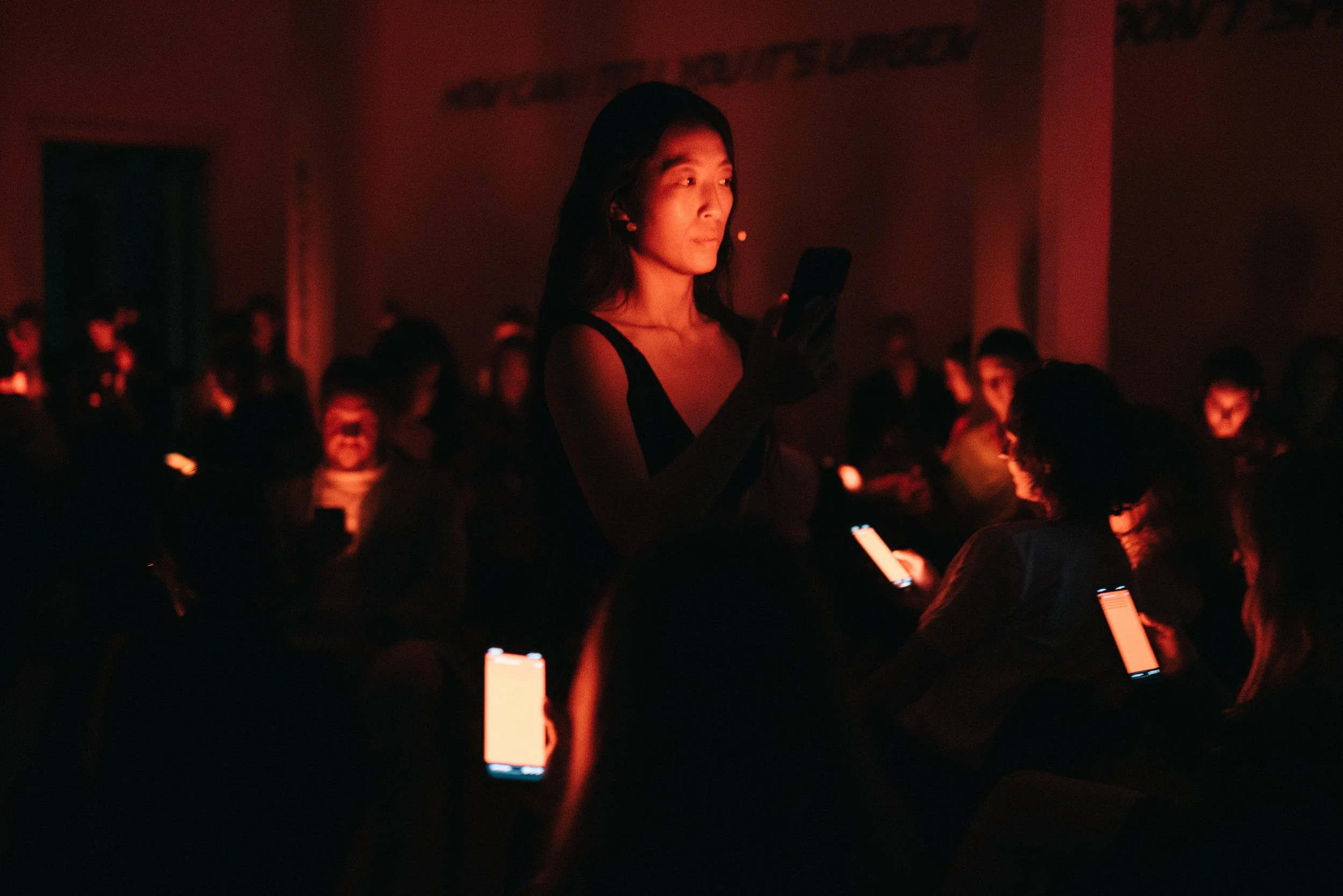
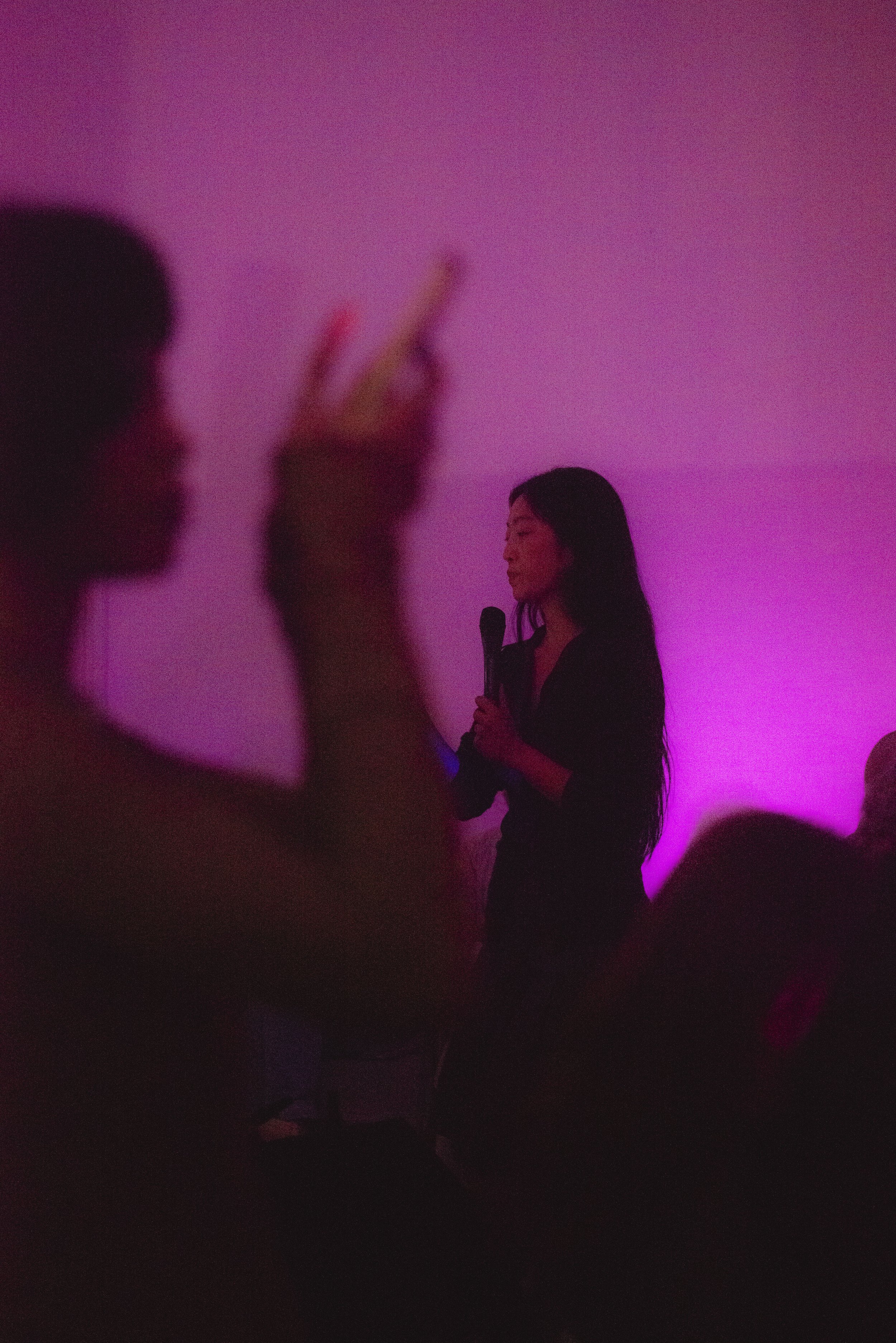
Kim? Contemporary Art Centre performance of A SEXUAL HISTORY OF THE INTERNET in Riga, Latvia on July 3, 2026. ©Kim? Contemporary Art Centre, Riga. Photos: Dasha Trofimova.
EH: Both of your publications recognise the often overlooked contributions of women and minority groups in the development of technology. It’s admirable to create a throughline of this recognition in your financial structures, too. It’s interesting that people online still found ways to criticise this.
MS: Exactly, why not create a safety net or a method of financial redistribution.
EH: Regarding Cyberfeminist Index, I saw you originally refer to it as a ‘bibliographic tool’ for yourself that ‘snowballed’ once it was publicly distributed. I was wondering if you felt similarly about the trajectory of A Sexual History of the Internet as a project? Starting as a performance then developing into a book as a physical archive.
MS: These days, if you go to a lecture or performance, everyone takes a photo and posts about it. But in this performance, you’re unable to do that, because we are using your phone and every audience member is participating in the performance. I think that prompted a network effect and maybe a word of mouth transfer which caused a bit more excitement around it.
It was surprising how both the performance and the book built a momentum of their own. I think part of this is because I truly believe in prototyping in public. It allows a community to form around the project in process, rather than it remaining a secret and then publishing when you think it’s complete.
EH: The performance itself also seems quite iterative in the way that it subverts Instagram, and the way that we use Instagram, as a platform. At the end of the performance, you tell the crowd they’ve participated in a ‘cyber-domming’ of sorts.
MS: What you’re referring to is the term ‘tech-domme’ or ‘data-domme’, which was coined by Mistress Harley. This is important because it’s a very unusual strand of BDSM that has emerged. It feels contemporary because the eroticisation of surveillance technology feels very specific to our time.
If you grew up with parental controls or lack of access to online spaces, then it makes sense that you might try to reclaim and therefore eroticise this space. By closing the performance with this reference to data domination and how people actively chose to follow my rules, I try to help people recognise that we are often opting into rules or structures, and it’s worth questioning that.
That could even start with Instagram itself. On Instagram, we are conditioned to doomscroll and consume a lot of media. But in this performance, we recontextualised it as an endurance tool. It auto-plays very slowly. So I think, similarly, it makes us think: what rules do we accept as the norm and is it worth recontextualising or reframing these? That can start with the tools we’re using, but also the societal structures that are imposed on us.
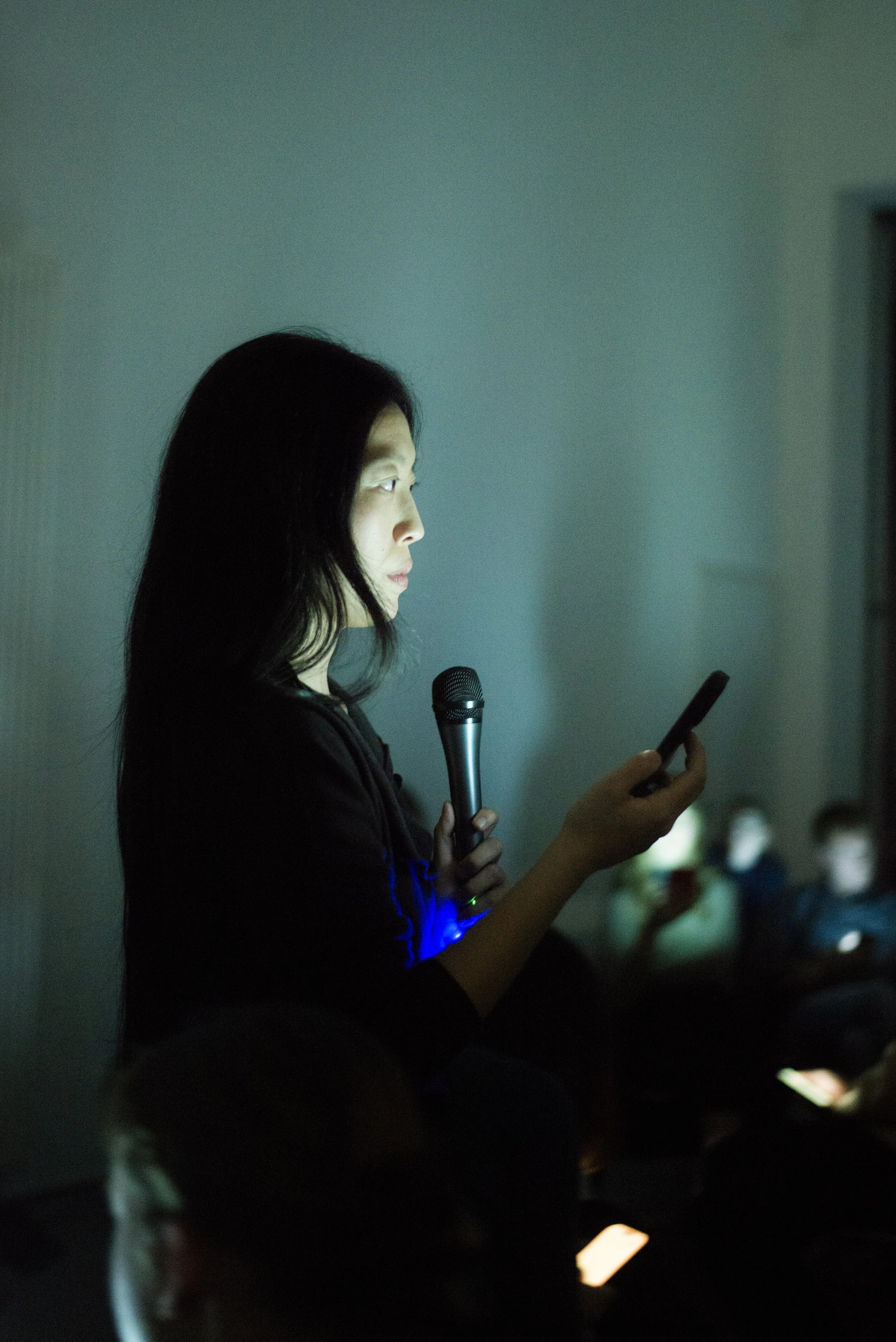
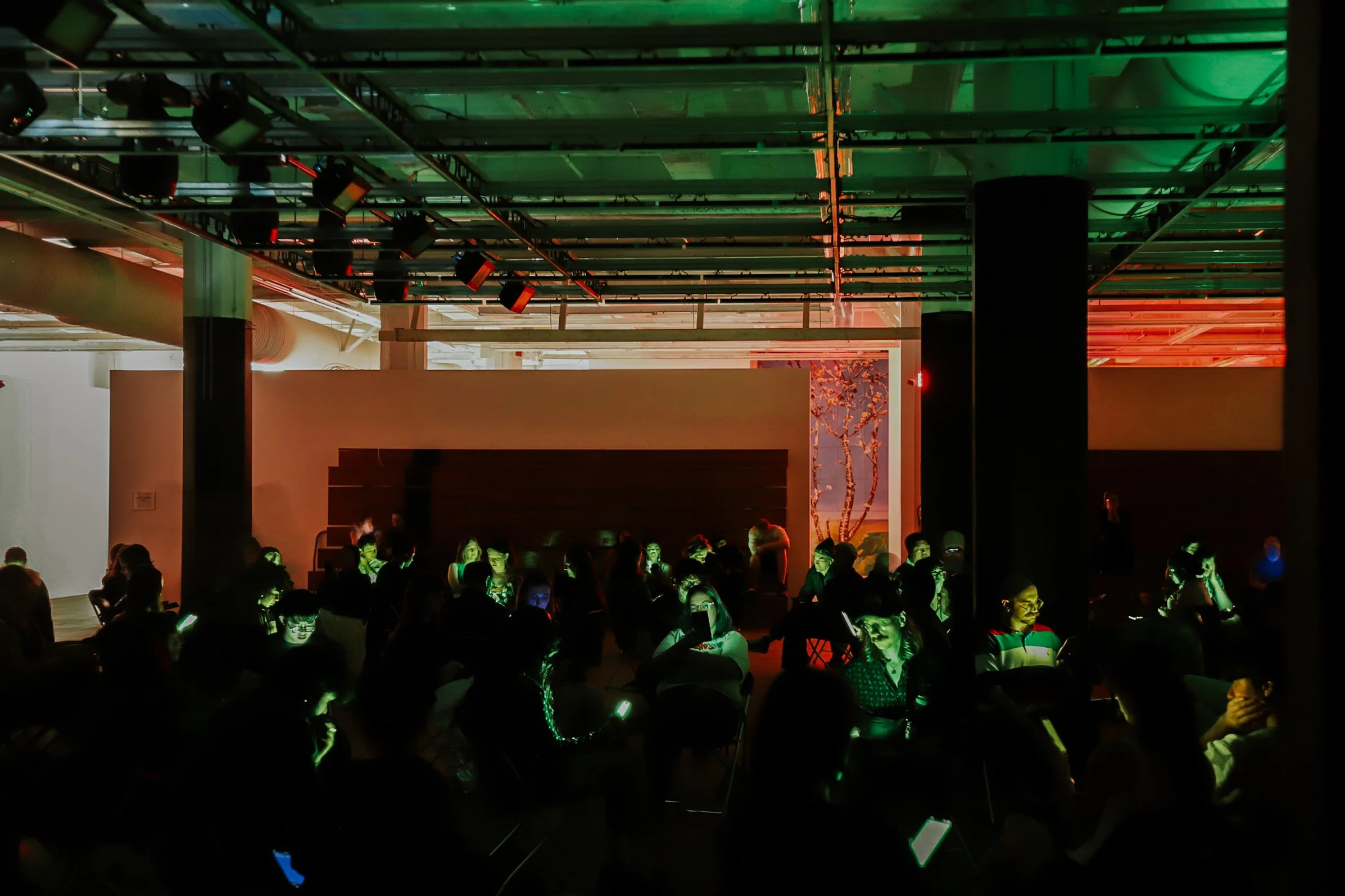
EH: Something that’s really stood out to me when reading and engaging with your work is how a lot of these histories have existed in a vacuum of shame and discretion around sex and sexuality online. Even looking at the censorship your performance has experienced through Meta’s regulations on sexual language and imagery – I’m not sure if this is something you expected to happen – but does it make the performance feel like it comes full circle, in a way.
MS: Yeah, exactly. It almost has a form of mischief, or magic, where people are expecting a certain thing and then you twist it. There’s a reveal that's unexpected. This strategy is often used in performance or narrative because it creates the shock and awe that, perhaps, helps something stick more than if everything was by the book.
EH: I was speaking with a friend who works in cybersecurity, who recently read Sadie Plant’s book and learnt so much about the alternative histories of the internet and the breakthroughs that were built on the efforts of women. For all the years he’d studied in the space, he couldn’t believe he had never been taught this information.
MS: Only the other day, I learnt that Margaret Hamilton, a NASA engineer, is the woman who coined the term software engineering. That has never come up in the years that I’ve been researching in this space, even when I was creating Cyberfeminist Index. When she coined this term, her colleagues at NASA poked a lot of fun at her because, at that time, engineering was seen as a very physical, hardware-focused craft. And now it makes up an entire engineering industry.
EH: That example reminds me of a podcast episode where you spoke to ‘inundation [being a] form of erasure’ – the amount of information that is buried at the result of the overproduction of content online. What was your reaction to finding out about Hamilton?
MS: I think we are living in a time of information overload, and people are trying to make sense of that. I often hear of a different, but similar, concern, which is that we are consuming too much. We are losing our memory. We are losing our attention spans. And I do think that’s true but, to me, it’s less about the speed of consumption and more so about developing a system of recall.
I also consume content rather quickly, but most of the things I consume quickly and passively escape me. There are active systems of consumption, but I don’t think bookmarking, for example, is enough. Using context cues, citation practice, creating an information or metadata trail to allow you to trace back to the thing and why it’s relevant, are all things we may need to learn in this time of information overload. Then it feels adaptive to the time, rather than nostalgic about a strategy from a previous era.
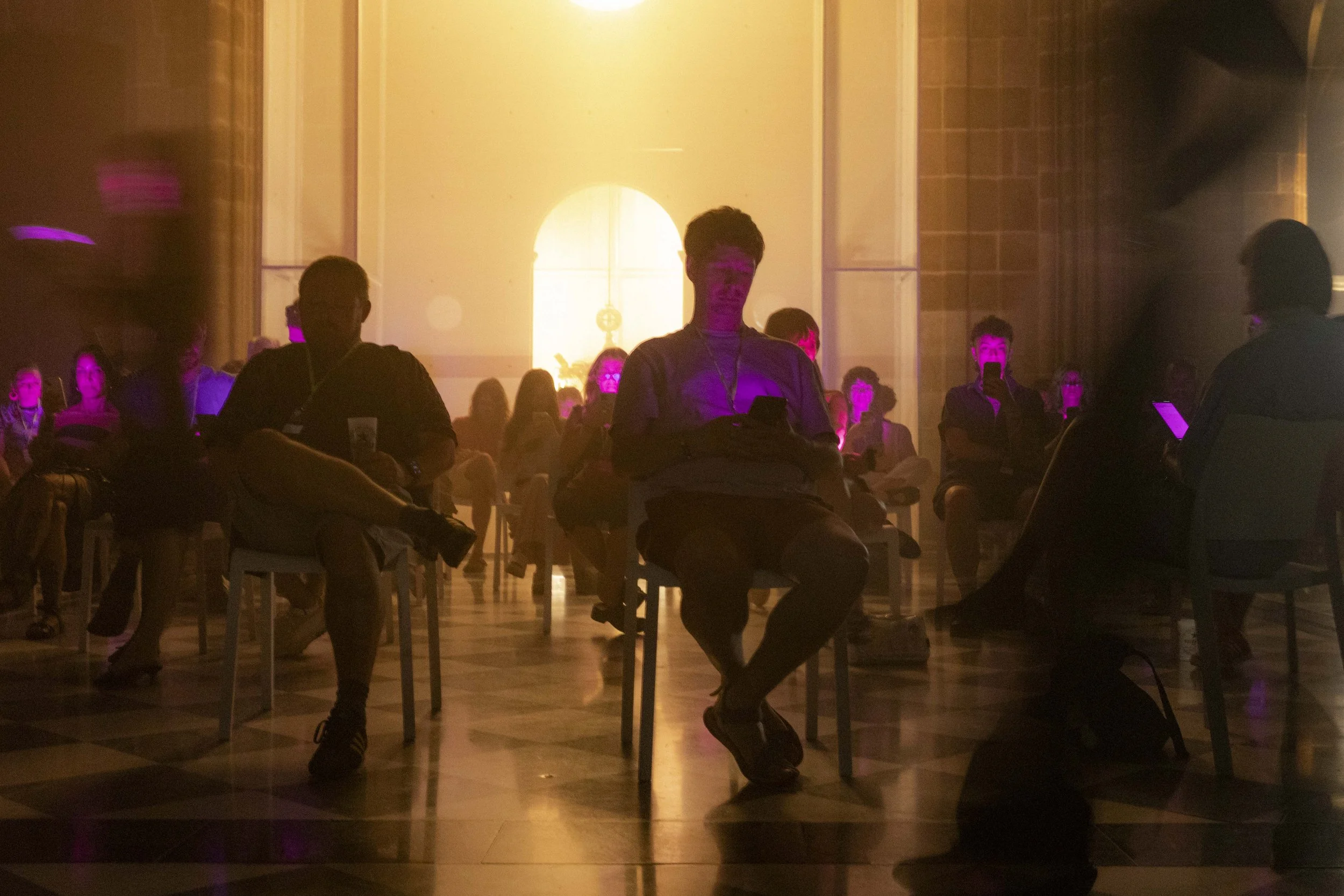
Sónar+D performance of A SEXUAL HISTORY OF THE INTERNET in Barcelona on June 18, 2026. Photo by Cecilia Diaz Betz, courtesy Sónar+D.
EH: It does seem like people are quite disenfranchised by the internet at the moment, and the knee-jerk reaction is to compare the past, versus look to the future.
MS: The internet isn’t bad, it’s the ownership of the internet that has caused this disdain and anxiety that we are witnessing. This is because of the commodification of the internet. The internet as a tool itself is actually, still, pretty incredible.
If anything, it’s allowed for a lot of things that were promised or dreamed about in the early 90s. It did create this global connectivity. But I think the problem is, once it became a for-profit model or we saw the increase in technology corporations and platform oligopolies that a small group of companies were using to run online exchange, that is when people became disillusioned. But, if we think about other forms of decentralised networks or etcetera, that’s still the internet, it's just not controlled by a corporation. I feel that this is the direction that people will be moving.
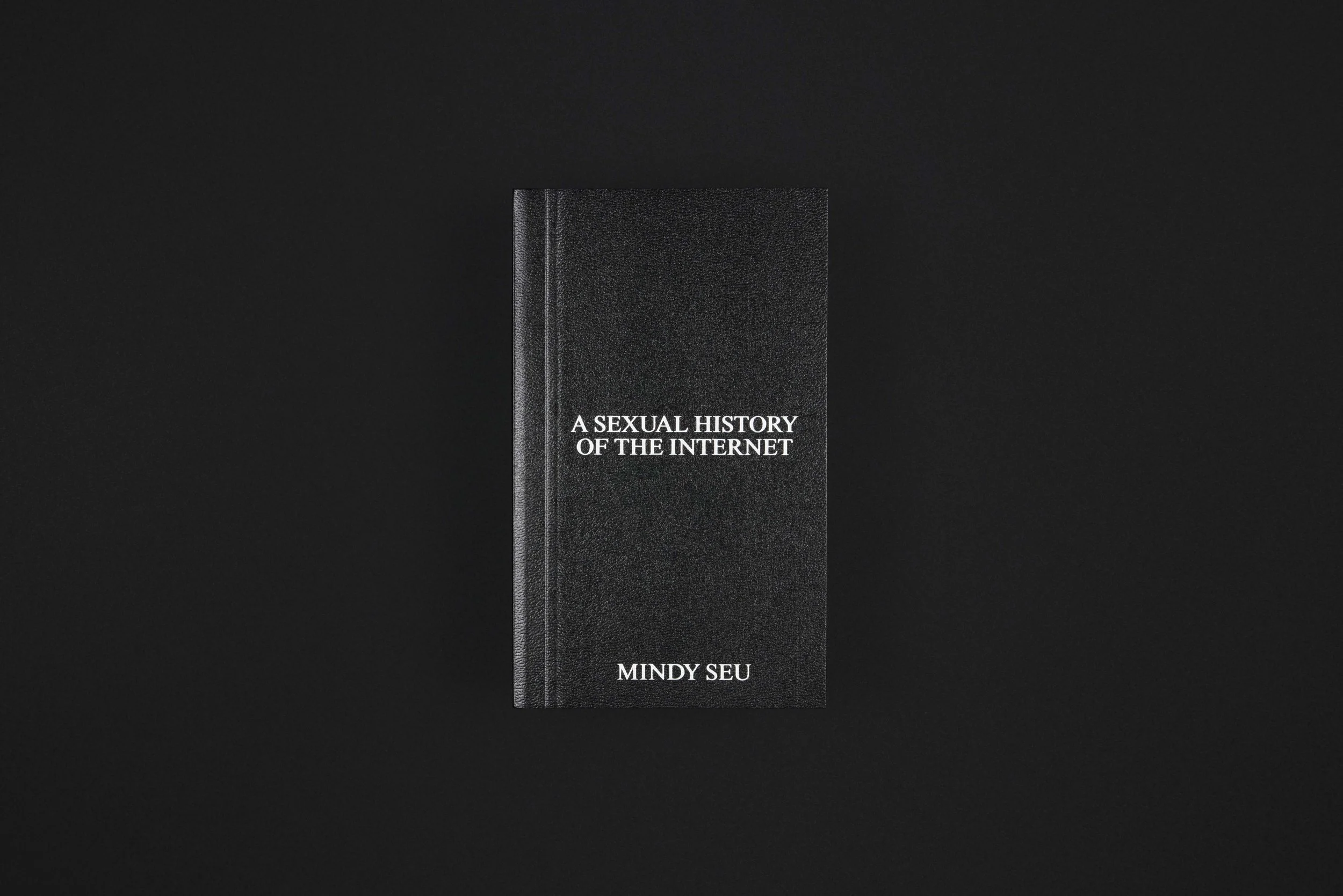
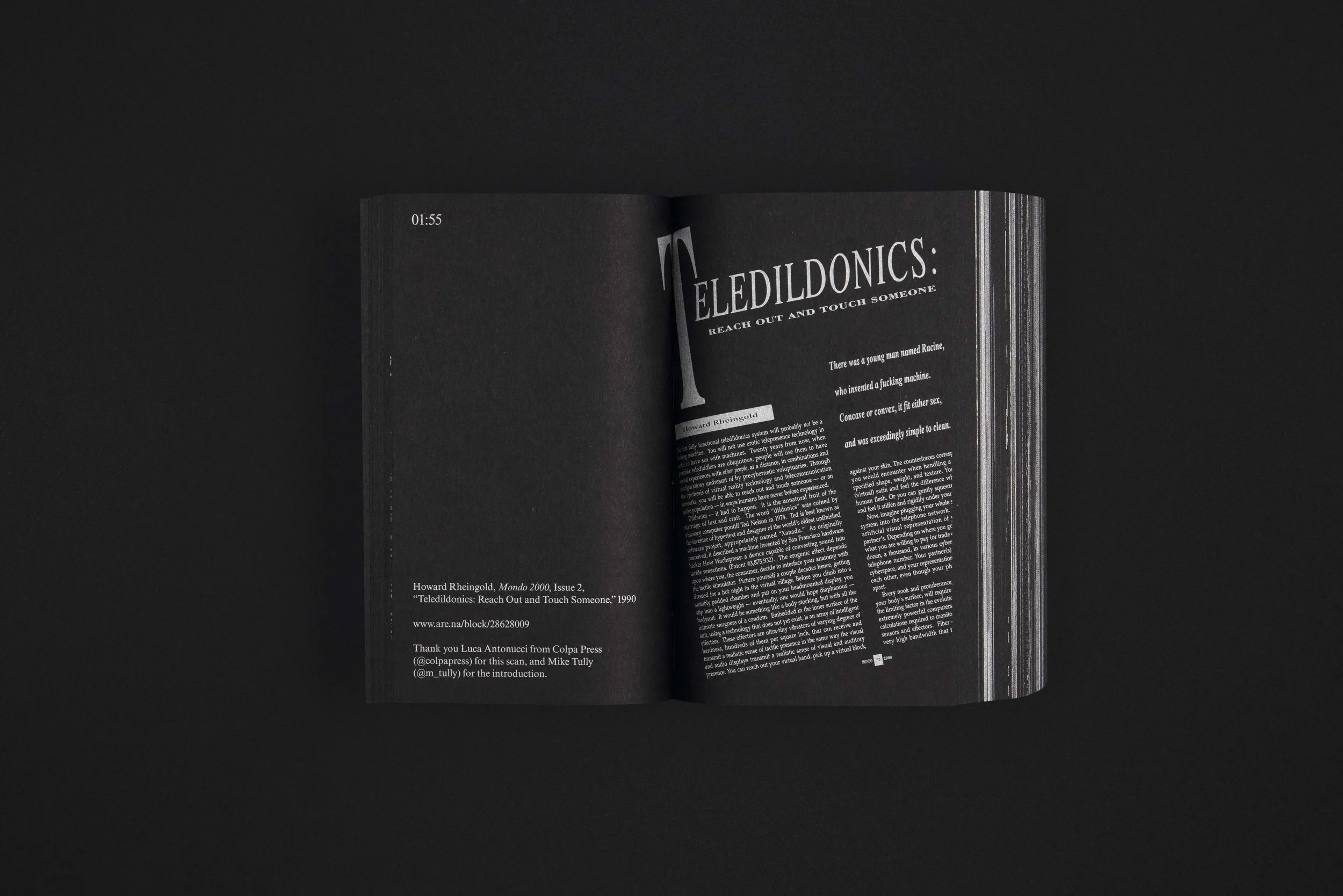
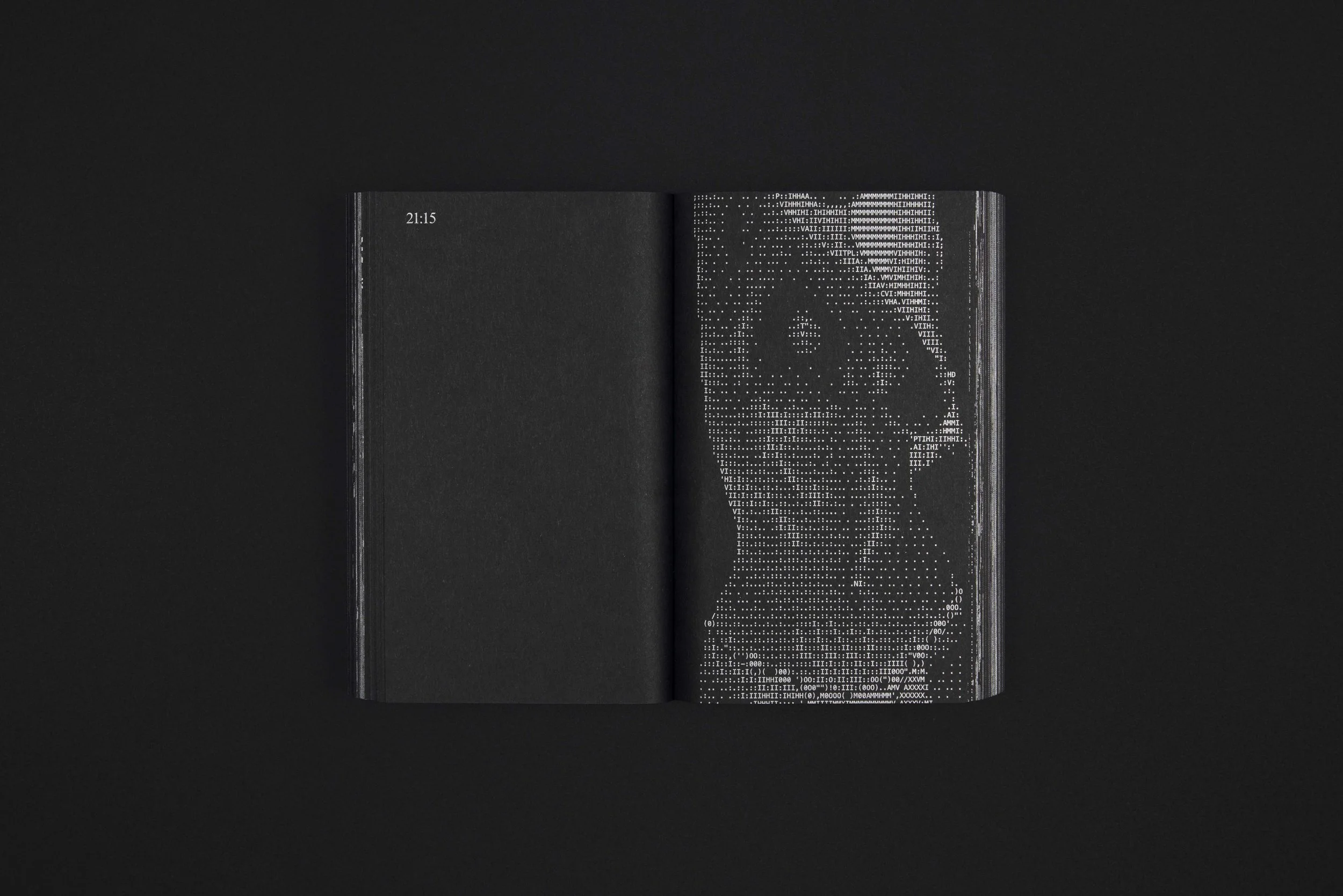
EH: Coming back to our discussion on format in the beginning, you mentioned working with Laura Coombs on both A Sexual History of the Internet and Cyberfeminist Index. I’ve seen you both speak to the references for this book, and how you’d hoped for it to take a creative form – the small shape referencing the size of a phone, pages with timecodes that reference the performance timestamps, references to a Bible or a ‘little black book’. What unique qualities do you think this experimentation has brought to the publication and the ways readers may engage with it?
MS: So my background is as a designer. I truly believe there are multiple forms of language, and that we very much prioritise textual language, because we are all very visual people. The visual aesthetic of the book is a transmission or a signal.
Then, similarly, the materiality reinforces that even more, because it feels like a very sensual object. This is why I believe it moves more into the realm of an artist’s book, rather than an essay anthology. The script is pretty short, you can read it in 45 minutes, but the object makes reference to a lot of other context cues that you wouldn’t be able to read about textually.
EH: It almost explores the middle ground, between a physical object which is reflective of the way a digital object operates.
MS: Exactly. The performance script on your iPhone – on Instagram – is very colourful. There’s lots of video, there’s lots of sounds. Obviously, it’s using RBG and has a lot of fluorescent colours. That’s very hard to translate to a book. So, if anything, the book acts as a flipbook.
We were initially thinking of using Pantone swatches, but we were trying to keep the price of the book very low. So we instead decided to make it one colour. Silver. And to only have one type of paper. Black. So it becomes this very dark, shimmery object, and you almost have to move it to see the text. This felt more reflective of a screen's quality than if we had printed in four colour fluorescent, for example
EH: In regard to your upcoming performance in Melbourne, I saw in a previous interview that you spoke to how each performance ‘mirrors the culture and infrastructure of the city they are in’. What benefits and challenges does this bring to the performance's participatory approach?
MS: Regardless of participation, performance is very audience specific because the space and the audience completely change the energy of the room. That energy is a context that the performance will live in, and either try to move towards or reclaim in some way. If it feels stiff, you almost feel like you need to perform a bit more. Whereas, if the context in the crowd is wild, then you’re almost along for the ride as the performer.
As someone who’s developing the script or container for a performance, you’re basically creating a set of scaffolding, but all of the context around it you have to leave open to improvisation, which I think is really beautiful and makes every performance feel very, very different.
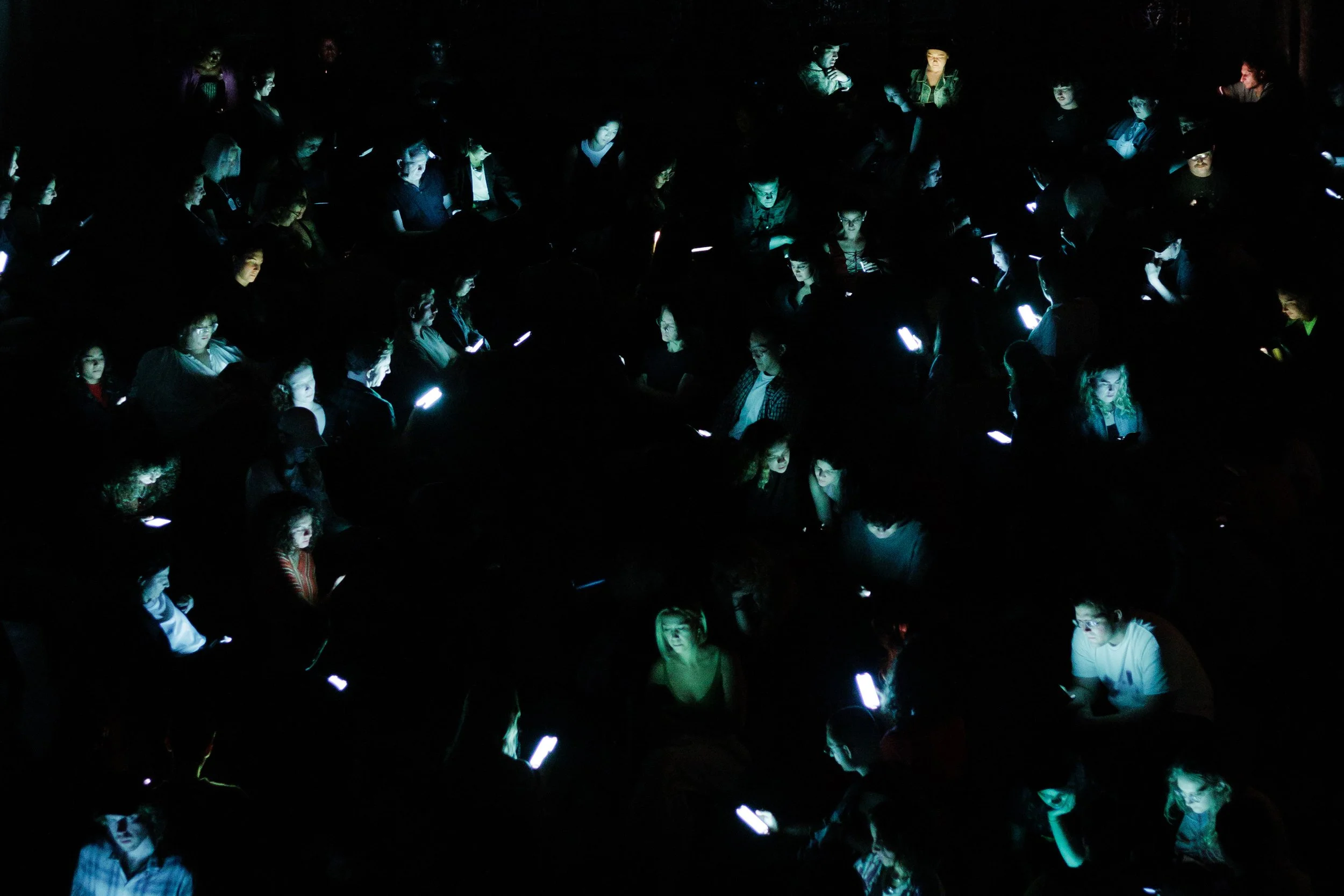
Pioneer Works performance of A SEXUAL HISTORY OF THE INTERNET on September 20, 2025. Photo by Max Lakner, courtesy Pioneer Works.
EH: Well, you’ve immortalised the script in the book. So being able to follow a script, which is very structured in function, but also maintaining room to be adaptive to the space and audience, it keeps that element of surprise intact. Almost a ‘you had to be there’ moment.
MS: Exactly. There is actually this great essay called ‘You Had To Be There’, which talks about how ephemeral performance is, how incredibly difficult it is to document and how even in documentation, it is hard to capture the tenor or energy of the room.
EH: Do you have any preconceptions of how a Melbourne audience may engage with the performance?
MS: Generally the culture is maybe more soft spoken, but very, very kind. So, if there’s enough people, it becomes this critical mass of participation. I don’t think it’s as shy as other cities we’ve visited, nor as rowdy. Overall, I think it will be a good blend.
A Sexual History of the Internet takes place in Melbourne on Tuesday 25 August as part of this year’s Now or Never festival.