
The Enduring Influence of Art at Dior
Words by Lynn Mathuthu
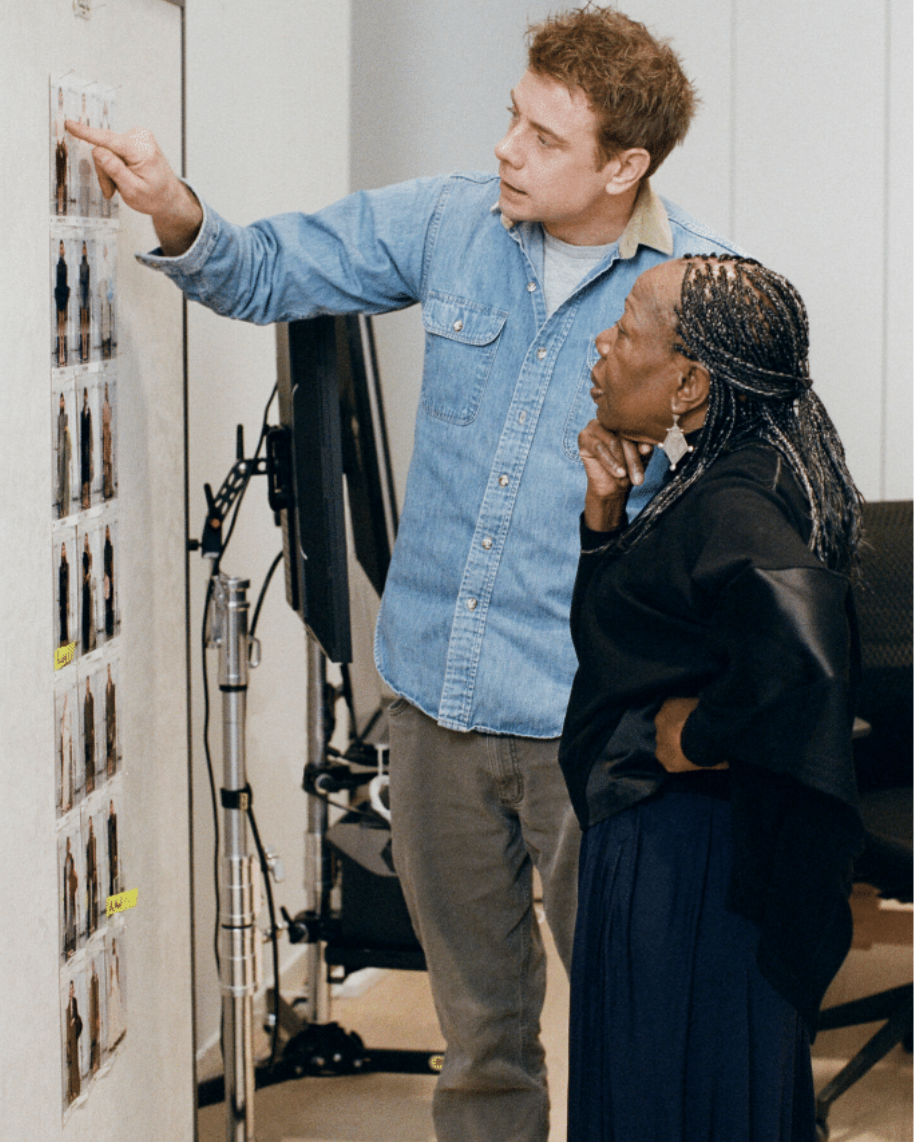
Jonathan Anderson and artist Magdalene Odundo. Courtesy Dior.
There are moments when fashion seems to pause. A year ago was one of them. As creative directors moved between houses in rapid succession, the industry entered a period defined as much by anticipation as uncertainty. At Dior, Jonathan Anderson's appointment marked another beginning, but also another opportunity to consider how a house with such a storied history might continue to evolve.
Artists have occupied a central place within Anderson’s collections, not as points of reference or decorative accompaniment, but as collaborators whose practices broaden the possibilities of fashion itself.
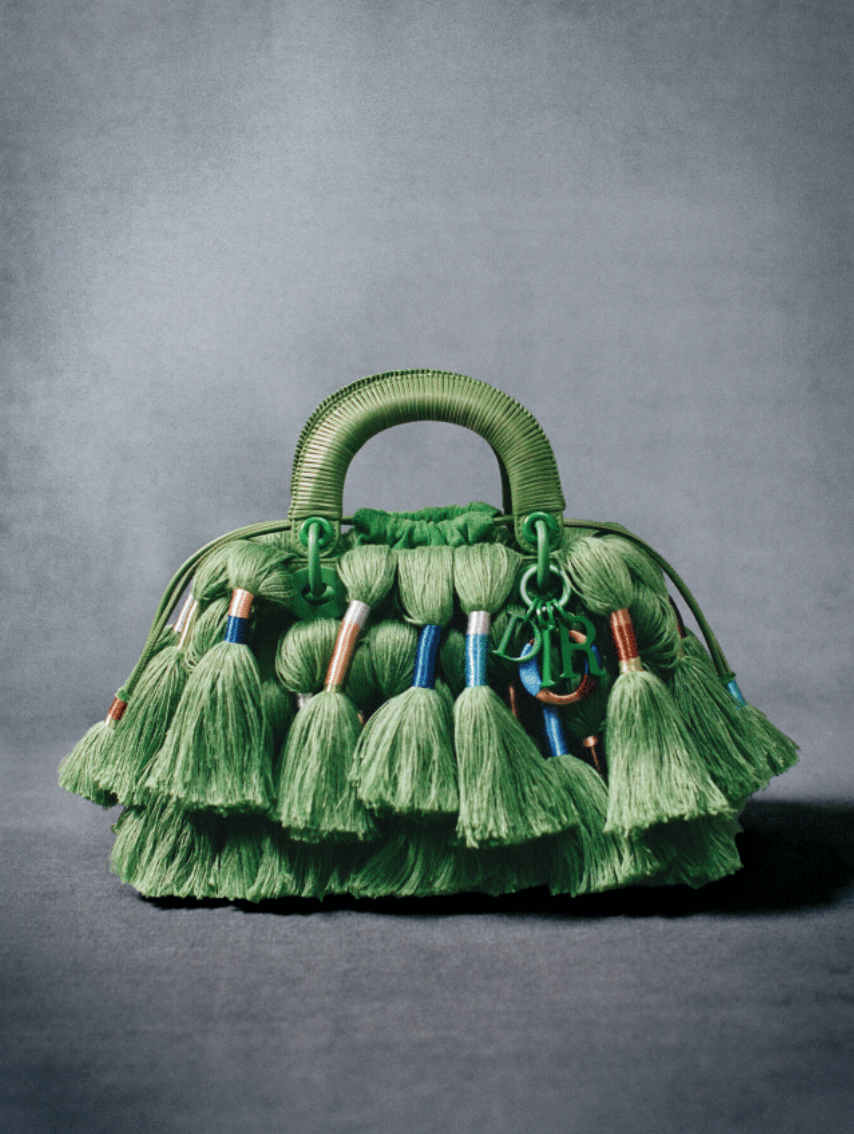
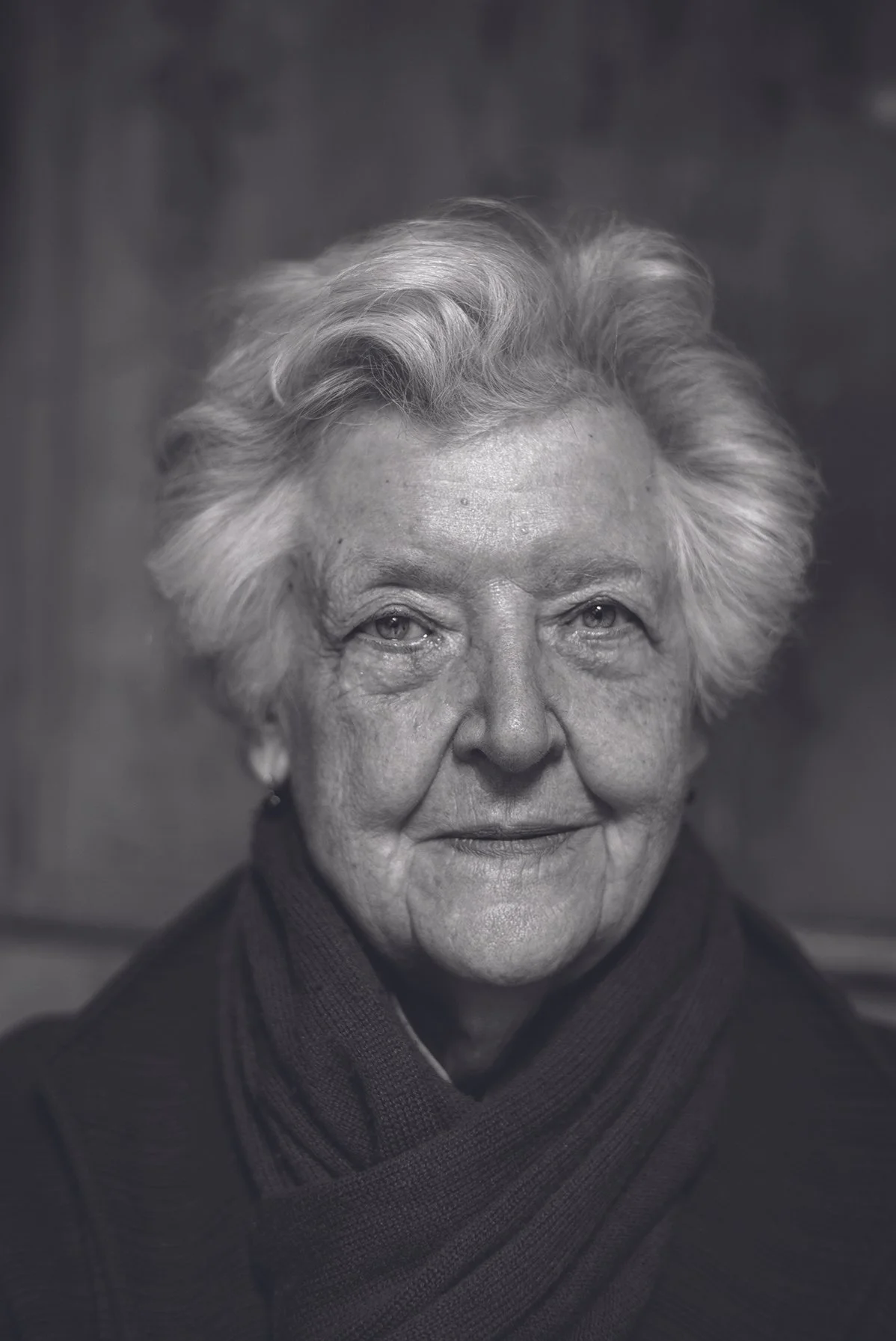
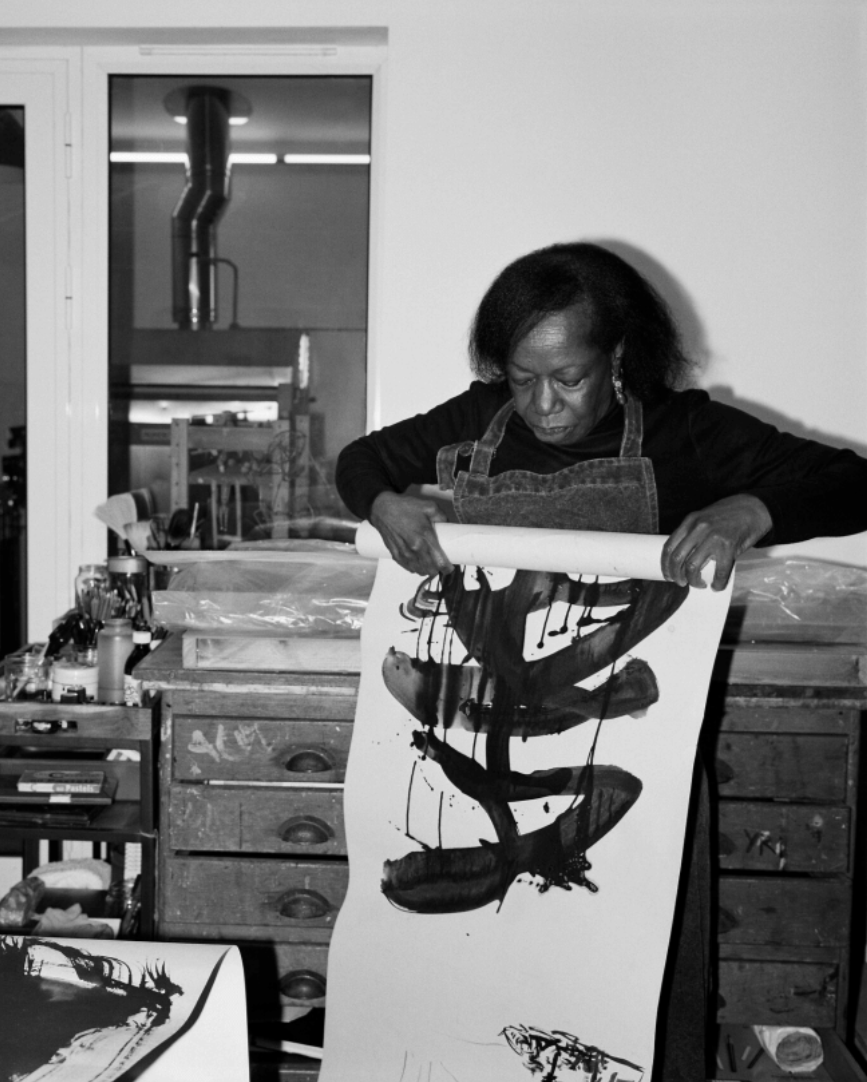
Across eight runway presentations, culminating in his second Haute Couture collection in Paris just days ago, these exchanges and conversations have continued to unfold. The woven abstractions of fibre artist Sheila Hicks, whose work appeared in A-M Journal's inaugural issue, the sculptural language of Lynda Benglis, the quiet observations of Ed Ruscha and the ceramic forms and movements of Magdalene Odundo each offer a different way of thinking about material, gesture and making. Their presence reveals an approach to fashion that extends beyond the garment, locating it within a wider cultural conversation where art, craft and design remain in constant dialogue.
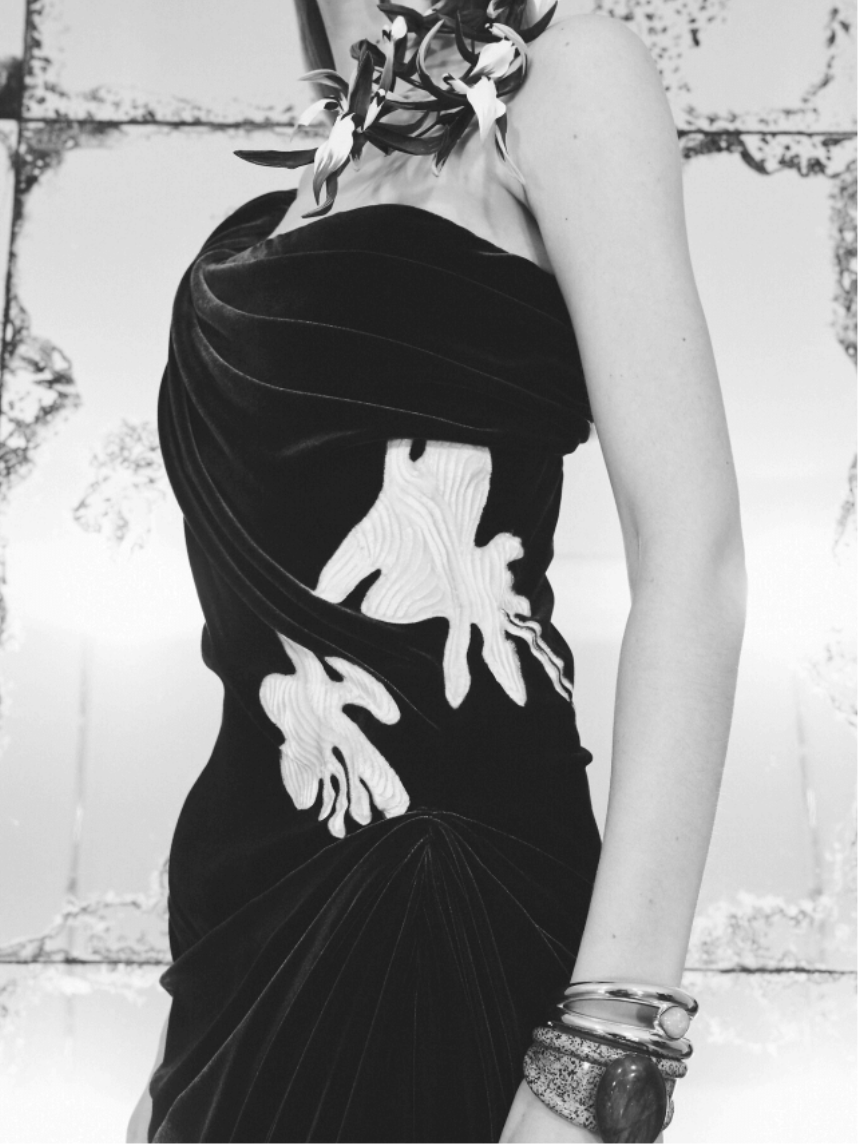
Anderson’s debut arrived with an awareness of what came before, and with his artistic inspirations watching on. The imprint of Monsieur Dior remained present, as did the contributions of John Galliano, Raf Simons, Maria Grazia Chiuri and Kim Jones. Rather than positioning himself in opposition to those histories, Anderson allowed them to coexist. Familiar codes resurfaced, yet they did so with a different rhythm, one that felt less concerned with revisiting the archive than with asking what it might become.
Anderson's first collections for Dior centre the artists and collaborators who have shaped them, revealing a practice built not on singular authorship, but on the possibilities that emerge when creative disciplines meet.