
Staying Sharp: Davie Paterson’s ‘A Stable for Horses’
Interview by Lila Daly-Hyatt
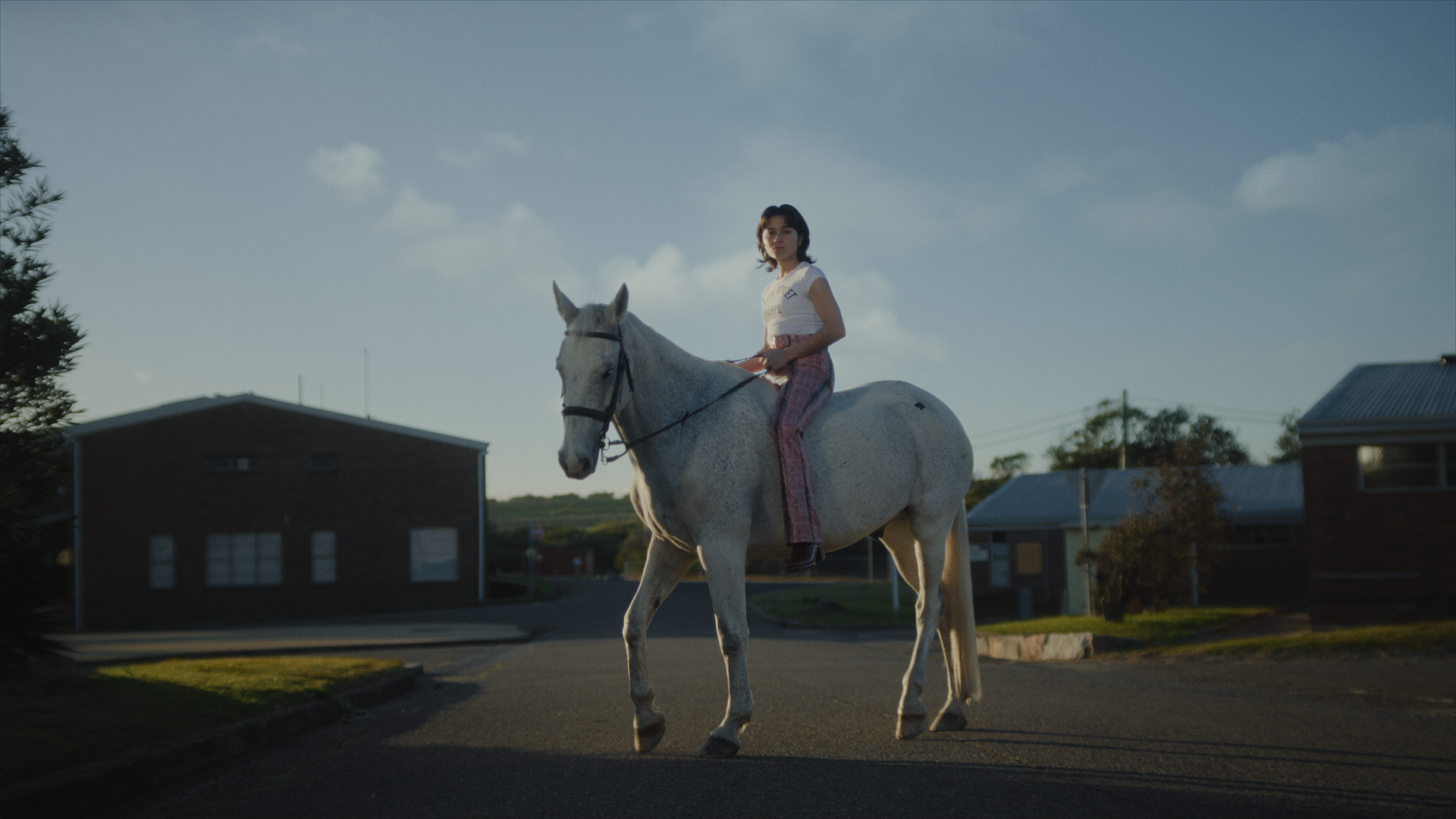
Unveiled on the international stage at the Cannes Marché du Film before returning home for its domestic debut at the St Kilda Film Festival, director Davie Paterson’s short film A Stable for Horses captures the softer underbelly of Australia’s suburban gang culture.
As young boy Remi prepares to make a decision which could change the course of his life, his uncle narrates the story of his father, a member of the Smith Street Sharps. A commonly overlooked yet uniquely Australian youth culture and working-class movement, often manifesting in hyper-local suburban gangs, the Sharpies emerged from the inner suburbs of 1960s and 70s Melbourne. Described by director Davie Paterson as an Australian version of Trainspotting, A Stable for Horses looks beyond the Sharpies’ choppy fringes, tight-fitting jeans and labels of antisocial behaviour to explore the lives and relationships which lay beneath. For Paterson, whose own uncles were Sharpies, the film is not only a preservation of the cultural memory of a little-known Australian subculture, but a gritty speculation on family history and the stories we inherit — and what we choose to do with them.
A Stable for Horses softens the hard edges and rough texture of the Sharps through the lens of one family’s memories, while grappling with larger questions of inheritance and identity: how do we keep painful memories alive? Should we challenge or embrace a complex lineage? What is a ‘good life’, and how might we achieve one in times of crisis?
A-M Journal speaks with writer and director Davie Paterson about cultural mythology, family memory, and plans to expand A Stable for Horses into a feature film.
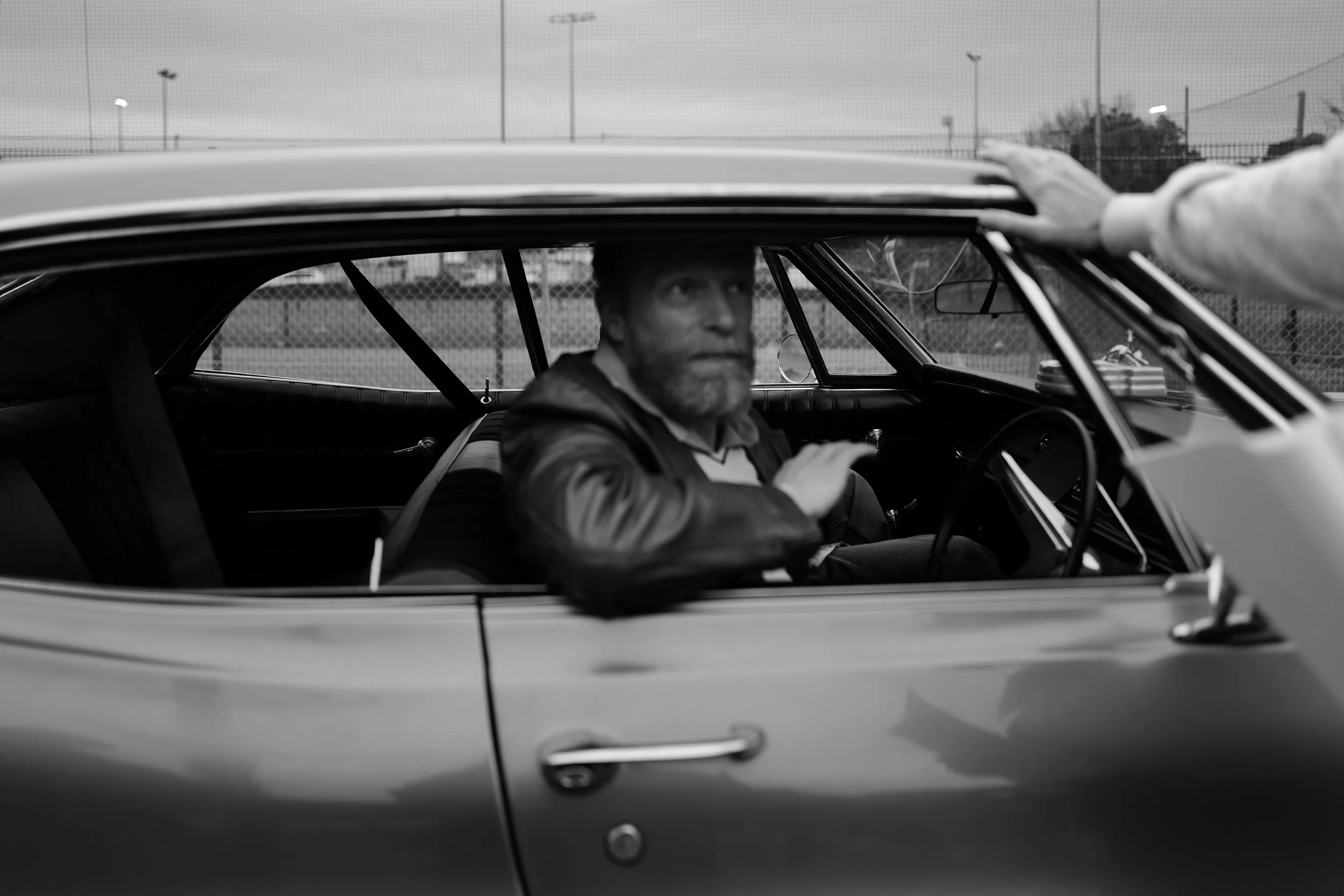
LILA DALY-HYATT: Why did you want to make this film, and why now? Could you tell us a bit about your creative process as a filmmaker?
DAVIE PATERSON: I think I was nine when I first saw Trainspotting and it really ignited something in me – I want us to have the Australian version of that film. It made such an impression on me, creatively and culturally, being half a Scot myself. I don’t think I’d seen surrealism on screen before like that, never mind the rawness of it. Later on, I saw films like La Haine and Amores Perros, and the idea really started forming. It’s evolved over the years into a Sharpie-led story, following the theme there of great ensembles; my mum is one of nine and growing up, I heard a lot of stories about the Sharps and about the standover men through my uncles; that whole time (the 60s and 70s) is such a cultural renaissance. The thing that really strikes me about subcultures like this is they’re constantly shifting and evolving and coming back around – adults feared the Sharps and the idea of youthful rebellion, same as we do now. It was such a tumultuous time, politically, socially, with the Vietnam war, the Civil Rights Movement, and it’s all cause and effect – what are your chances of a good life when you can’t afford a pint of milk? When you’re low on hope and dough, all you have is your community. I see us in a similar spot now. I think young folks will relate.
In this short, we’re talking about memory; legends and the lines blurred between the myth and the truth of it, and creatively, I wanted to instil a sense of nostalgia through the vignettes using slow, sweeping camera movement; these people are almost gone now and that’s a sad thing. They deserve to be remembered – but in what light? You have to let the audience decide where the romance of it all ends.
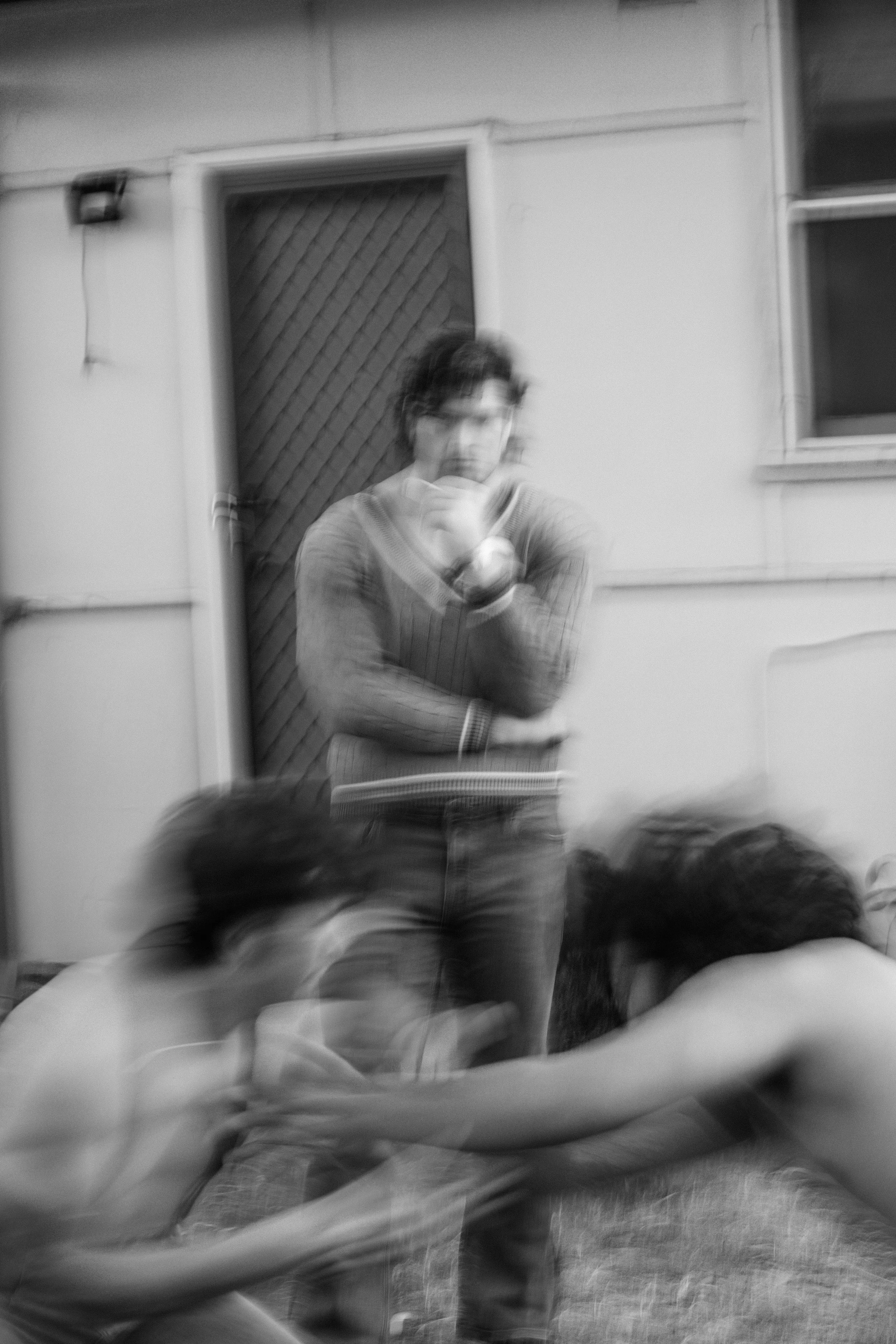
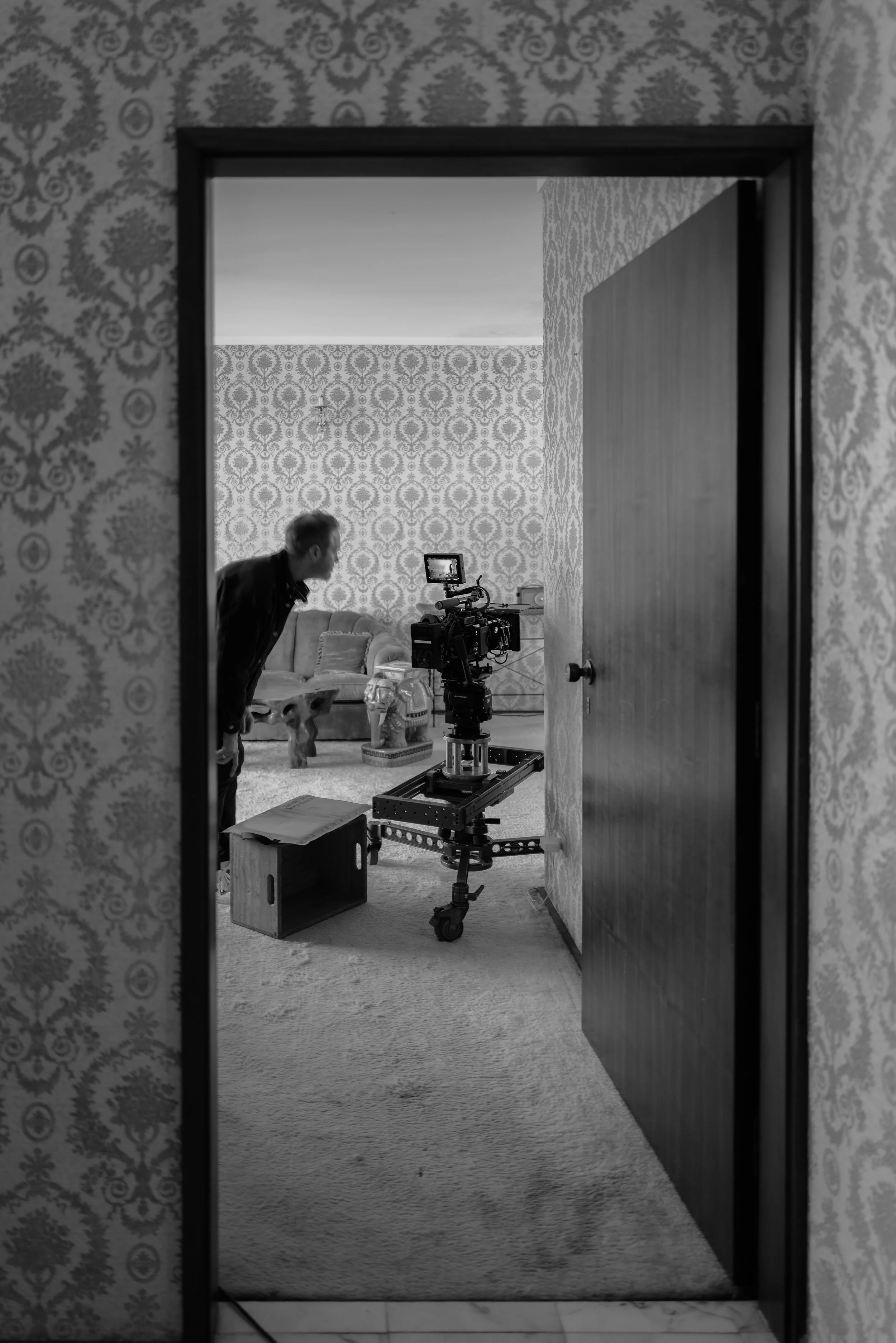
LDH: A Stable for Horses just screened at the St Kilda Film Festival, and made its Cannes debut at the 2026 Marché du Film — congratulations! Was it important for you to share this story in the city from which it emerges? I’m curious if you were thinking about how international audiences might engage with the film’s portrayal of Australian gang culture, particularly given its local and historical nuances.
DP: Cannes was an incredible whirlwind and we were very excited to bring the film to St Kilda – it’s all a long-shot, but in putting our festival plan together, we felt this story would resonate with the St Kilda audience – with the sub-culture’s deep Melbourne roots. When we pitch the film (and the feature it will lead to) internationally, we’ve been using Trainspotting as an example of a very unconventional location-specific story that was received incredibly well overseas. That film made such a splash around the world and I think really started its own genre of films, and that’s the aim here.
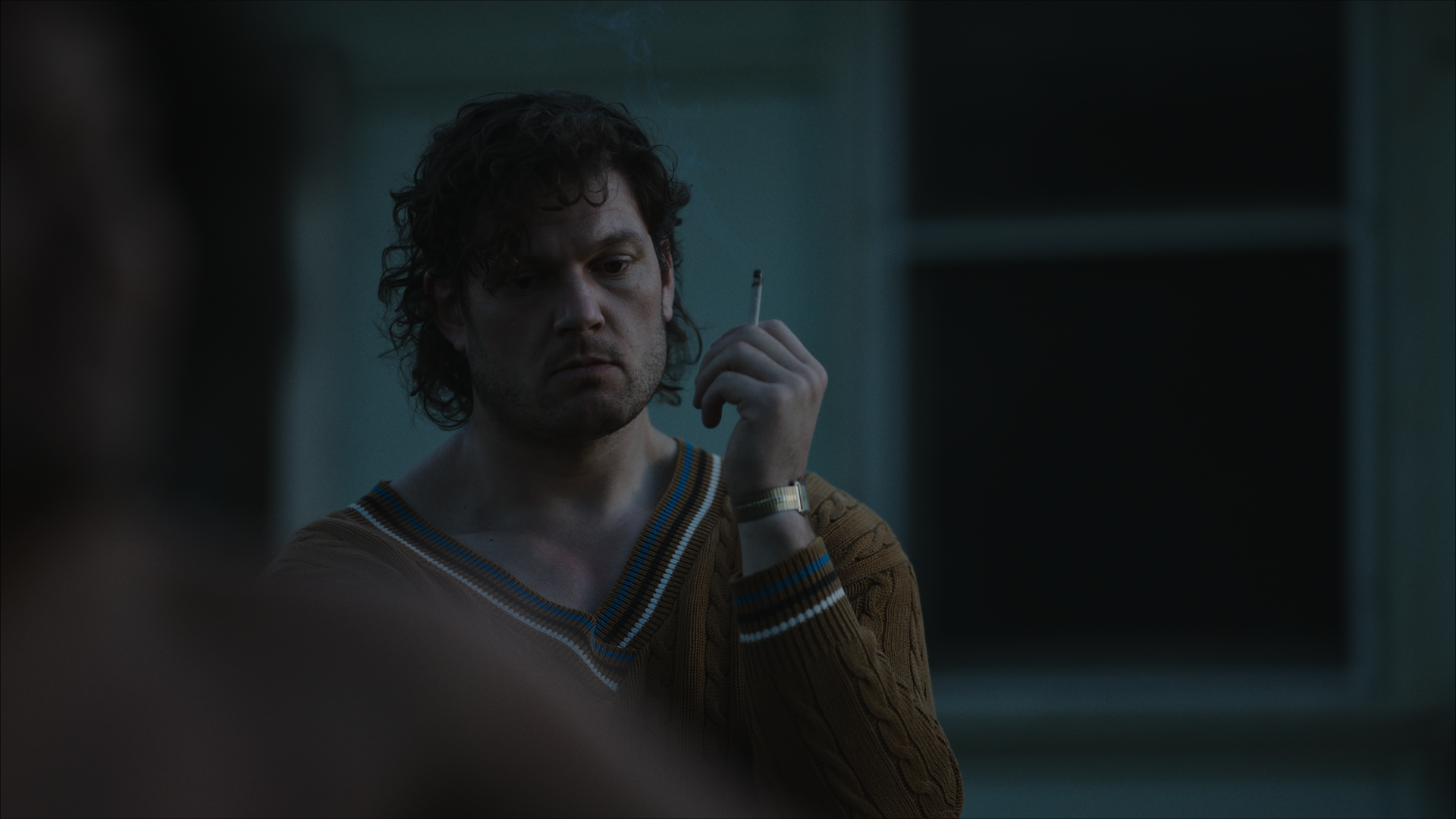
LDH: The film captures the intermingling of love, violence, tragedy and care — there’s a real tenderness and nostalgia here, but also a touch of humour, too. How did you try to strike this balance, and represent this cinematographically?
DP: To me, humour is a big part of what makes crime as a genre work – the kind of characters we’re portraying here are the guys throwing the kids in the pool, turning snags on a barbeque – and then the next day, robbing the SP bookies at gunpoint, or casing a place. And the reality is, these people are funny – they’ve got great comedy bones and the art of telling a good story is like a currency in their world. But I think you leave that in the writing, give it to the actors, and cinematically, I wanted to be romantic with our vignettes. I think together, that sets the tone and (hopefully) strikes the balance between the two.
LDH: Why did you choose to frame the film through the uncle's voiceover, narrated by actor Jeremy Waters, and this series of smaller vignettes?
DP: I think a lot of people – including me, previously – have the wrong idea about what a short film is and how to best execute it. They are not short ‘feature’ films and that’s sometimes what you see. We don’t have the time in a short film to have the audience fall in love with our characters, or to really barrack for them. I think you really need to leave the audience with an unanswered question; get in and get out. Because this is also a proof of concept for a feature, the vignettes in the middle of the piece almost act as a teaser for the feature film, so it’s a bit cheeky in that regard. Jeremy has this beautiful grit that I wanted for Bucky’s narration. To him, he’s recounting Homer’s Odyssey – the telling of a legend.
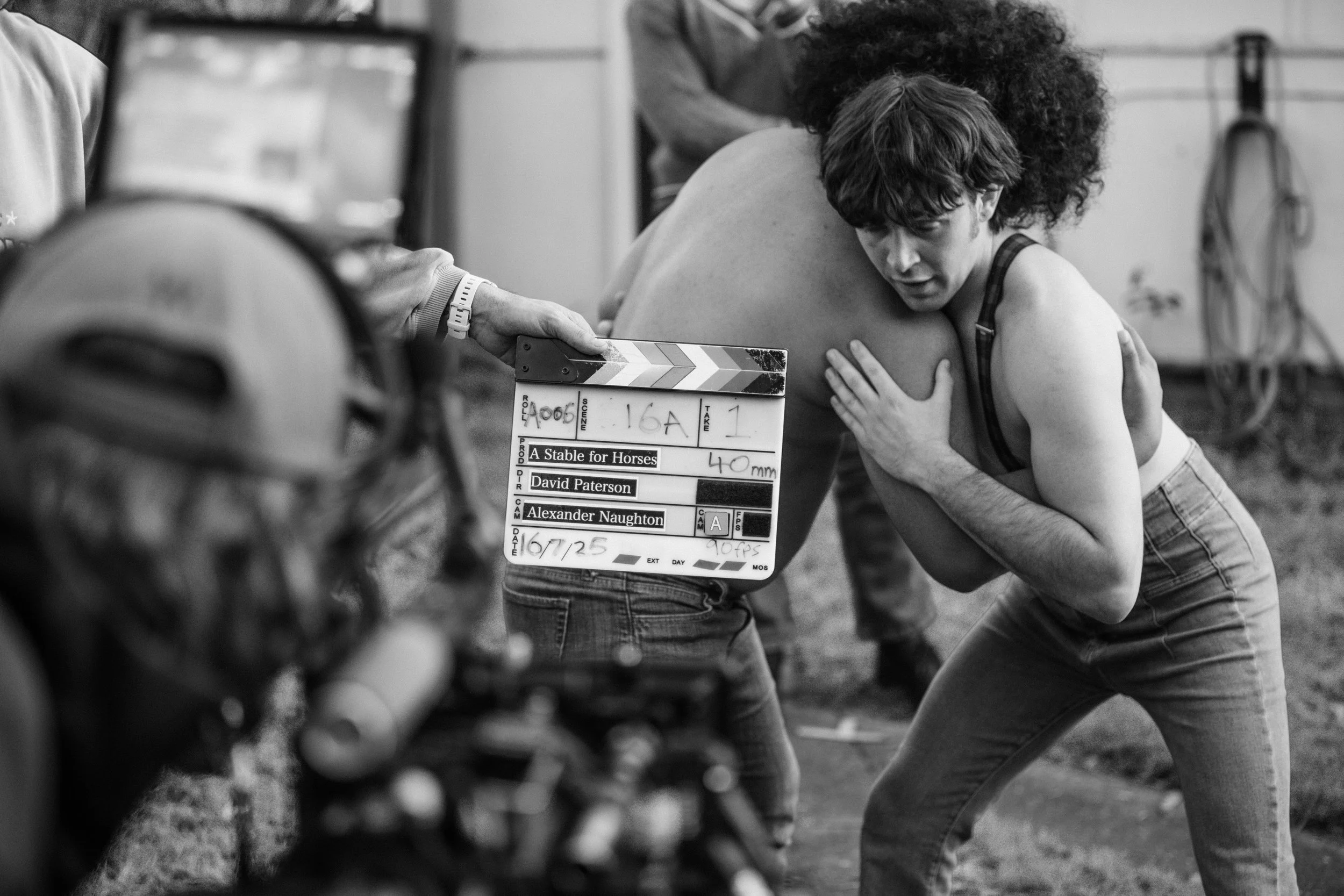
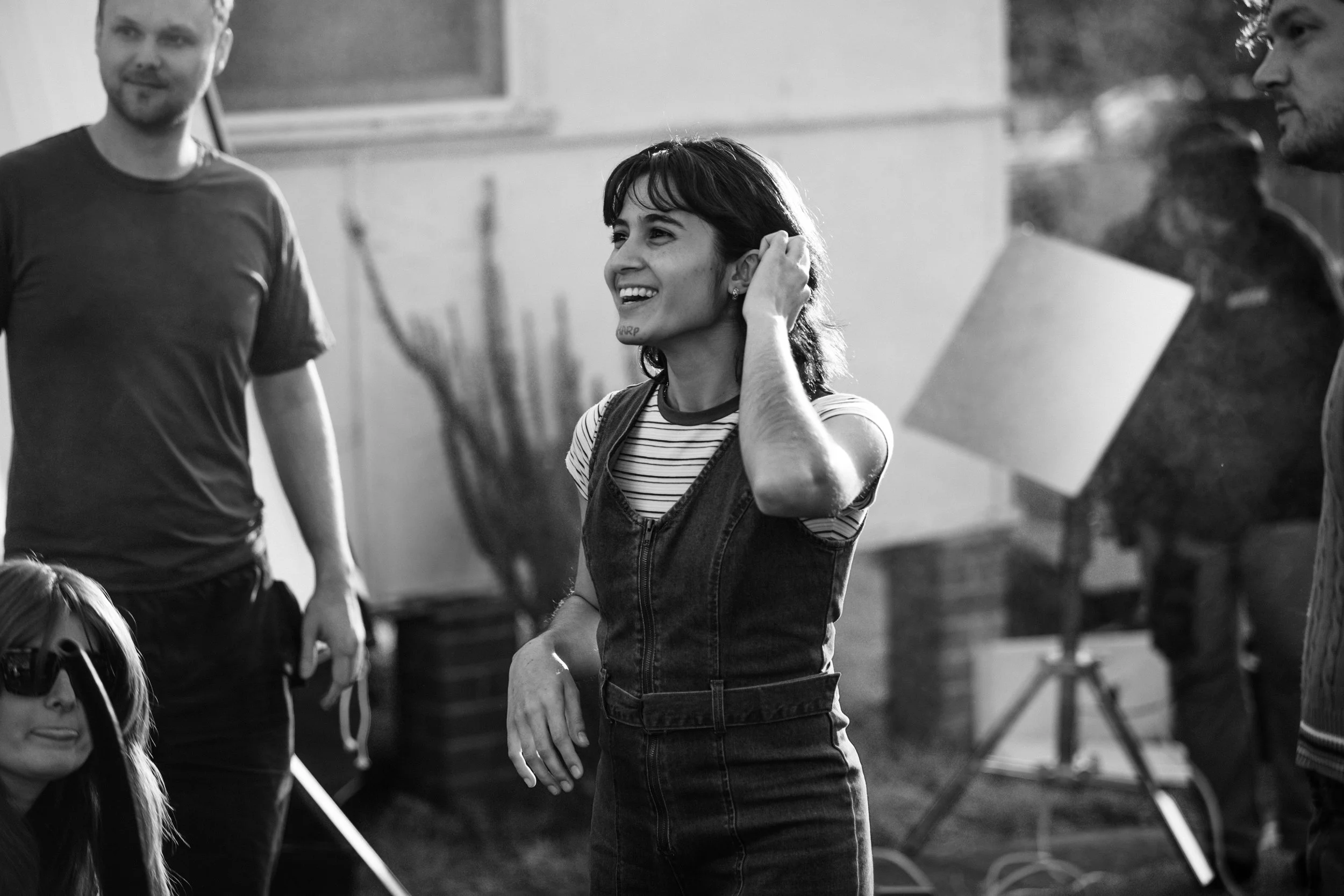
LDH: You’re planning to develop A Stable for Horses into a feature film. What are you most excited for about this process?
DP: I tell you, this is the film I was born to make, so there’s a sense of fulfilment I haven’t had before ‘Horses, writing on other peoples’ films. To me, I get to really have fun here – take all the ideas I’ve been forming about it every time it’s come out of the drawer, and empty them out on the page – turn that into what I think will be an exciting, beautiful, iconic Australian film we’re missing from our catalogue. It must be said, too – that this film is based in Melbourne; you can’t make a film about the Sharpies without setting it there.
LDH: How did you approach the research process for the film? Were you mainly drawing on your own personal and family histories, or did broader oral histories and other sources play a role in shaping the world of the film?
DP: Those stories I came up on are always going to be a part of it, even in the knitting of scenes or a certain phrasing in the narration, a beat about a robbery gone wrong. There’s also an ex-Melbourne Sharpie called Julie Mac who’s written books on the Sharps – RAGE is one of them, TAILS is another. I urge anyone to seek them out if this stuff piques your interest.
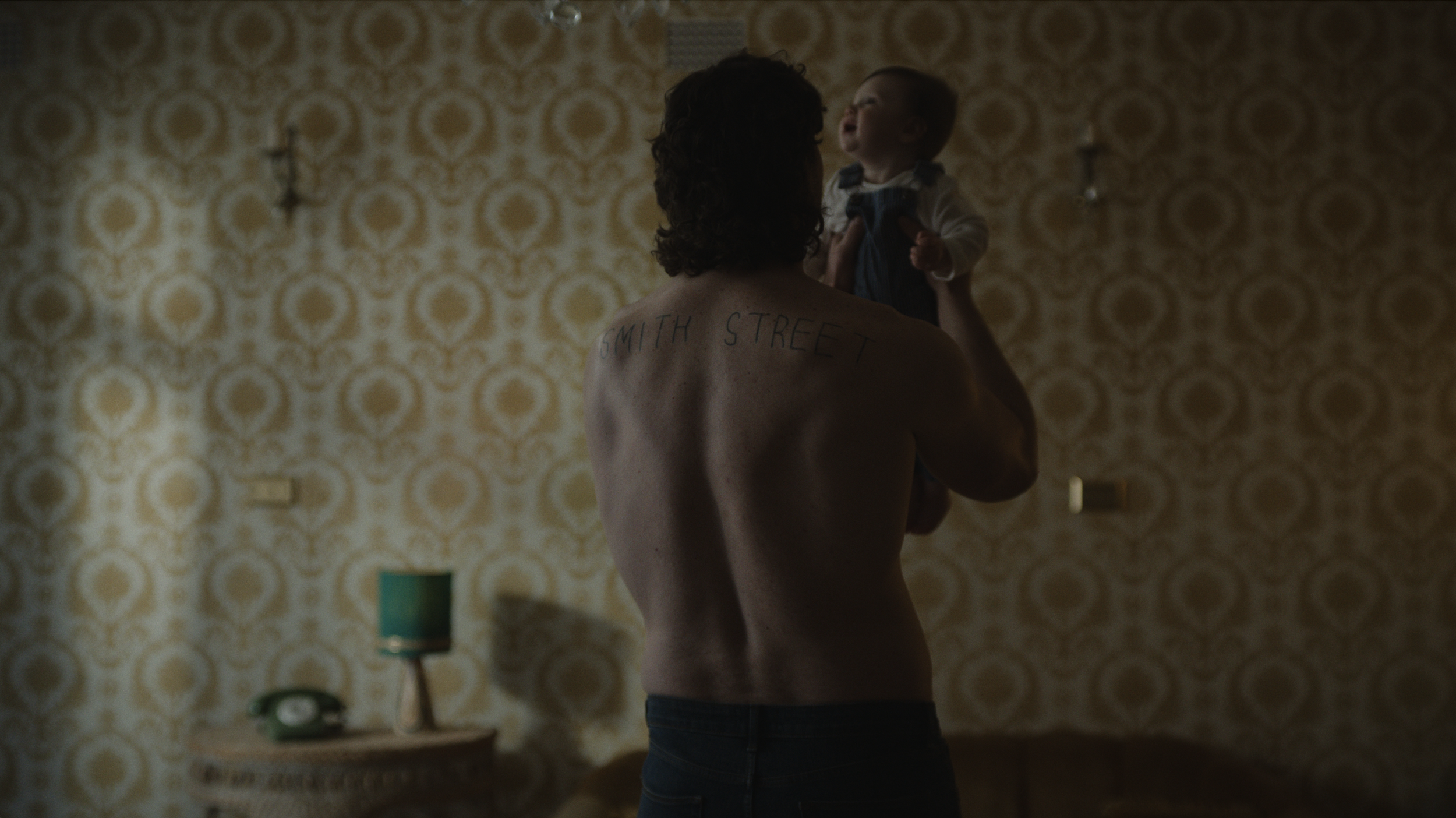
LDH: What else was inspiring you creatively while making A Stable for Horses?
DP: There’s a Humphrey Ocean painting from about 1982 called Lord Volvo and his Estate – essentially it depicts a group of puffed-up lads stood around a car, and I love the composition and the attitude of that painting. I wanted to replicate that – there’s a scene in ‘Horses where we’re traveling around a cul-de-sac with these Sharpies at the centre in a similar composition in the frame. I also used Ben Quilty’s Hill End Landscape #1 with our creative team as a colour guide – it’s a painting of what looks to be a Chrysler or similar on a dying lawn and it reminds me so much of my childhood – my neighbours cars on the blonde blades of the lawn, cars you would see everywhere then, and it’s done in these deep blues and blondes and browns. This is the palette of the film. As films go, The Assassination of Jesse James by the Coward Robert Ford is for me, the best narrated film since Badlands. And then the ensembles from films like La Haine, This is England were in mind with regards to our characters, even in the silence of ‘Horses.
LDH: The horse seems to be a recurring motif, from the film’s title to the ashtray in the final scene. What is the significance of the horse as a symbol here?
DP: When I found that ashtray, I wondered if we were getting too horse-y, thematically, but I’m glad we stayed with it. It’s not that deep, really – horses are the symbol of freedom, virility and unbridled spirit, and in a way, the Sharps as a community was a stable; a safe place for wildlings.
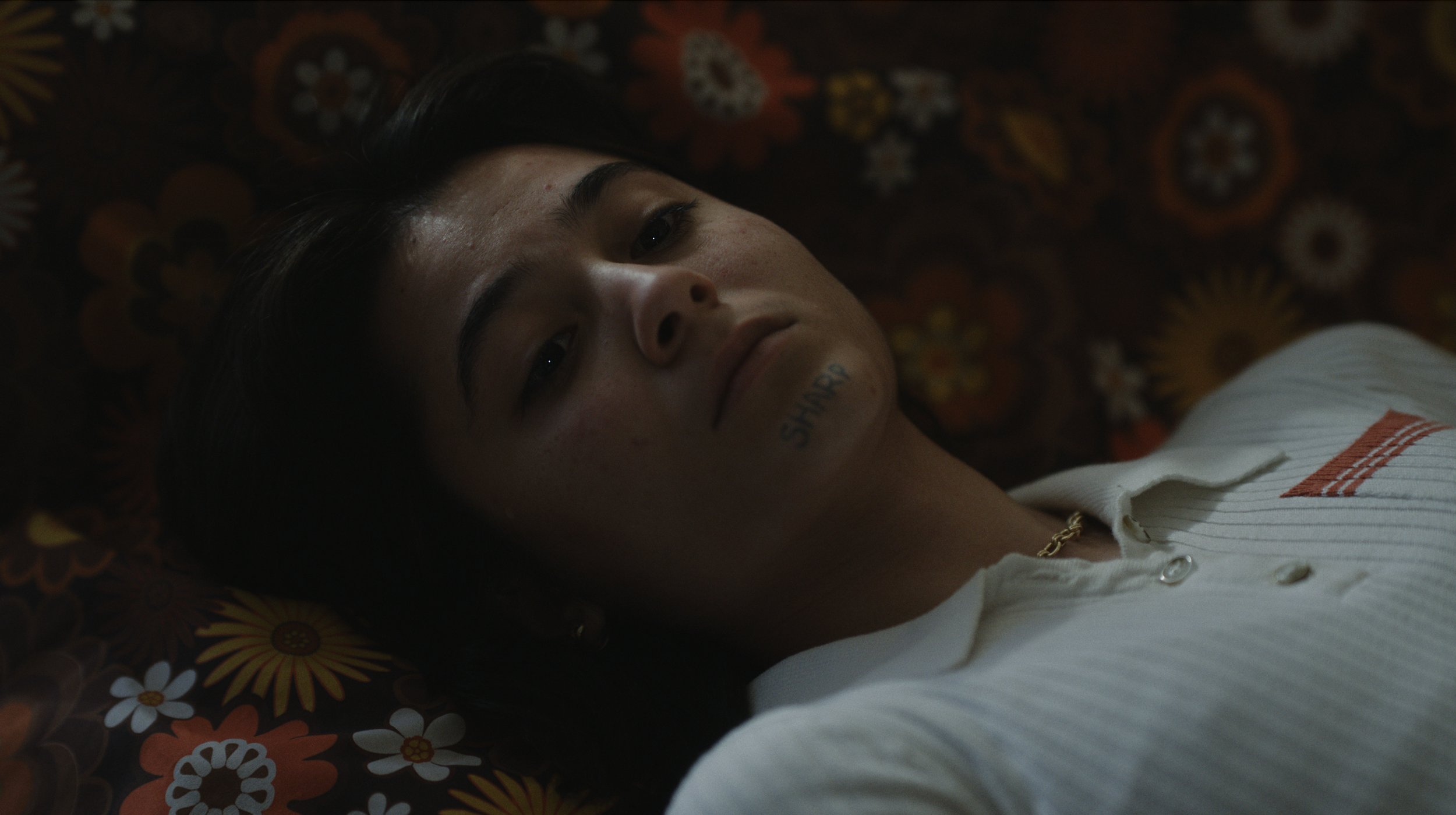
LDH: The Sharpies were also known for their distinctive fashion, music and dance cultures — from choppy fringes and pub rock to their signature style of shuffle dancing. Can audiences expect to see more of these subcultural elements brought to life in the feature length film?
DP: I think we have a responsibility to show the Sharps in all their glory; the music, the clothes, the attitudes – it’s a big thing that plays on my mind as we develop the film, the fact that this is quite important to some people. But I came up on the back of this time and music was a big part of my upbringing – and the developing script. It’s all really exciting but I’m taking it very seriously. In saying that, I think the best way to tell the story of the Sharps is to sit it within another, far more personal story and that’s what we’re doing.
Continuing its festival circuit, A Stable for Horses will screen at Austria's 41st Alpinale Short Film Festival on 12 August.