
Frances Rings and Glory Tuohy-Daniell on Bangarra’s ‘Sheltering’
Interview by Lila Daly-Hyatt | Photography by Seung Rok Baek
Aboriginal and Torres Strait Islander readers are advised this article contains the names of people who have died.
“This is where we’ve come from. This is where we want to go. And this is how we want to do it.”
A spirit of reflection, truth-telling and self-determination has shaped Bangarra Dance Theatre’s enduring legacy over its 37-year history. Emerging in 1989 from Australia's premier dance college for Aboriginal and Torres Strait Islander peoples, NAISDA, Bangarra Dance Theatre embodies a history of First Nations cultural revival and innovation. This year, the company became the first Australian organisation to receive the prestigious Golden Lion for Lifetime Achievement in Dance by the Biennale Danza 2026, an award recognising its transformative body of work and visionary contributions to contemporary dance.
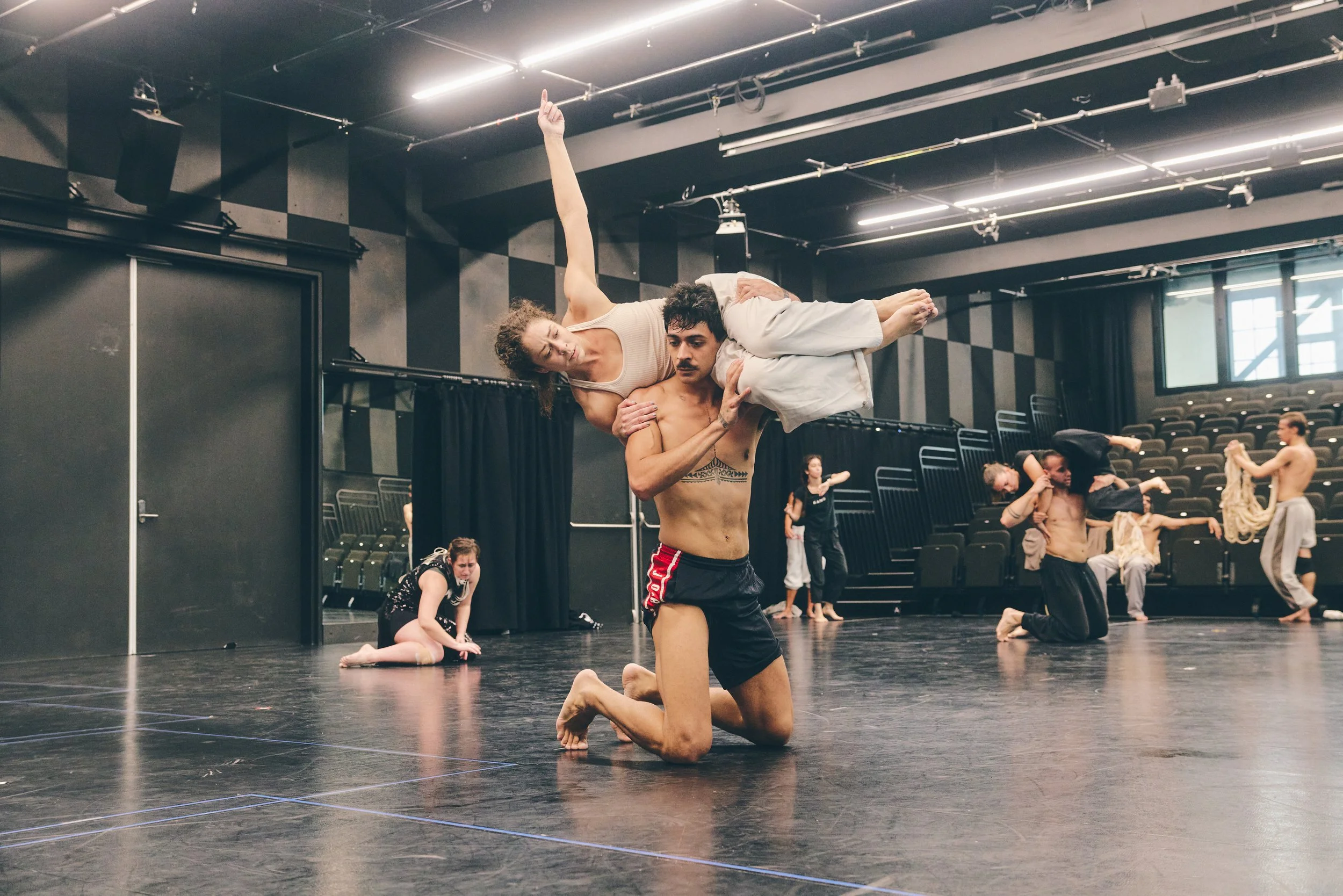
Cultivating a place to gather, share stories and imagine new futures remains at the heart of Bangarra, and re-emerges as the core of the theatre’s 2026 production Sheltering. Three standalone works by emerging and established creatives connect diverse intergenerational stories, exploring how the experiences of the past continue to resound and how knowledge-sharing and cultural connection are sustained amid evolving social, political and technological pressures. The production sees the return of Sheoak, first performed in 2015 and choreographed by Mirning woman and Bangarra’s Artistic Director and co-CEO Frances Rings, with music by Munaldjali and Nunukul man David Page. Sheoak is joined by Brown Boys, an original dance film by Gomeroi and Tongan dancer Daniel Mateo and Cass Mortimer Eipper, alongside Keeping Grounded, the choreographic debut of Indjalandji-Dhidhanu and Alyewarre creative Glory Tuohy-Daniell.
Between rehearsals ahead of Sheltering’s opening night at the Sydney Opera House, Lila Daly-Hyatt speaks with Artistic Director Frances Rings and choreographer Glory Tuohy-Daniell about their creative process, the power of mentorship, and the importance of taking off your shoes.
LILA DALY-HYATT: You’re in the final stages of rehearsal before Sheltering opens. How does it feel arriving at this stage?
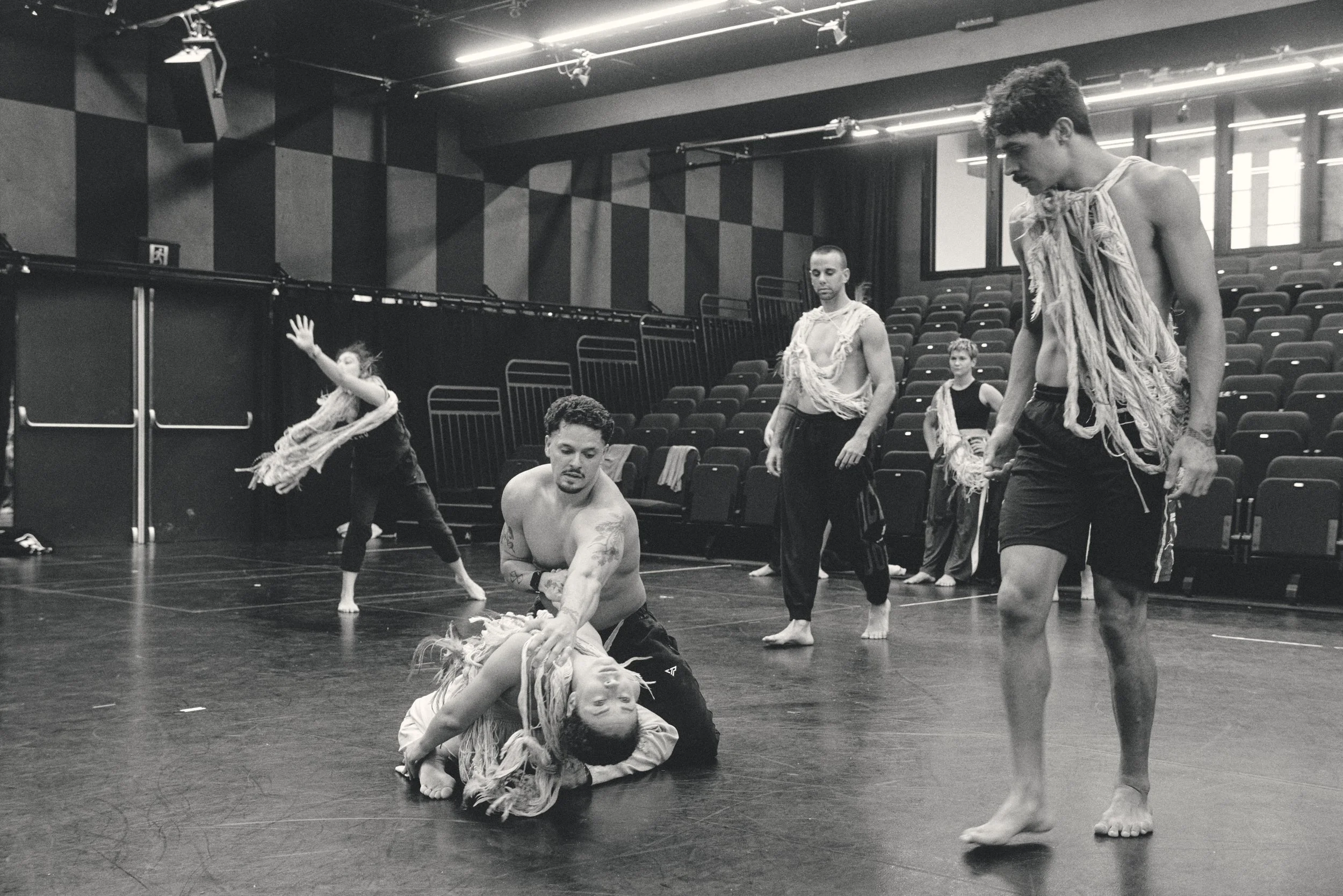
FRANCES RINGS: It's all the detail now, the finessing and the transitions, those last bits of character, refining all those little choreographic moments that are still a bit sticky It's tedious work but necessary to do now so that when they're on stage, they can just focus on being in their spot, catching the light, embodying the story. It’s the calm before the storm.
We’ve got back to back programs – we finish this work and then we're taking Terrain, which is a work that I created in 2012, to the Venice Biennale di Danza. We'll be there at the ceremony to pick up the Golden Lion Award for Achievement in Dance, it's a big year for us. We just finished a collaboration, Flora, with the Australian Ballet, and it already feels like we've done a year. We're only in May and it's massive, but we lean on each other.
We've got such a great team and our dancers are hungry. Their confidence has built. They've grown from this experience of working with the ballet, and it's just great to see that impacts are happening not only on stage but off stage. You can't buy that kind of thing.
LDH: Can you tell us about what led to the creation of Sheltering? Why is it important to bring these three intergenerational stories together now?
FR: In curating this work, I wanted to bring not only these different perspectives and different ways in which we tell our story together, which are theatrical, that are choreographically different, and that are multidisciplinary as well.
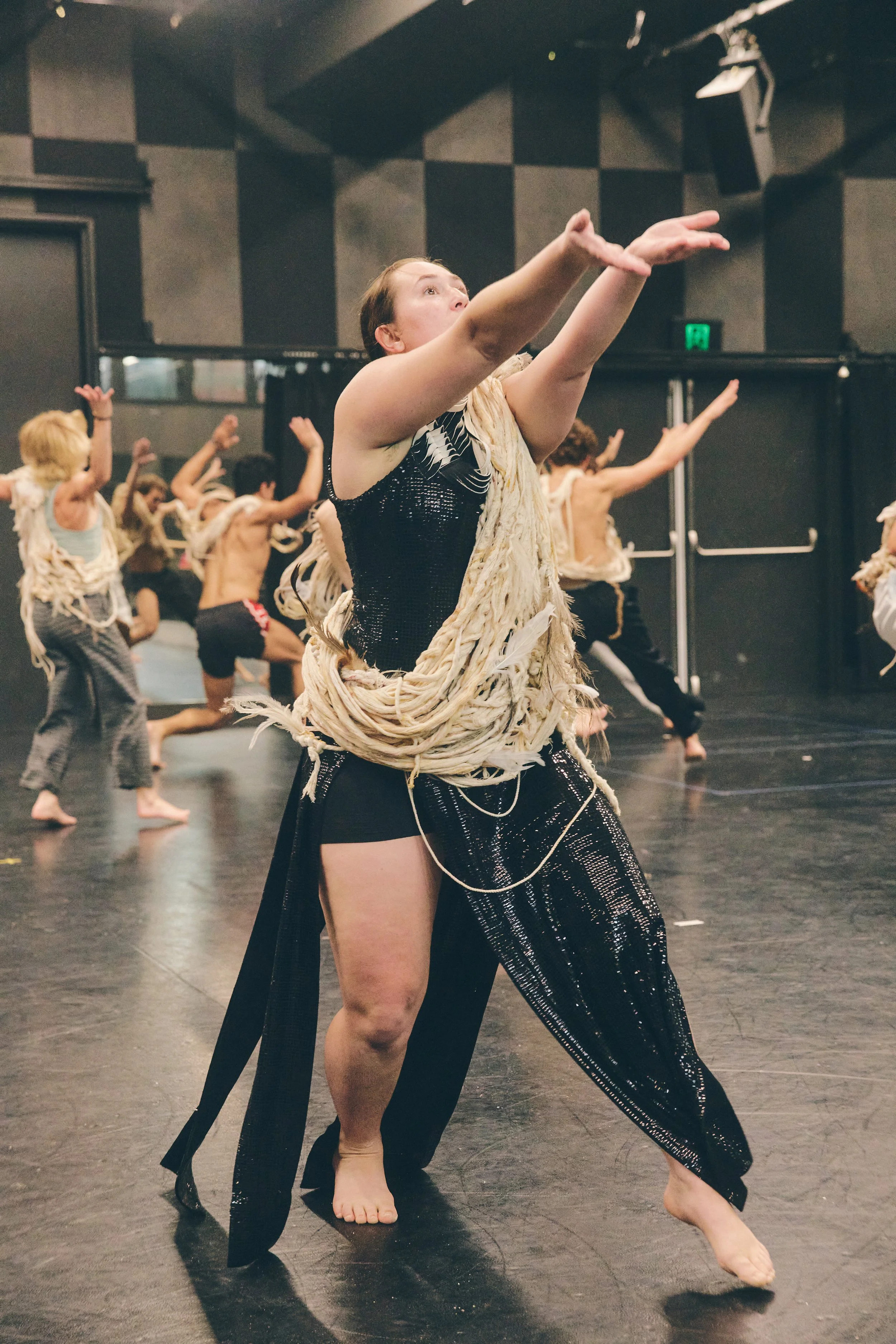
There are different forms, different languages, but also different generations together in the same bill to represent this intergenerational conversation that we have. A shelter to us is a place of gathering. It's a place of sharing knowledges, of sharing our past and our present, but also a haven and a safe place in which you can learn from each other, gather, and be able to share. So for this work, it's a program that represents this diversity of our stories. Each of these works is unique and reflects not only a different era of Bangarra's 37-year legacy, but also the new forms in which we tell our story, through technology and through the use of props, while asking — what are we responding to?
What affects my generation? What affects the current generation and what is the purpose behind why we tell our stories? Our expression and the platform in which we use to tell our stories is ever evolving and ever transforming. I love that Sheltering is a place where you can see not only that generational difference, but also just what impacts those different generations.
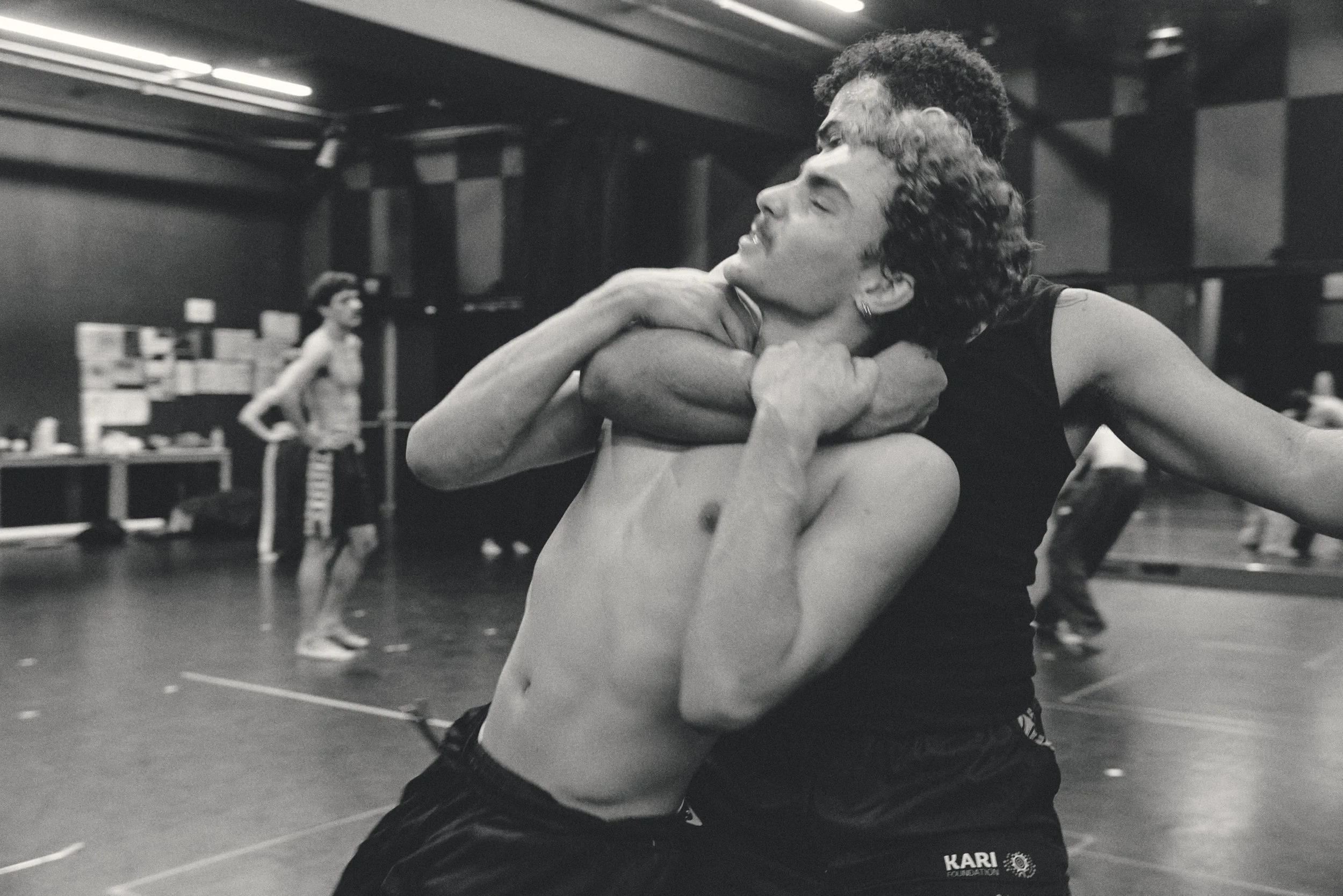
LDH: Eleven years after its debut, how does it feel to return to your work Sheoak? Has revisiting this performance, in a different era of the Bangarra Dance Theatre, a different time in your life, a different moment politically in Australia and globally, prompted new reflections on the work’s themes?
FR: For me with Sheoak, that was created in 2015. That's 11 years ago now. The inspiration behind that work was that I was responding to our current Prime Minister at the time, Tony Abbott, who had made a statement about First Nations people living in communities as a lifestyle choice. My family live in a community, and this is a deeply hurtful and ignorant assumption to make; I really wanted to have Sheoak address this. Our people, our Mobs that live in community, they're preserving language, law, stories, customs. They're caring for Country, for science. They’re empowering our young people. And they are also doing an important role on Country.
It’s a comment that was made without any thought, consultation or perspective. It’s reflecting on 11 years ago and asking the question, what has changed? I think that deep spiritual and ancestral connection to Country has been enduring. Our leadership and our Mobs that live and work in communities, in regional and remote areas, do so with empowered, self-determined First Nations governance. Post-referendum, pre-referendum, we had the Uluru Statement from the Heart, which was such a moment of light and optimism for First Nations people and for all generations — to have all of our leaders come together at the base of one of the most sacred places in Australia to create this document that anybody can read and see, and feel the energy of “this is what we need”. This is where we've come from. This is where we want to go. And this is how we want to do it.
LDH: So it’s about looking forward while recognising what has come before?
FR: It's always this process of going two steps forward and one step back. The referendum was highly disappointing. As artists, we always come out of that with a sense of reflection. Did we do enough? Did we say enough? Were our actions strong enough? And then we start doing the work of creating art, creating our response, and doing our role in truth-telling and in ensuring that those stories are aligning with what is impacting us currently. When we curate our works, I'm always thoughtful and considerate of what our current climate is, and what is going to benefit our people.
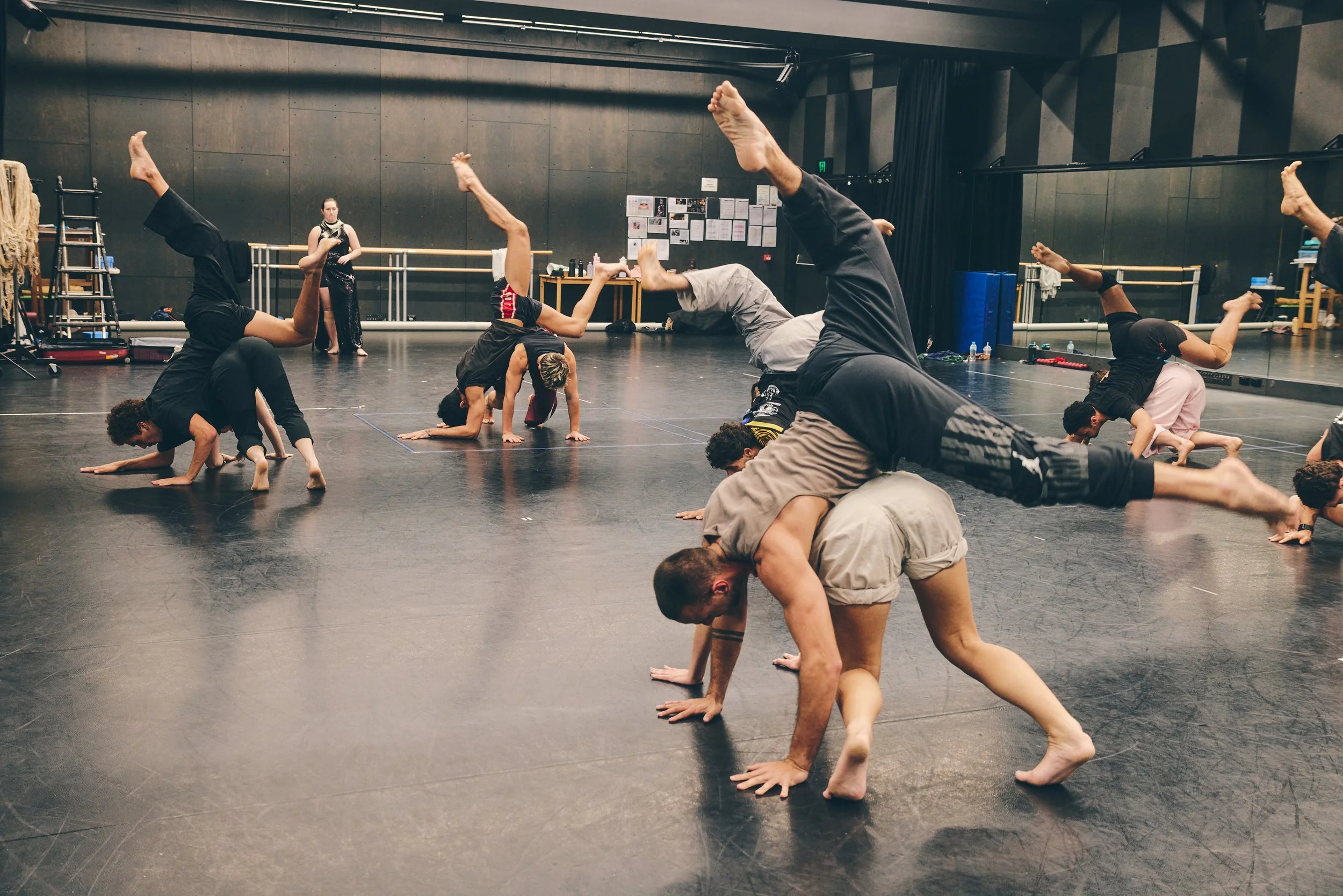
LDH: You’ve described Sheltering as cultivating continuity between tradition and innovation, memory and emergence. What has it been like watching Bangarra’s dance artists, choreographers and musicians inherit existing stories, while also reshaping and extending them through their own voices, experiences, and new forms of storytelling?
FR: When I started in the role of Artistic Director in 2023, my mission was to ensure that I cared for the legacy that I inherited, and that was my priority. But I also prioritised how I cared for the future, in sustaining and building our next generation of leaders, be this in the studio through our incredible dancers, or all of the opportunities that our dancers are given to create works. We have a choreographic program called Dance Clan, which hadn't been done for 10 years. So, I really wanted to start my leadership off by bringing back this program.
It was a program where I actually got my first choreographic opportunity in 2000 to create a work. Stephen [Page] mentored me and I got to create an amazing work that really set the course for me as a storyteller, and also set career pathways that led me to where I am today. So, I know the importance of what these programs represent, not only for finding your own artistic and creative language and voice, but also for your aspirations to go further and to see beyond the stage to possibilities that lead you into leadership positions elsewhere.
The importance of Dance Clan cannot be underestimated. Both these works, Keeping Grounded and the dance film, Brown Boys, came out of the Dance Clan program. I'm so proud of Glory Tuohy-Daniell for Keeping Grounded and Daniel Mateo and Cass Mortimer Eipper for co-directing Brown Boys, the film. It is an amazing gift to be sitting in between these works by a current generation, with my work that sits in our Bangarra creative and cultural song line from 11 years ago. It’s about how we can lay out that palette of our storytelling to take audiences on a journey to look to the past but also look at the talent that's coming out, to look at the force of these visions and their leadership. Succession is a part of leadership, and nurturing that next generation is just as important a part of leadership as is creating an artistic program.
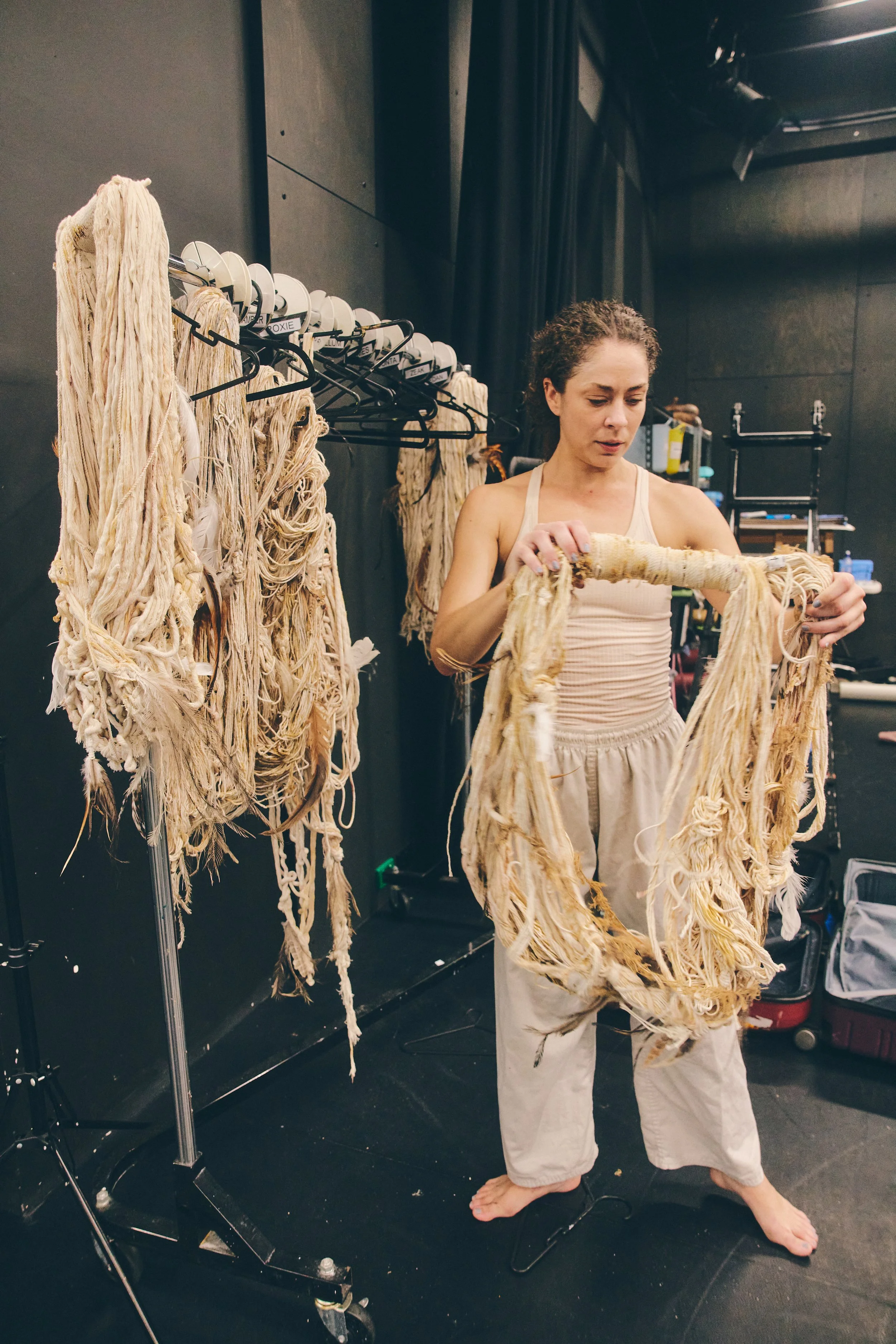
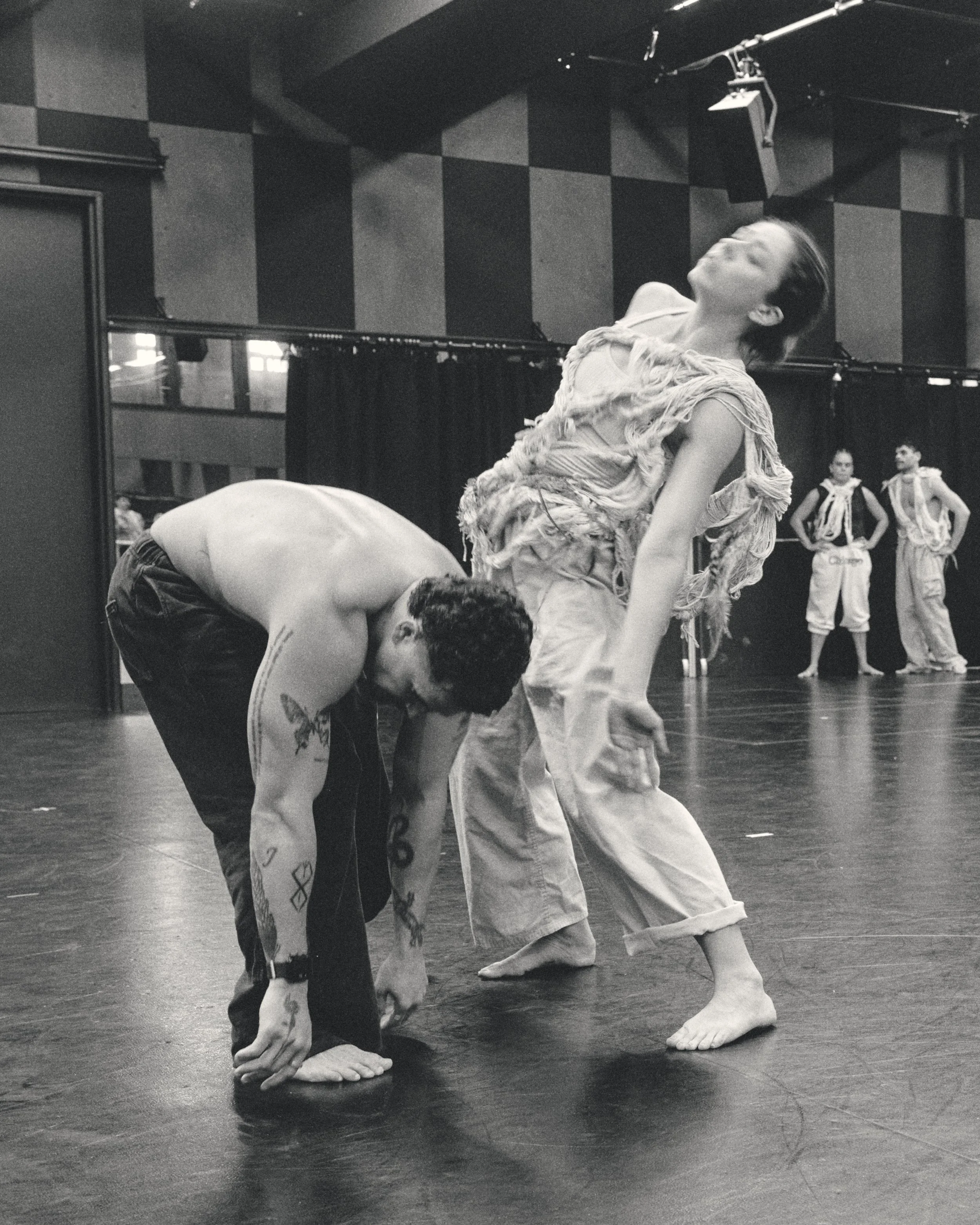
LDH: Has it been exciting seeing what kinds of relationships have emerged between the different works that are under the “canopy” of sheltering?
These are three very different works; there is no kind of poetic transition between them. I didn't want that because I think that they're unique and that they stand very strongly on their own. What I really want people to walk away with is that as a company, it's the work that we do off stage in these programs that is really important, and it’s important for audiences to know that we're actively supporting this generation of new storytellers that are coming through the company and empowering them to preserve their own stories and to create works in their own language. This is also about how they contribute to shaping our landscape, not only today but into the future.
LDH: Did you notice any conversations or tensions emerge between different eras of Bangarra’s creative identity or different aspects of these works?
FR: There's always tension in our works because that's part of the light and shadow that we deal with. The intergenerational effects of colonisation and the impacts that resound, these impacts which are still affecting us. There's lots of synergy.
Glory was a student at NAISDA, one of our premier training institutions for First Nations dancers, and was actually on a secondment at Bangarra when I was creating Sheoak. She was in the room, and her DNA is in the work, which is really interesting. We did it in conversation together and it was really interesting for her to talk to me about how when she created her work, I allowed her to fall over and then get back up again. As a mentor, you give generously, but you also have to step back and allow them to make their own choices and to be able to find the solutions themselves, to be able to work through the challenges. They've got to really trust and find their own voice, believe in their own vision, and have a toolkit that they can use and access. It’s about building resilience and trusting themselves.
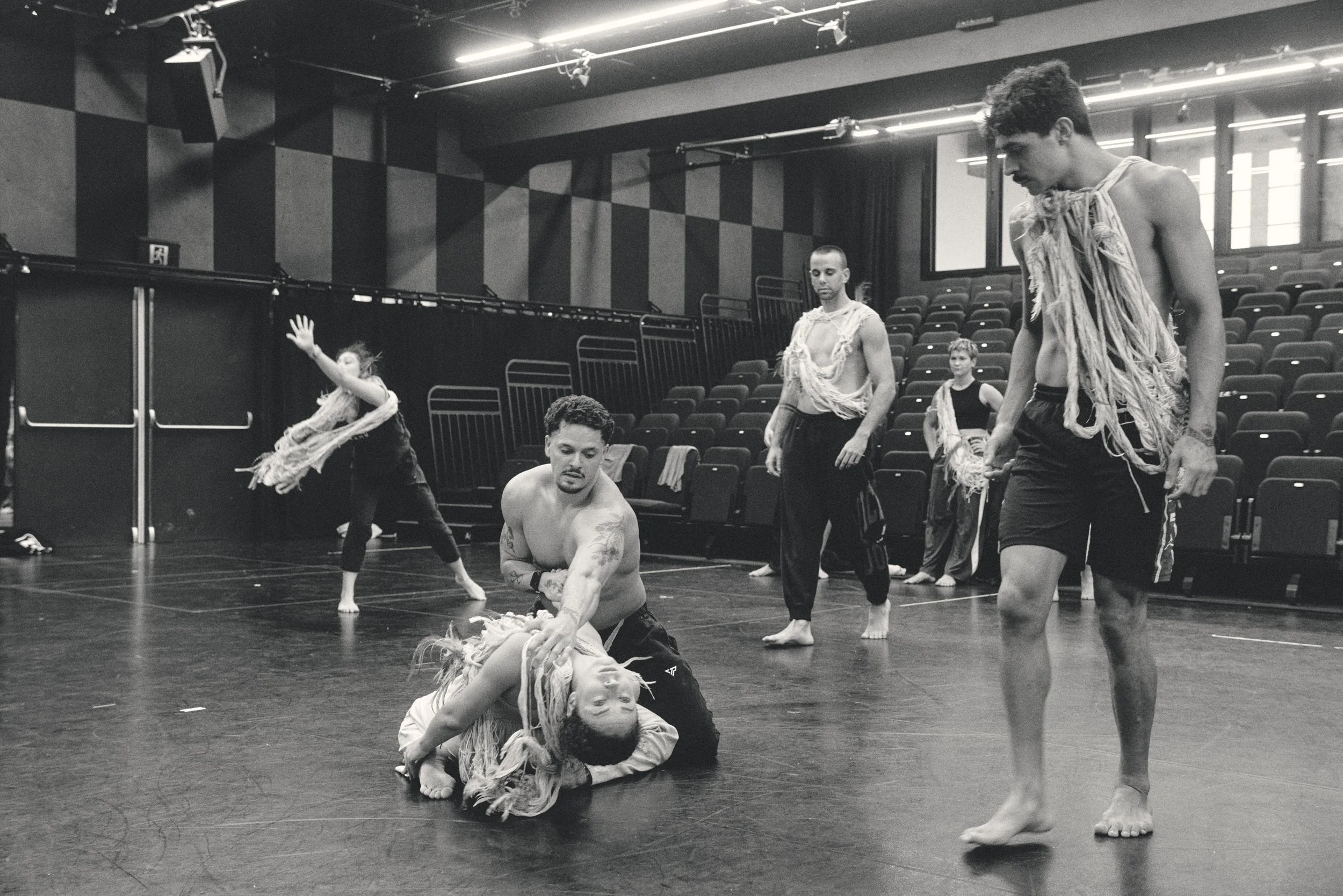
LDH: Mentorship is clearly such an important part of Bangarra’s legacy. What excites you most about the new generations of First Nations storytellers emerging from the company?
FR: I love that they have an interdisciplinary approach, that they're bold, that they take risks. They're not afraid to ask and speak their minds and proudly have their own perspectives. They offer a lot but they also have agency. It's about being grounded in your values and understanding what the purpose of the company is and what we stand for, and that you contribute to this incredible creative and cultural songline that nobody owns. We're stewards for a moment while we're here, we all show up and we all believe in something that is bigger than all of us, and I think that that's what Bangarra stands for. You have to keep evolving, keep listening, keep responding, and that’s what is important about what you curate and what you bring on stage.
I just love that Sheltering is that place where we're reflecting back, but it's also about how those stories of the past give us a touch point to what is happening today to ask the questions about if we have changed, are we doing enough, how can we keep aspiring and striving to create positive and constructive changes. You can't do that by staying the same.
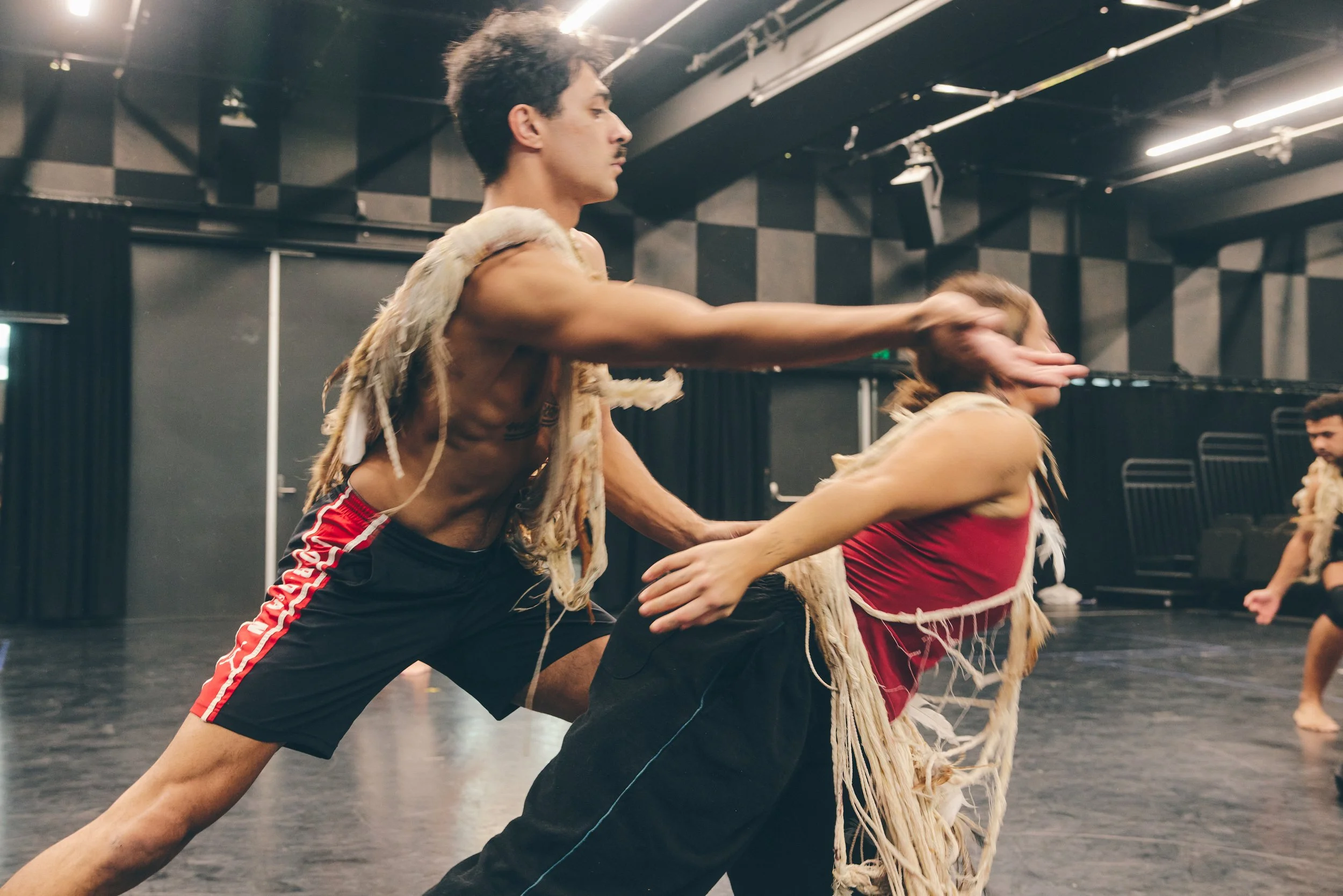
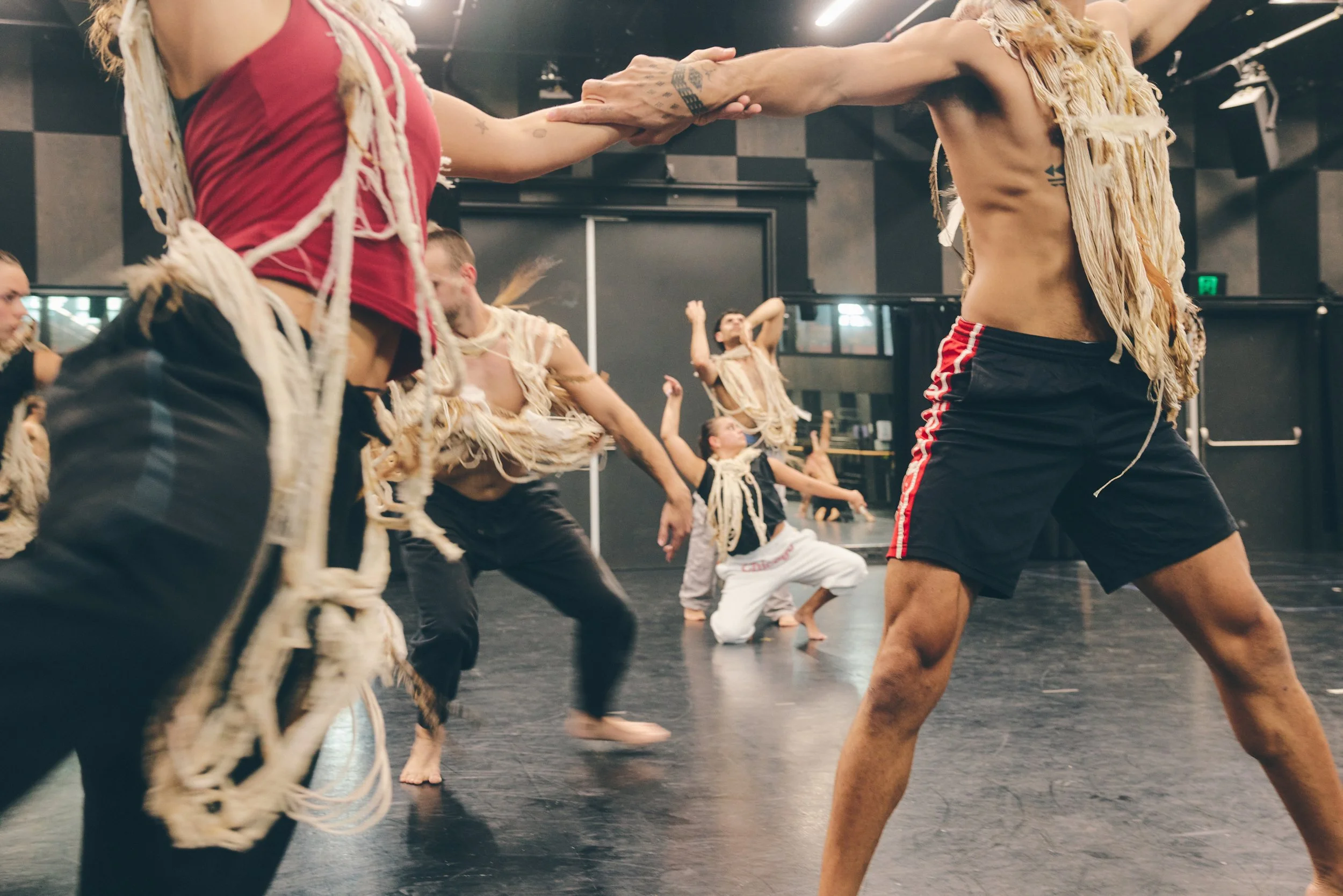
LILA DALY-HYATT: Hi, Glory. Can you tell us about Keeping Grounded — how it began, and what ideas, reflections, or experiences shaped your approach to the story and to your choreography?
GLORY TUOHY-DANIELL: Keeping Grounded was born from Bangarra's Dance Clan program that they have for emerging creatives. We performed it for the first time in 2023 in Bangarra's studio, for a two week season. Then, Frances rang me up in 2024 and asked if I wanted to come in for a meeting. She was wondering if I’d be interested in Keeping Grounded being a part of our main stage program for 2026. That's how it has come to be on the main stage now.
LDH: Are there any particular reflections or personal experiences that you're drawing on in telling this story?
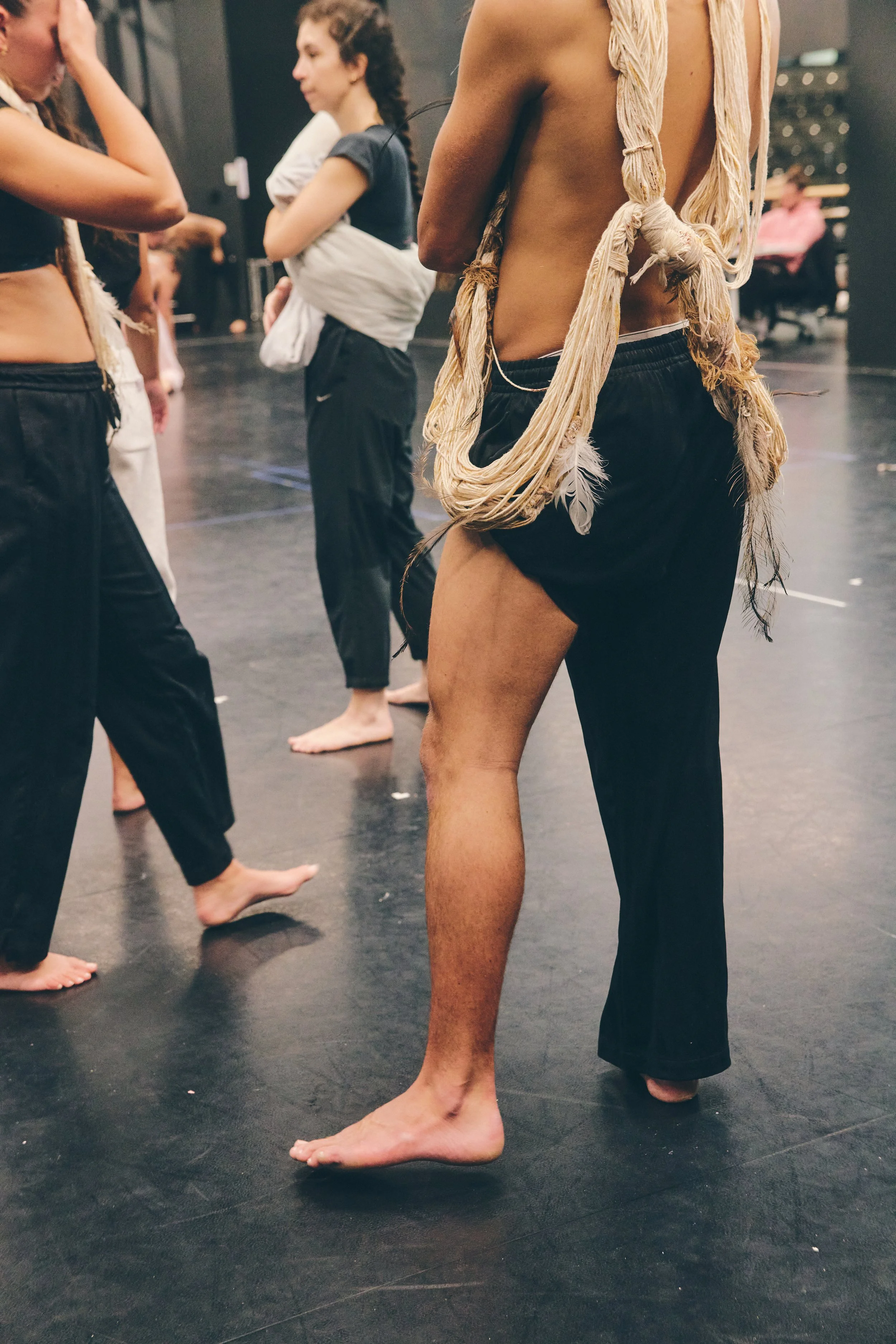
GTD: The show is about the physical connection of humans to the earth and letting the energy from the earth flow through our body, through bare feet, and then for our energy to flow through into the earth. So it's about healing and about understanding something that did not always need to be thought about. I live in Sydney at the moment — or I should say I pay rent in Sydney — and I’m having to consciously make choices being like, okay, Glory, let's go to the park, let's take our shoes off and just have a little bit of you time, connecting back and just let energy out of your body and into the earth. We all know that when we go outside and we walk around barefoot, or when we’re in nature, we feel better.
Sometimes I'm thinking about it constantly. And then sometimes, like today, I'm going from airport to airport and I'm on my phone, and then I'm in the air, not even close to the ground. Today, I probably won’t touch the ground at all with bare feet. So, I go through moments where I'm very conscious and I make the effort. And then there are moments where I definitely forget. This is why it's so crazy – something that's so simple is so hard to do sometimes.
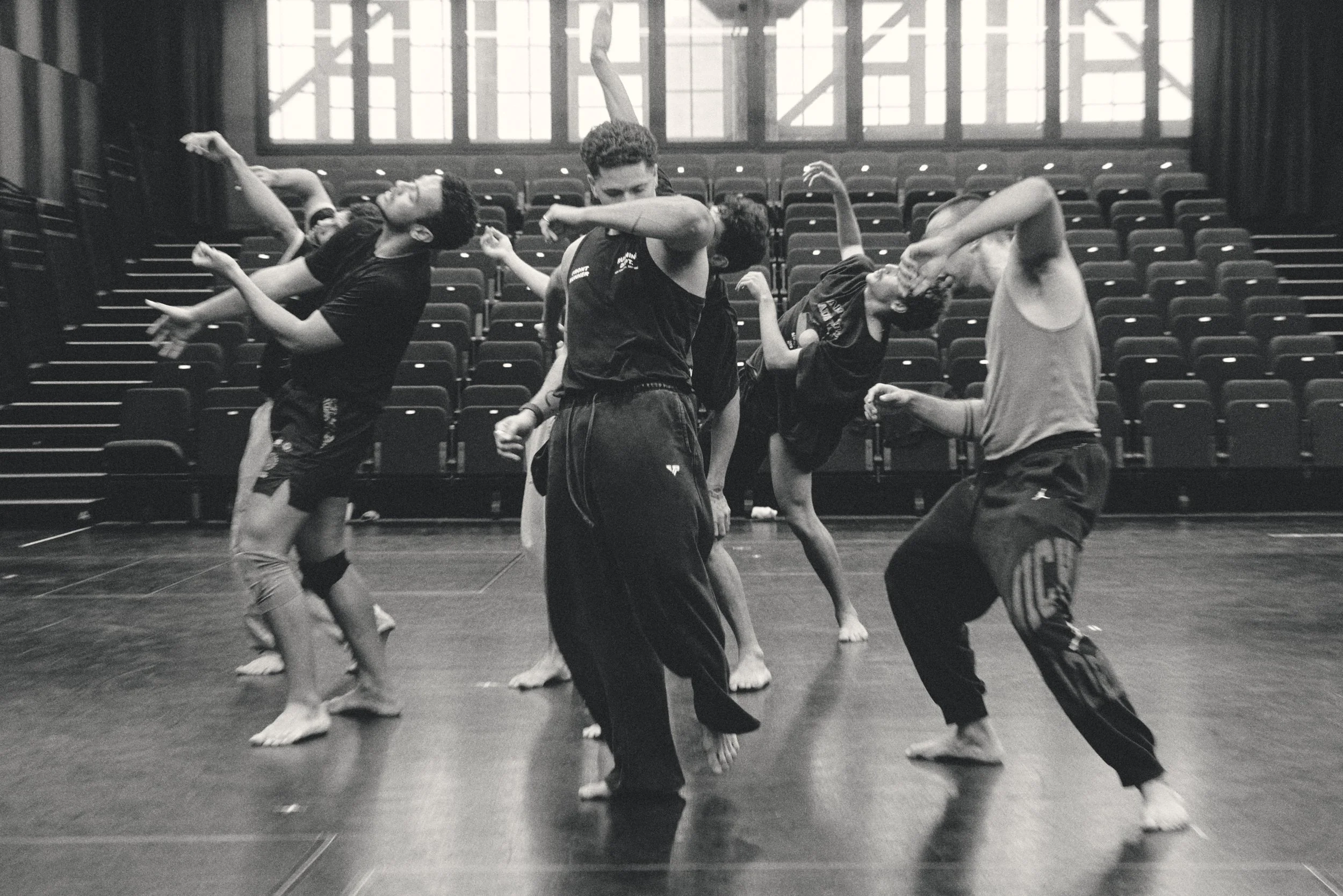
LDH: Would you say that movement is one of your ways of “keeping grounded”?
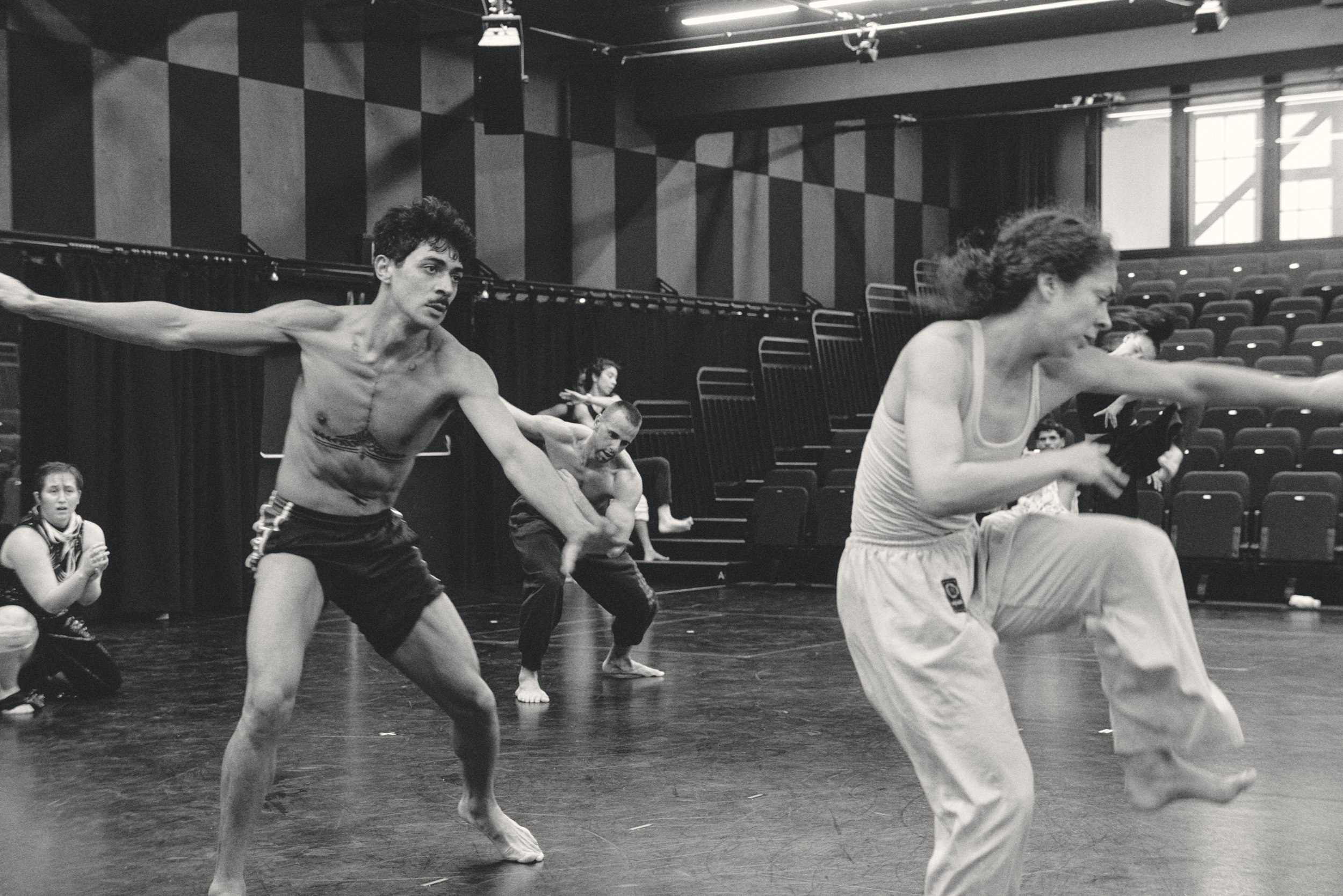
GTD: We definitely explored this in the creation of Keeping Grounded. Every day when we were creating, we always went outside and spent 20 minutes with our bare feet on the ground and discussed things or did little tasks that I would set, like writing tasks. Sometimes we'd share things and sometimes we wouldn't. The choreography definitely is a part of that, but because this is my first work that I've ever made, my internal struggle is trying to put out what I'm thinking in my brain and being able to share it with the creatives in the room, and then for us to physically make that and feel like the audience will understand what I'm trying to do.
LDH: You mentioned that Keeping Grounded grew out of Bangarra’s Dance Clan 2023. Why is it so important for emerging generations of First Nations dancers, choreographers and storytellers to have opportunities like this to share their lived experiences and develop their own movement languages?
GTD: Dance Clan started in 1998, and there have only been five Dance Clans since then, so to be a part of that legacy is so important. I love being a part of something that all of these amazing people that I looked up to for years were a part of. One of my best friends that I met through Bangarra, Tara Gower, who lives in Broome, did Dance Clan 3, and I saw that as a student at NAISDA. Now we've been best friends for 10 years. So there are all these little connections that I just love. Frances also did Dance Clan in 1999, which was the second group, so to be a part of that is amazing. Also, too, because I originally didn't really think that choreographing was up my sleeve. If people asked me, I'd be like, “nah, I want to be a dancer”.
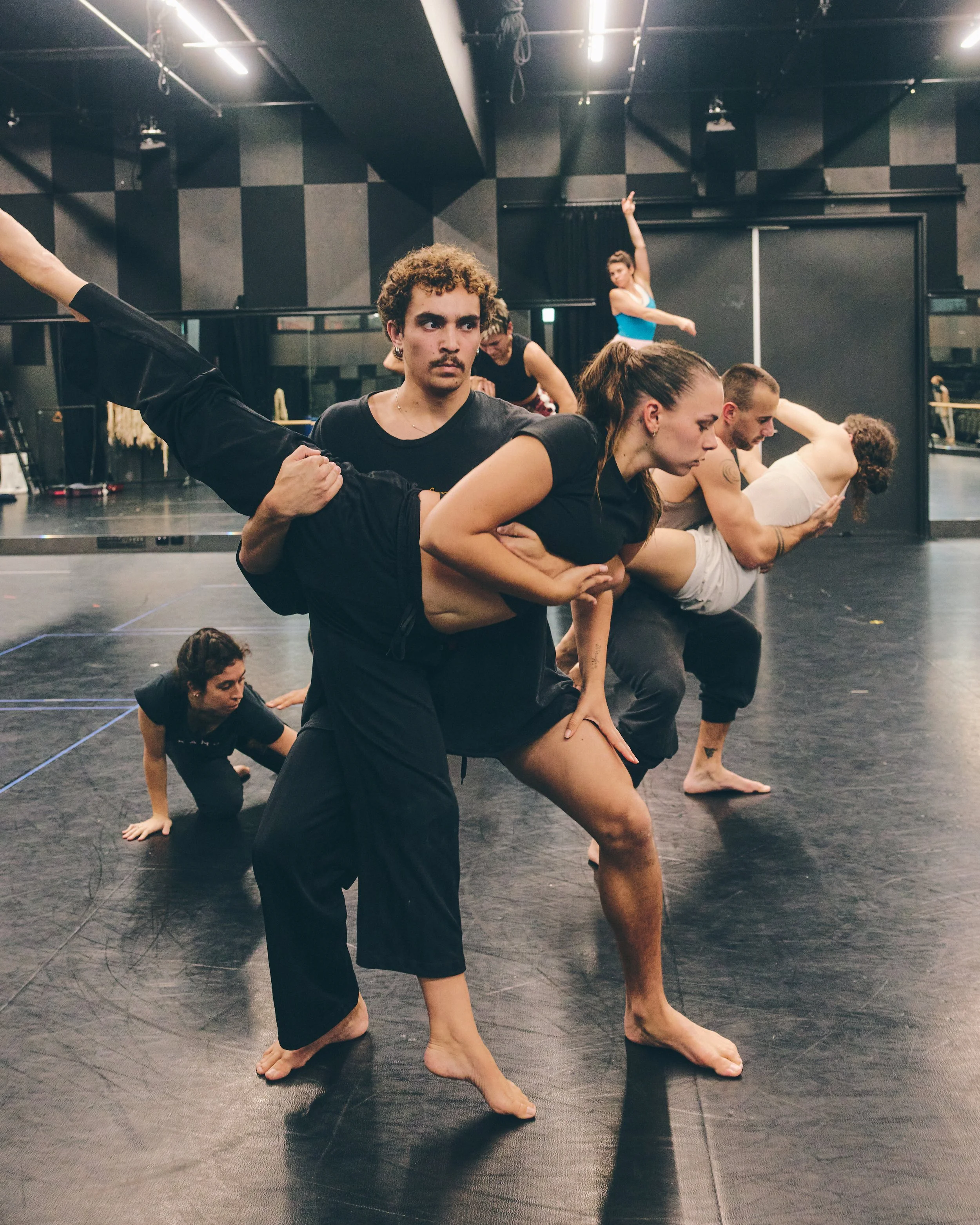
LDH: I spoke with Frances Rings earlier, and she mentioned that you were with Bangarra on secondment when Sheoak was being developed 10 years ago – so in a way, you’ve been a part of that story from the beginning. Do these moments of connection and community shape your choreography?
GTD: For me, it felt like I was in an environment where I felt safe even if it didn't work out. A lot of things personally in my life were going on. You know when people heal from their heart? That's one hundred percent what was going on. Sometimes you can't find the words, so it's just about getting all of that energy out. It felt like it was the right time, and like I had nothing to lose. I was working with all of these amazing people, and all of the creatives — the set design, music, costume — were all emerging as well. It was really lovely to all be on similar levels of not knowing anything. The people that I was collaborating with were very open and there was no spikiness.
I was 20 when I was seconding at Bangarra in 2015. I was there for on-and-off three weeks. I'd come for a week, I'd leave, I'd come back, and I got to see the progression of Sheoak, which was amazing. I was sitting in a room with all of these incredible people and they're just right there. You love them on stage, but seeing them right there, with their energy and their sweat, made me feel like “I want to do this”. It was amazing because then I joined the next year and I danced with all these people, and I kept asking, “how is this happening”? I love that my work is alongside Sheoak – that's very special for me, because it feels full circle.
LDH: Each work stands on its own, but do you feel there's a conversation happening across the works presented in Sheltering?
GTD: I'm one of those people where if there isn't a connection, I'll find a connection. What I love is that all three of us, the choreographers, were all a part of Dance Clan, so that's very special to me. We all got to do that, and we're now going to be performing around the country. It's amazing to do it together and be part of this new generation.
I'm also an independent artist, I'm a freelancer, and I’ve worked contract to contract for the last three years, so working with Mob for a decent amount of time is really special for me. I get to come in and see everyone, and it’s great because I danced with half of these current dancers. Ricky, our rehearsal director, I danced with for years. It’s such a special feeling – it’s really good and also very hard; a lot of emotions come up. We had an open rehearsal, and they were performing Sheoak. I was like, “this is the last time I'm going to be in this studio doing this with you guys”. I was getting really emotional.
LDH: You’ve previously spoken about your love for learning older Bangarra dances, and seeing how they shift and evolve as they’re passed through different generations of performers. What is it about this process of reinterpretation and evolution that you appreciate so much?
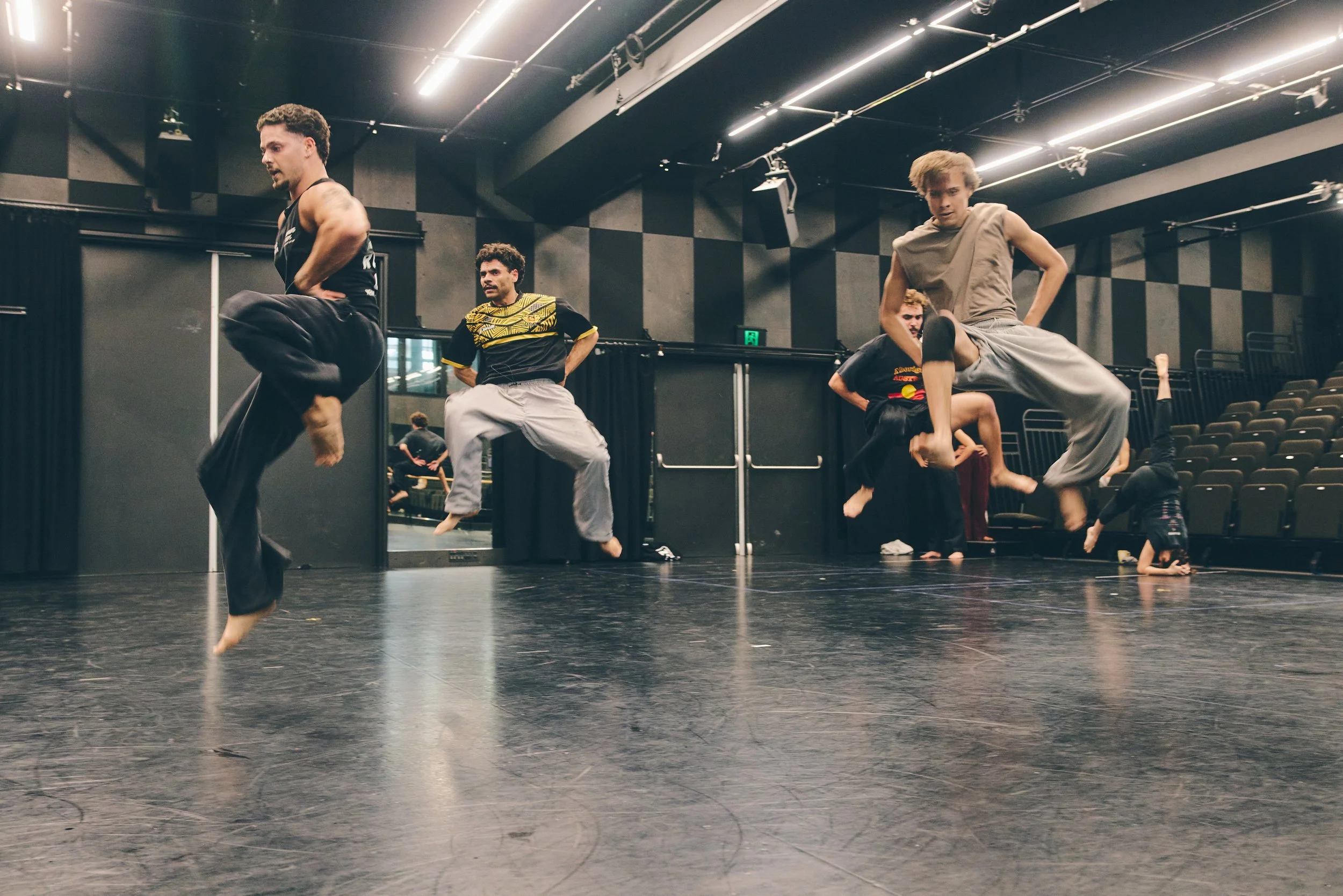
GTD: When I was a dancer at Bangarra, I loved it – I got to perform Ochres, which was the same age as me. I performed that as a full length work in Paris, which was amazing. There's just something about performing older works which have been made in a different time, and thinking about the different struggles that were happening and the different dancers that were there, and just seeing what they created. And then, to try and mimic that. As a dancer, I really love to try and mimic. I definitely found it hard at first, because I felt like I didn't know what my style was. I'm sure that it is there, but I really love mimicking – I love watching and trying to be something else. I got to revisit all of these old works, where sometimes some of the OGs were in the room with me, and I was learning from them.
When I joined Bangarra, I was the youngest there at the time. I was learning from people in their 30s and early 40s, and I was just watching them. I've never had more amazing times learning dances before. And with “Duboo’s” music, David [Page]'s music, there are so many layers to it. If you listen to it, you'll hear something. Then the next time you listen to it, you might hear something else, and you think, “I didn't even know that was there.”
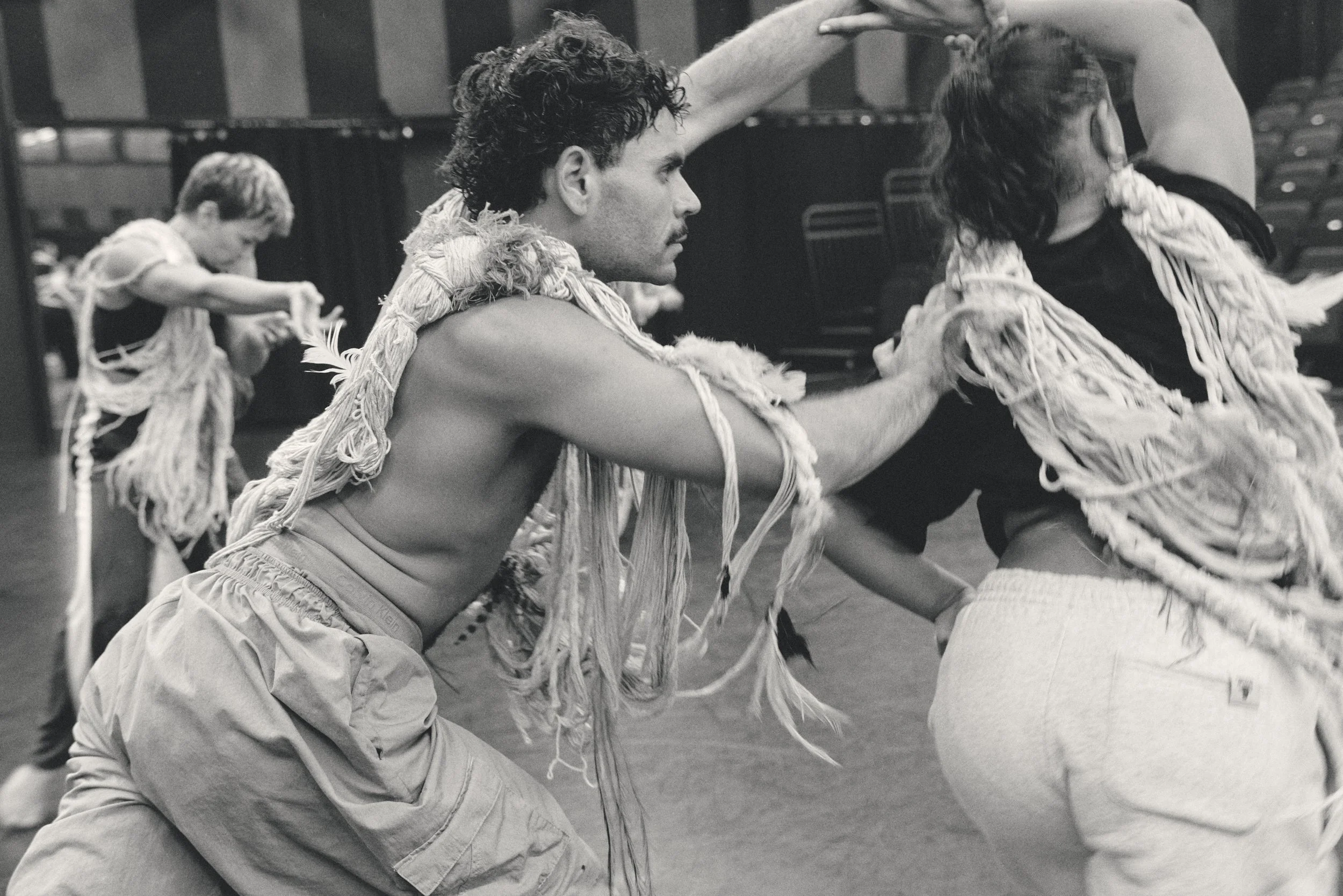
LDH: Is there anything you hope that audiences carry with them after seeing Keeping Grounded?
GTD: I hope that there are conversations out in the foyer, or later with their family or their kids, thinking about maybe when we go for a walk, of course be careful of sharp things, but maybe take your shoes off. When we did Keeping Grounded for Dance Clan in 2023, people definitely came out having conversations asking, when was the last time I did walk barefoot? Even just getting people to ask themselves that question is really lovely, because for some people, it could have been months, or sometimes they don't even remember.
LDH: So this work really centres around being physically grounded and being outside. Is this a way that you’re thinking about connecting to Country as well?
GTD: When we spoke about that, I asked the dancers when was the last time, or if they'd ever been able to, walk on their Country in Australia. Some people hadn't ever been able to do that, because they've just never lived there or been there. So I asked them, what keeps you grounded while you're away? Because most of us are not from Sydney. We also used that – dancers gave me feedback; some people brought a shell from home, or they'd take something on tour with them to look at, which was also another way of being physically present. It's a reminder for you. There were other themes, like cleansing; people said water, and that sometimes they'd sit in the shower for a long time. We have a section that used to have water in it, not on the big stage, but in the 2023 dance.
When I used to tour with Bangarra, I used to take a jar of dirt from Camooweal, from the riverbed on the Georgina River there. I would take a little handful and put a bit of water in there, and then I'd rub it on my feet before I performed every night. Except for when we’d go overseas, because of soil customs. But when we were traveling around Australia, I used to do that. I’ve actually stopped doing it because I’d have jars in my car that would be flying everywhere. I definitely should start doing it again – I used to do it every performance. Sometimes if I forgot, that'd be my excuse if I did a shit show, like, “oh, it's because I didn't put my dirt on.”
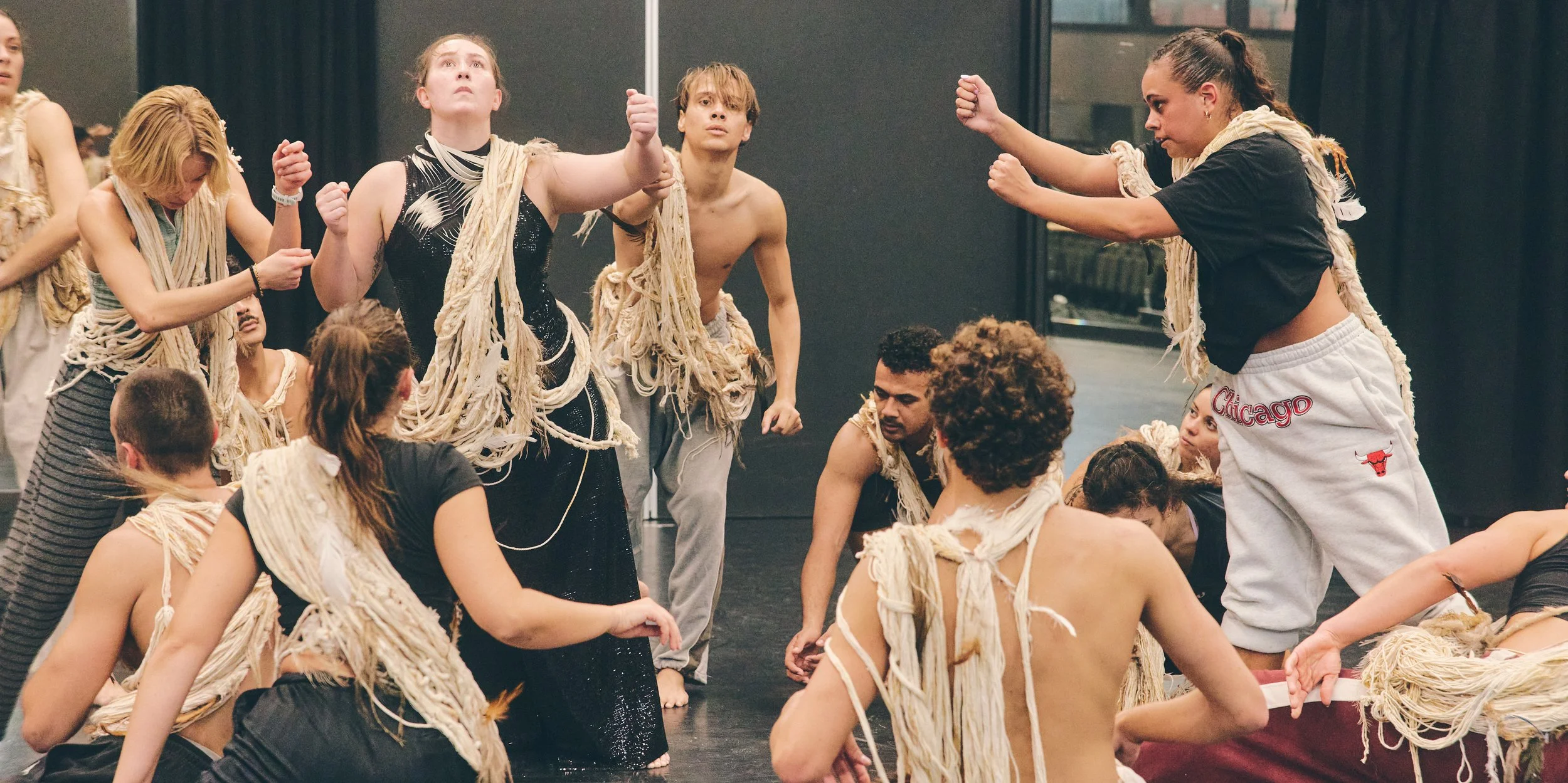
LDH: What do you find most exciting about this show and being part of a new generation of storytellers emerging from Bangarra?
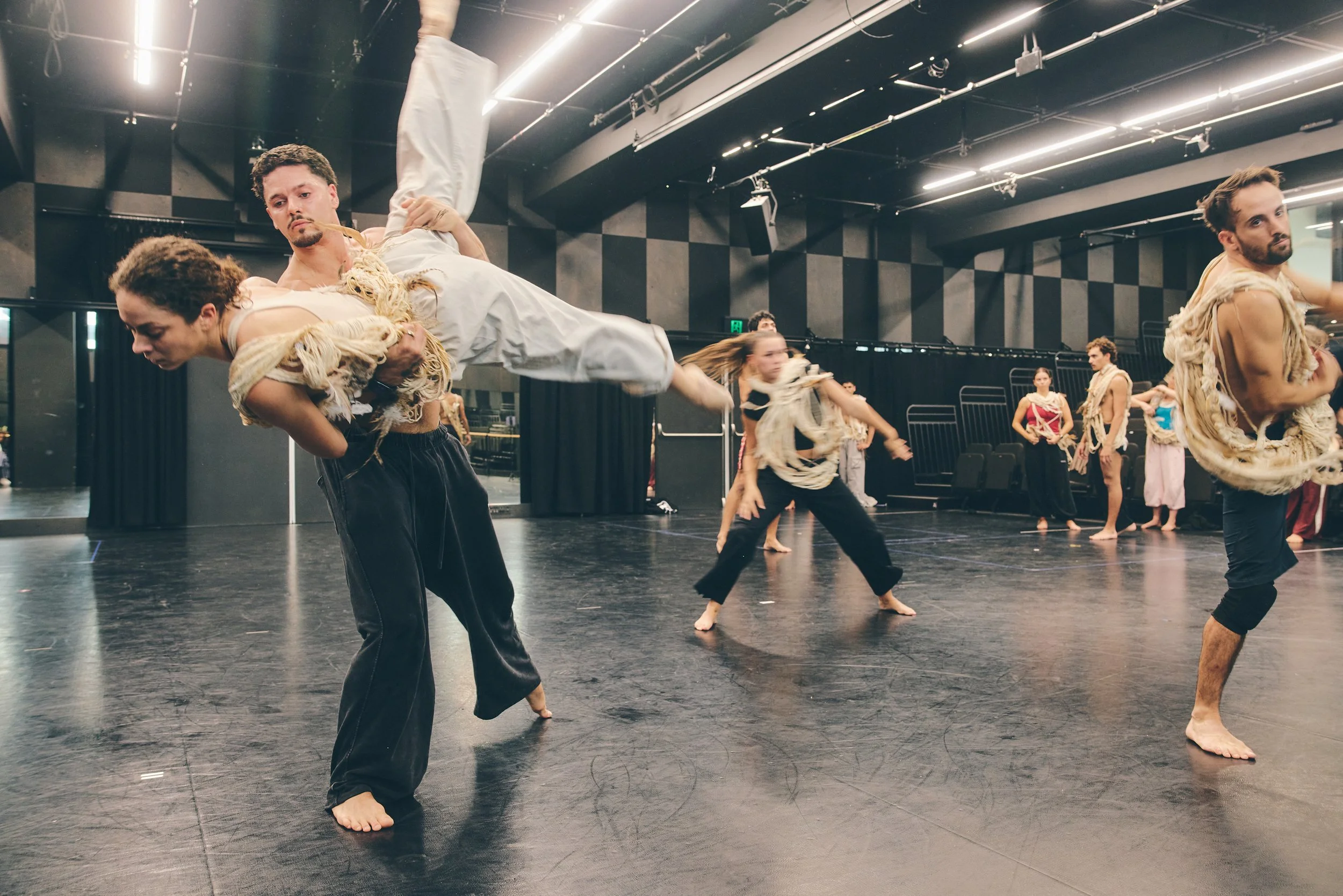
GTD: Everything is exciting. I'm definitely excited to see these Mob perform, and it's all the little things in the show that get me – like when someone is lifted and they're just off the ground, or we have a gigantic net that people will be blown away by. But I'm also really excited for my Grandma, my Auntie and my Mum to come to the show in Brisbane. I think they're almost more excited than me; it means a lot to me, but it means so much to them. This show is for people like my Grandma and my Auntie, who weren't allowed to speak their language as children; it was very different. For them to see Mob making works and travelling the country, when they've lived through so much history, is amazing. I'm very excited for my Grandma to see Sheltering.
See Sheltering on Gadigal Country at the Sydney Opera House from 3 - 13th June.