
Slow Time with Vedika Rampal
Introduction by Lila Daly-Hyatt l Photography by Paul Phung
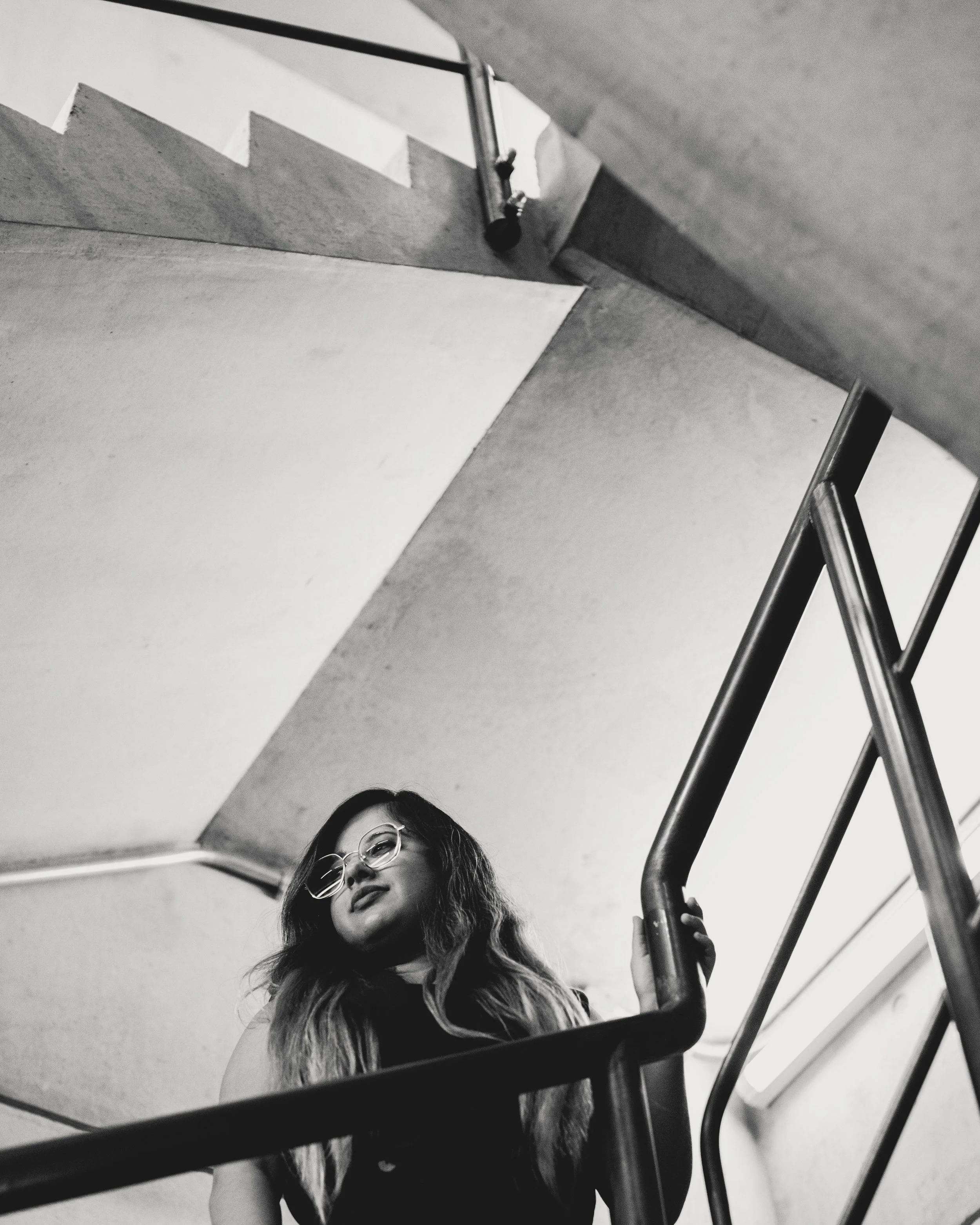
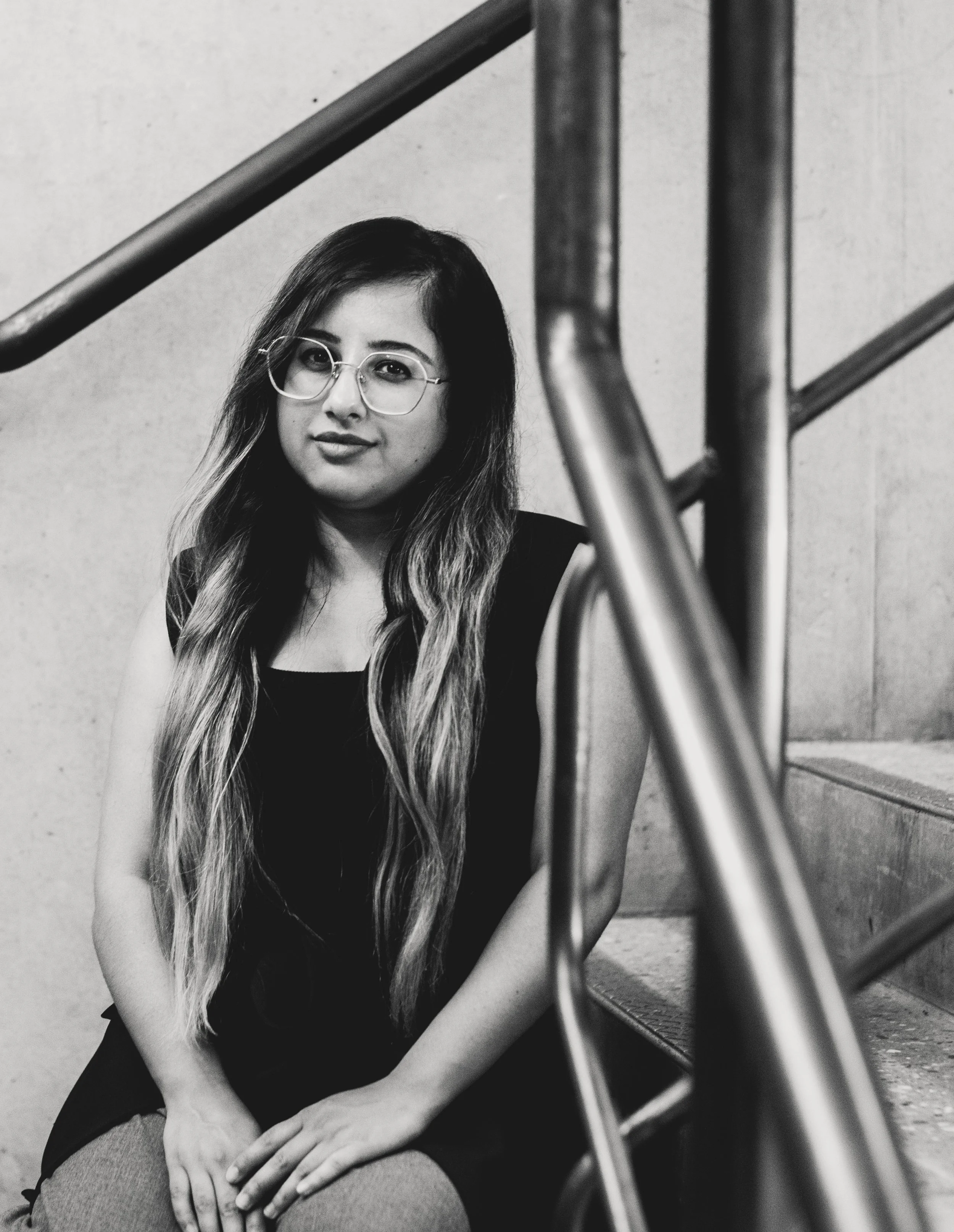
For artist Vedika Rampal, copper’s patina becomes a symbol of strength — a protective response to external conditions which offers a way of thinking about resistance. An Indian-born Australian artist now based in London, Rampal is a recipient of the 2026 Jaguar Awards, an annual initiative presented by Jaguar in collaboration with London’s Royal College of Art to recognise emerging contemporary artists.
Rampal’s practice centres on ways of seeing. Her works tease out constructions and assumptions of history, archive and memory, and the artefacts and institutions which structure narratives of history and power. Working with large-scale installation using screens, such as copper and textiles, alongside modes of etching and inscription, Rampal’s works channel the viewer’s gaze in specific ways, unravelling how viewpoints that might at first appear natural are both constructed and obstructing. Her installations can never be seen all at once, seeking to resist the colonial logic that an artwork, or a culture, can be known or consumed in its entirety.
Receiving a special commendation in the 2026 Jaguar Awards, Rampal’s copper installation Tyger Tyger Burning Bright explores South Asian artefacts held in British museum collections and the ways in which collecting institutions uphold Eurocentric canons and privilege colonial histories. Rather than taking the gaps and silences of the archive as a limitation, Rampal sees them as an invitation.
Following her Jaguar award-winning degree show, A-M Journal speaks with Vedika Rampal about patina and preservation, sitting in slow time, and the sites where absence speaks.
ARTS-MATTER: Your work invites viewers to question the stories we've inherited about history and power. What conversations do you hope people leave your exhibitions having with themselves or with others?
VEDIKA RAMPAL: With stories of history and power comes the loss of power over one’s own histories. This chiastic play evokes both yearning and an overwhelming sensation of loss. Yet that feeling of despondency is not entirely reflective of what persists within the material vestiges of the past. Yes, there is a burden to inheritance, but there is also continuity and connection.
I have found that, particularly when looking at sites marked by destruction, whether through plunder, defacement, erasure, omission or mistranslation, there are two ways in which one could perceive them. The first is by excavating all that resisted, remaining through fragments, residues and inscriptions. The second is by reading agency within those absences, the gaps and the fissures, as a resistance against capture, against being time-capsuled within a sterile vitrine elsewhere, far removed from any origin. That is the duality of excavation. The word reminds us not only of unearthing, but also, simultaneously, of forming. That is the slippage.
And all of this becomes evident through one’s lived encounters with site, histories, archives and memories. I always say that within these colonial histories, everything and nothing is lost. There is an enduring sense of hope in thinking about things in this way, in the possibility of otherwise impossible life forms. That is what I would like audiences to carry with them after leaving my exhibitions.
A-M: As an emerging artist gaining international recognition, what have been the biggest lessons you've learnt about building a sustainable creative practice?
VR: Slow time. It is a privilege to have the time to think, to write, to read and to encounter. When one is given that time, as I was during my Master’s, one ought to use it to its greatest capacity, and that requires slowness. As my practice is research-driven, I often say that I begin making when I stop thinking. When my mind has reached a state of paralysis, or perhaps, more precisely, a state of nothingness in response to abundance, that is when I begin to make. Once I start making, the experimentation, failures and learnings all happen within the work itself.
While I do use smaller-scale models and digital renderings beforehand, as a large-scale installation artist, it is neither financially nor environmentally sustainable to produce full-scale tests. When the larger materials arrive, that is it. The majority of the testing happens then and there, within the final piece. Significant thought therefore has to go into the work beforehand. Of course, not everything goes according to plan, but there must be at least six different contingency plans already considered.
But perhaps more importantly, I conceive of a sustainable creative practice as one which resists the model of hyper-production. It means letting a work sit and letting it breathe. Because my practice is iterative, the previous work always seeps into the next. At the moment, I seem to be making only one major work each year, and I think that is necessary. Art needs time to come into existence.
A-M: Many of your works ask viewers to slow down and look more closely. In a world saturated with images, how do you create moments that encourage deeper observation and reflection?
VR: Rather than images specifically, I might instead say that the world is saturated. With information, with content, with voices, with subjectivities. Digital technologies provide (with monetary caveats) at the very least the illusion of unmediated access. Circulation and immediacy are key here. Within this gossamer, one simultaneously assumes a right to access, even if that access is, at its most extreme, fleeting.
Perhaps within an exhibition space, then, especially when a singular installation work is displayed, that saturation of the many is exchanged for what one might call immersion. A new force comes into play, and that presupposed access is suddenly under negotiation.
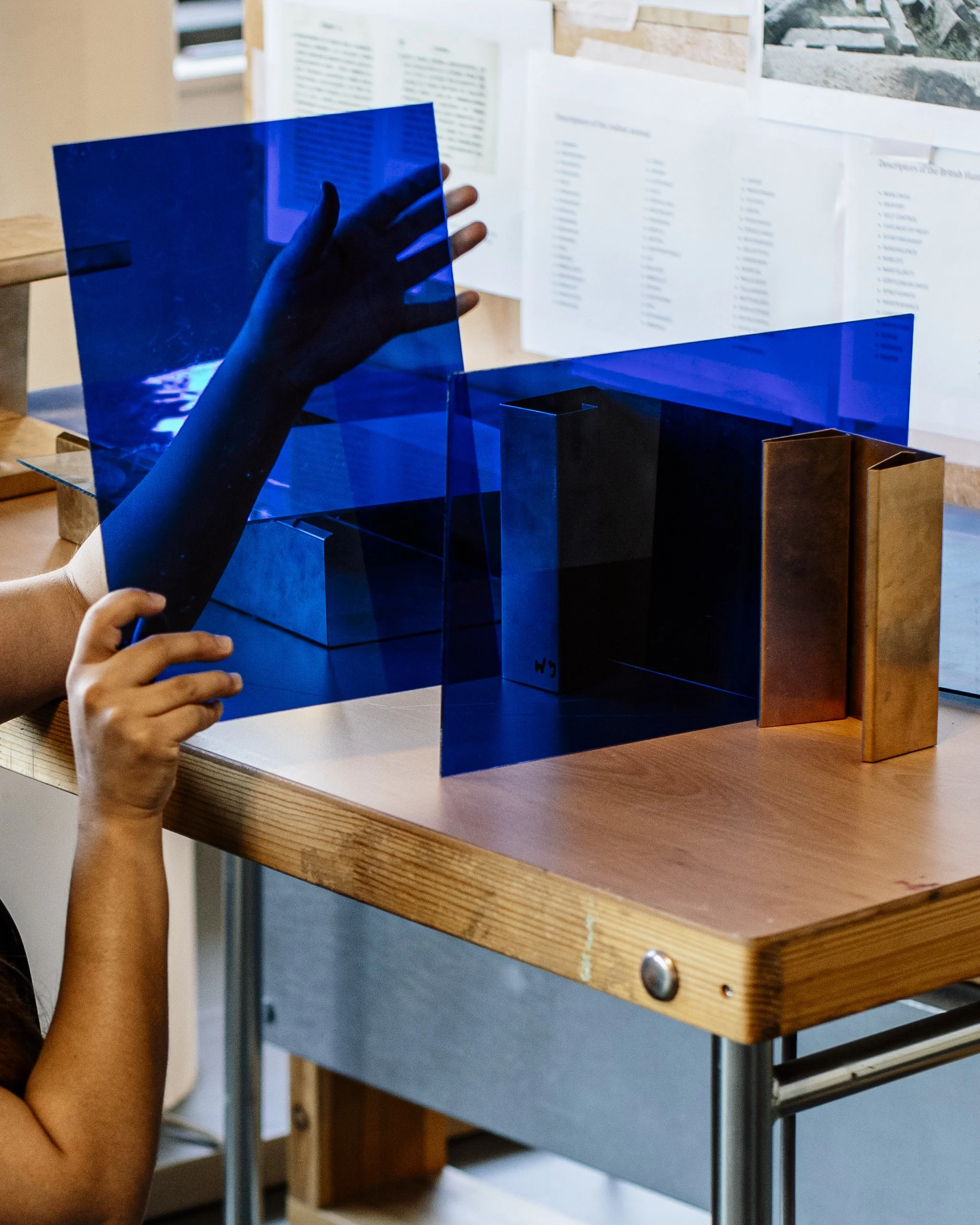
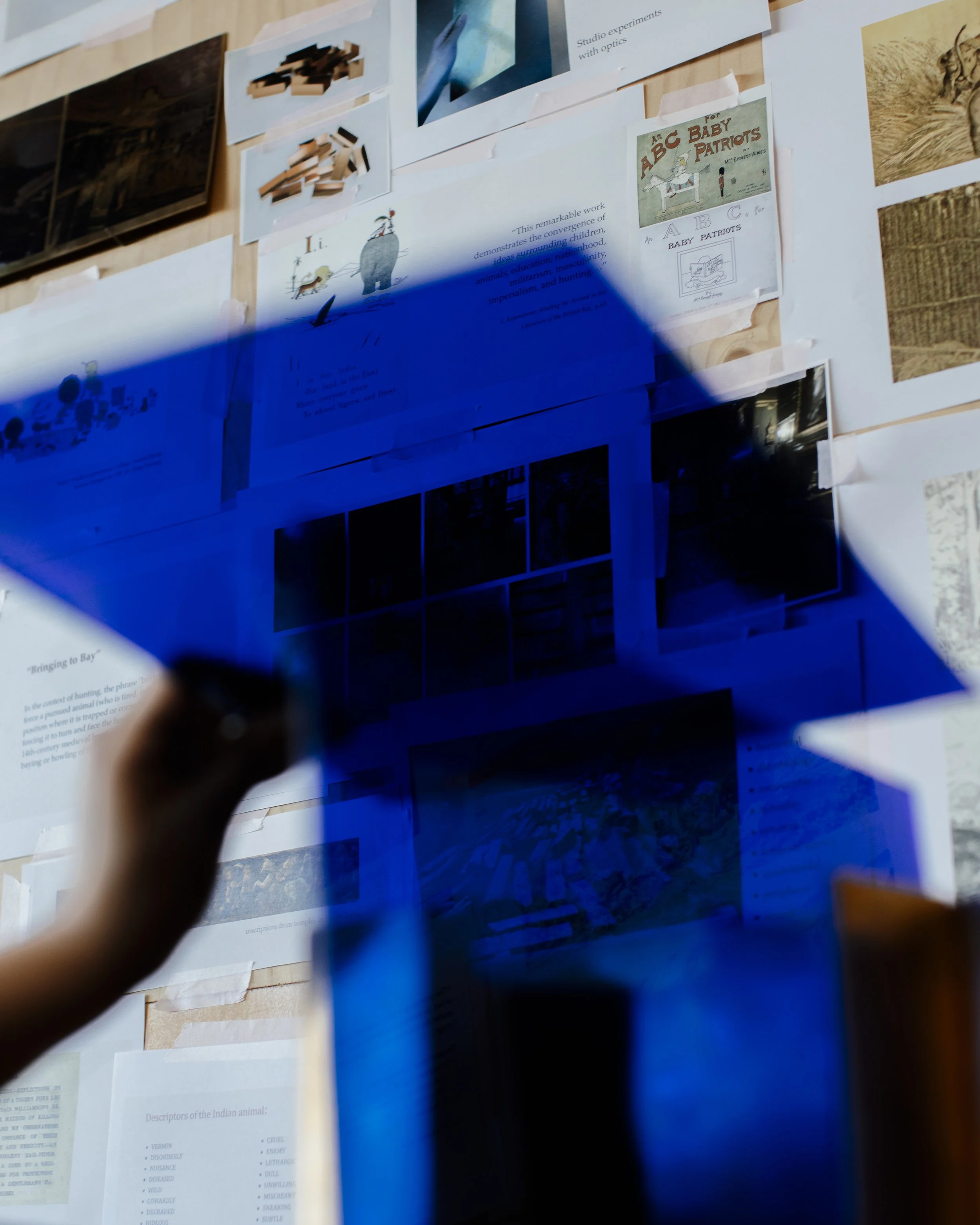
There are many reasons why I like working with large-scale installations (which usually have three main components: the image-form, screens and inscription), but primarily it is because the bird’s-eye view, or rather, in quasi-imperialistic terms, the god’s-eye view, is obfuscated. You cannot see the work all at once. You cannot photograph the work in its entirety. The work cannot exist solely as an image because that format is entirely inadequate. Its place in-space, in-site, in-being, in-situatedness, forms part of the very conditions of its existence.
As such, the audience’s movement also becomes essential to the piece. In what might be considered a pilgrimage, the viewer is invited into a peripatetic wandering through the space, moving not from centre to margin or margin to centre, but rather from periphery to periphery. Deeper observation is therefore encouraged not simply by asking the viewer to look for longer, but by making any singular, immediate or all-encompassing viewpoint impossible.
A-M: If there was one idea or question that you hope continues to define your practice, what would it be, and why does it matter to you?
There are many questions that I think about often, but there is no particular chronology to them. I think about whether art could ever reconcile itself with histories of violence, or whether the colonial animal could unbecome image. Recently, I have been thinking about how the temple might be the antithesis of the museum. But these questions remain perennially unsettled, always shifting.
Julietta Singh has written about ‘unthinking mastery’, and I think that would be the overarching thread. How do I, as primarily a visual artist, avoid reproducing the very ocular and ideological violence of the histories and archives with which I am grappling? Yet, at the same time, any pursuit of de-coloniality should not deny the necessary materiality of the artwork in question. It is important to constantly interrogate one’s assumptions. I find something deeply liberating in understanding origin as polysemous, as flickering and maybe even as myth.
Coming back to the previous point, unthinking, for me, refers not only to mastery, but also to what may appear to be clear-cut dialectical oppositions. The problematics of monumentality, modernity and formalism need not be undone only through a-monumental, a-modern or a-formalist becomings. For me, it is more productive to ask why the first principles of aesthetics are assumed to be in the sole epistemic possession of Eurocentric canons. What if, for a moment, we indulge the possibility that they can exist elsewhere, yet mean something entirely different?
A-M: Your work often begins with historical archives, but rather than preserving them, you actively remove and reframe elements from them. What draws you to absence as a way of revealing new narratives?
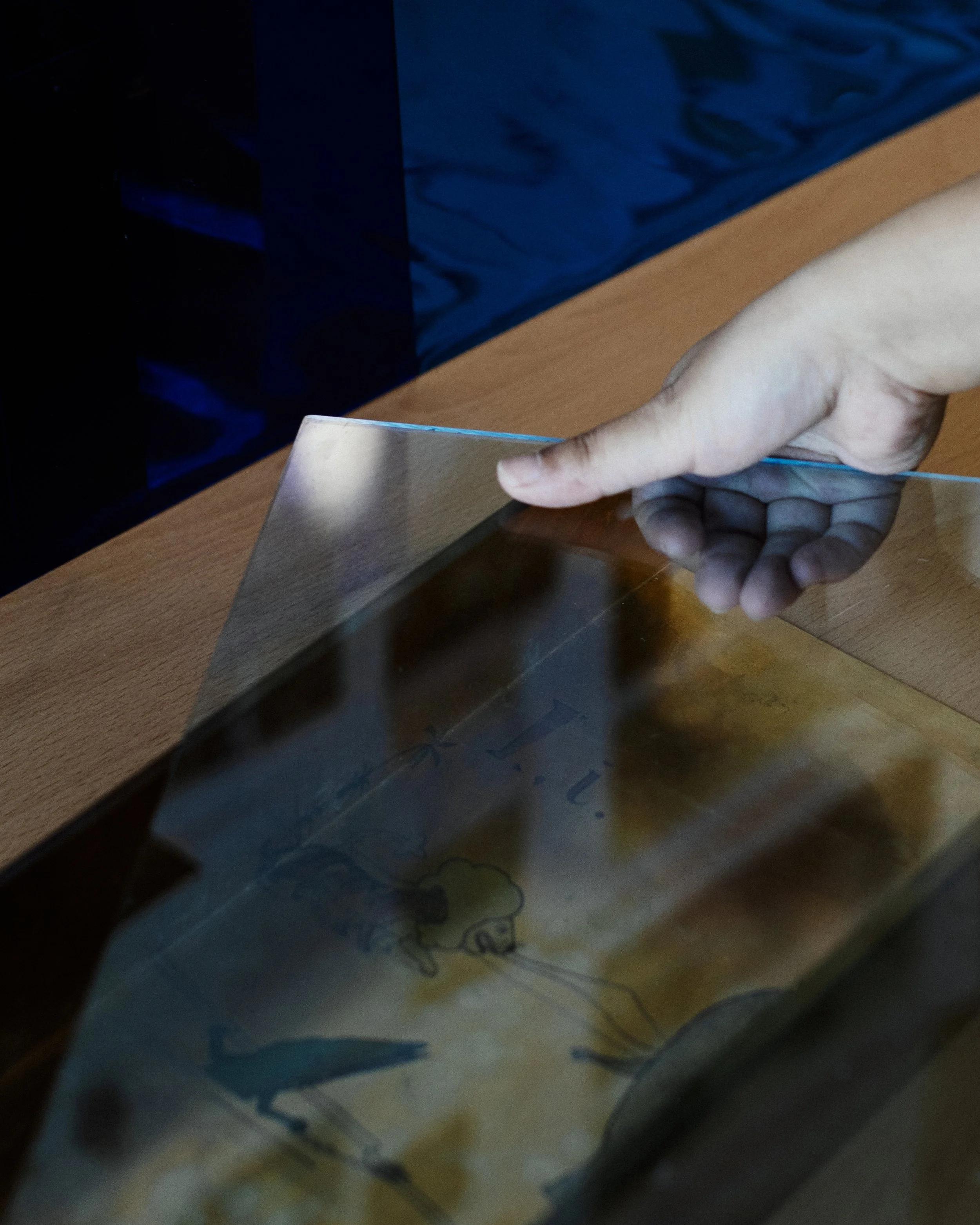
VR: While I understand that there is an instinctive desire for preservation, or perhaps even self-preservation, which drives us, particularly when it comes to culture and heritage, I cannot reconcile myself with the modes of preservation that emerged simultaneously with Empire and the Western imperial project, namely the museological modality. Whether through taxidermy or the vitrine, the museum or the private collection, violence is deeply embedded within acts of severing, extraction and movement. There is also a violence in denying life to objects, in time-capsuling them and rendering them for display. Is it not strange that we may live and die, but they may not? That they are condemned as relics?
I have written elsewhere that artefact shares its root with artifice. It is therefore impossible for me to locate the real within any object placed within these archives, particularly when so much of its history has already been omitted, mistranslated or displaced. Absence, then, is more than simply emptiness. Through acts of removal, I try to expose the gaps already present within the archive and create space for narratives that exceed what has been preserved or made visible.
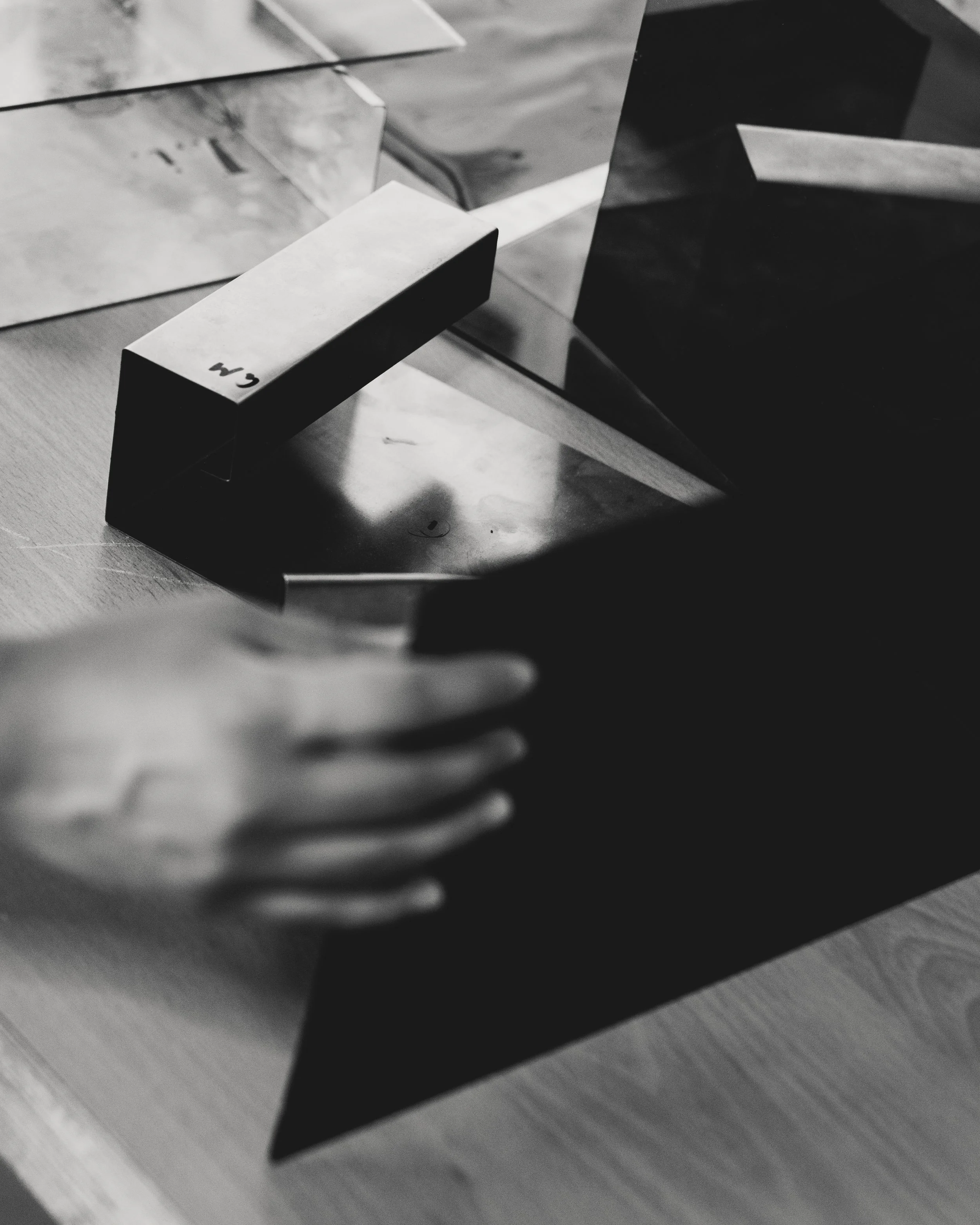
As an artist, I have had a long love affair with copper. Because unfixed copper, to be precise, is its own form of subversion. It is a living and breathing material, like us. It changes and oxidises over time. Yet it does not simply weaken through this process. Its oxidation forms a patina that protects the material beneath. In this sense, it offers a material response to the sterility of preservation, one in which change does not necessarily signify loss. If that is not an allegory for resistance, then I do not know what is.