
Toyko Dispatch with Sha’an d’Anthes: “What Happens When Most of the World is Asleep?”
Interview by Lameah Nayeem | Photography by Rocket Weijers
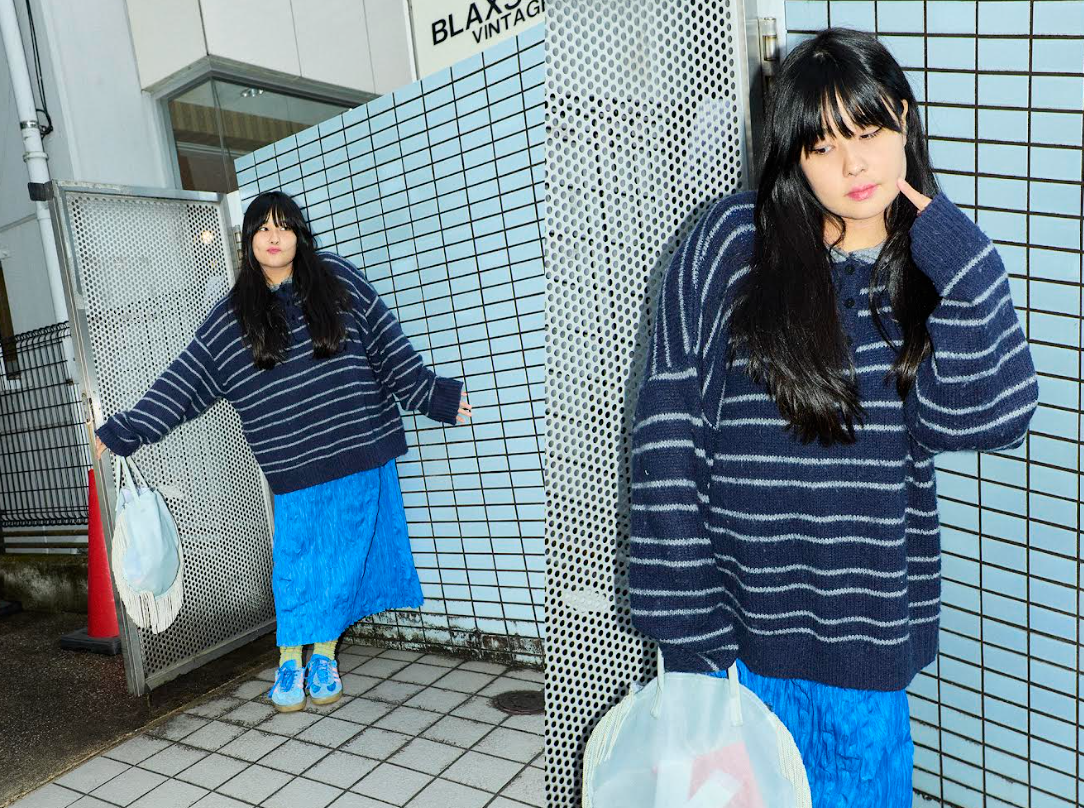
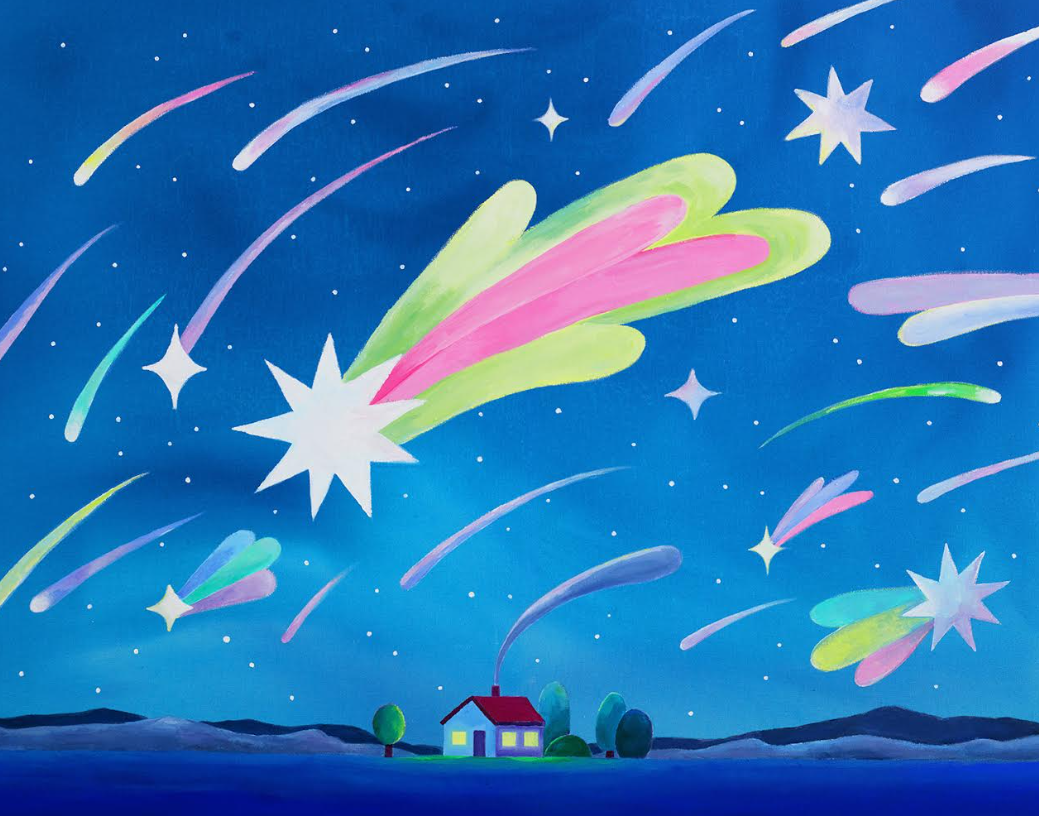
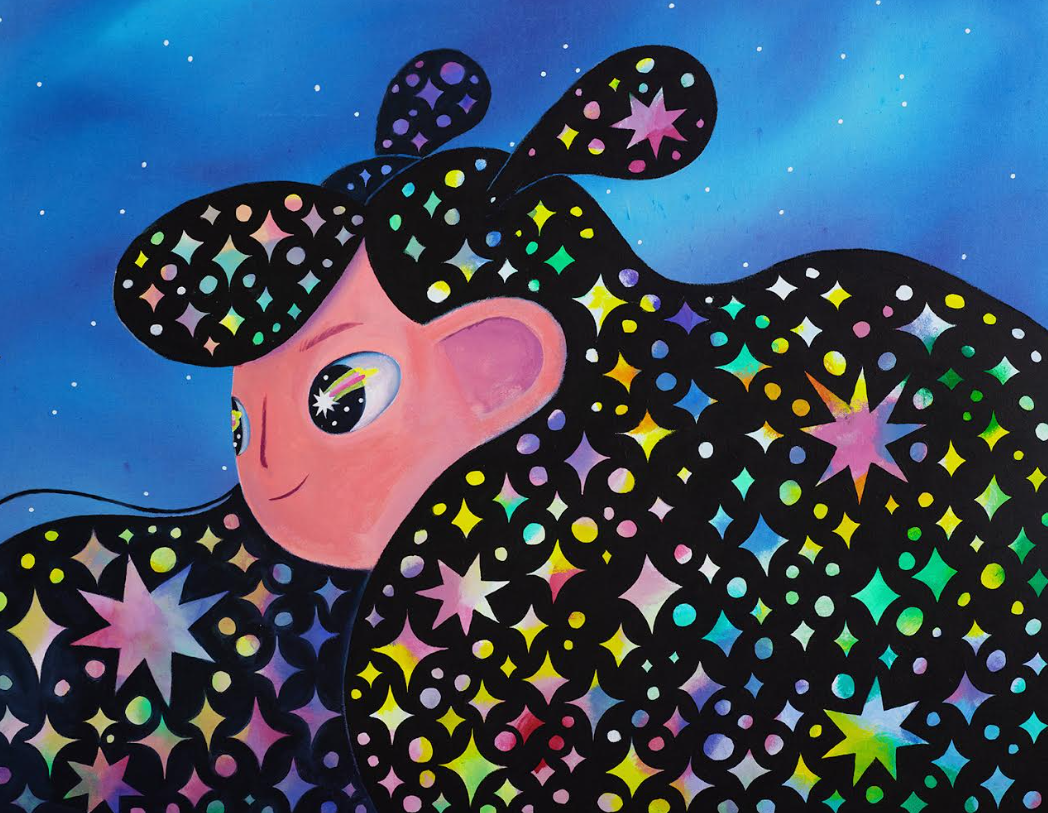
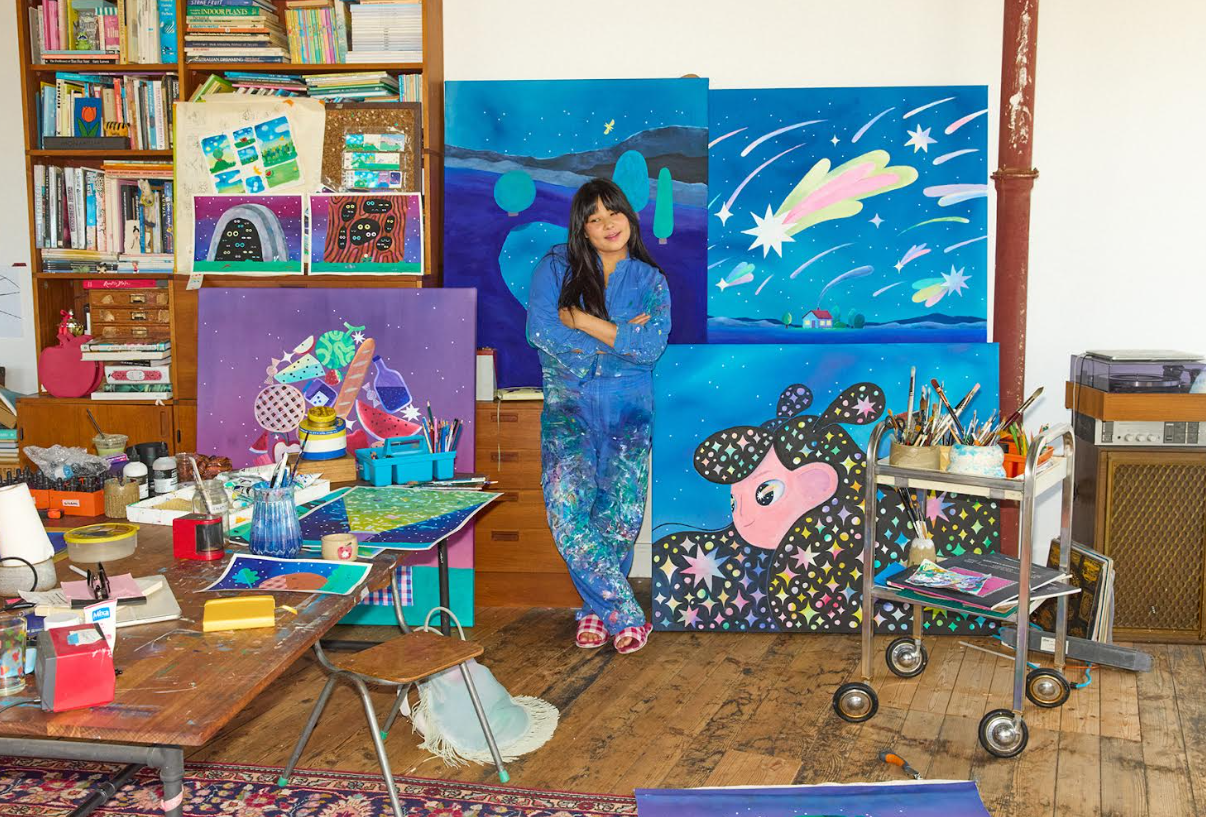
Sydney-based artist and illustrator Sha'an d'Anthes dances backwards through time, inviting us to reconnect with childhood wonder and nostalgia. Her artworks are bubbly, bold and exuberant, recalling feelings of summery youth. Her latest exhibition, Midnight Picnic, unveils at SH Gallery in Tokyo from 21 March. Drawn to the refuge found late into the night, when the world is asleep and the mind is left to wander, Midnight Picnic focuses on the lives of various characters occupying what d'Anthes calls the "secret time".
Ahead of her exhibition, she chats with A-M Journal about sustaining whimsy, lessons she's learned from her social media presence, and her art-making process.
LAMEAH NAYEEM: Did you always see yourself becoming an artist, or was it something that developed over time?
SHA’AN D’ANTHES: I have this book from my childhood that asked you to answer a bunch of questions - how many windows are in your house? How big is your foot? What do you want to be when you grew up, I found it again a few years back and my answer says “an artist or farmer”. I feel so lucky that the people around me - family, friends, teachers - actively encouraged me to pursue what I was interested in and were never condescending when I said I wanted to be an artist. I feel like most of the time when people stop painting and drawing it’s because they were discouraged from doing so at some point by some one - I’m just so lucky that wasn’t what it was like for me.
LN: What key principles underpin your approach to artmaking?
SD: I fully believe that play is a cure-all for any creative challenge and I work best when I’m having fun.
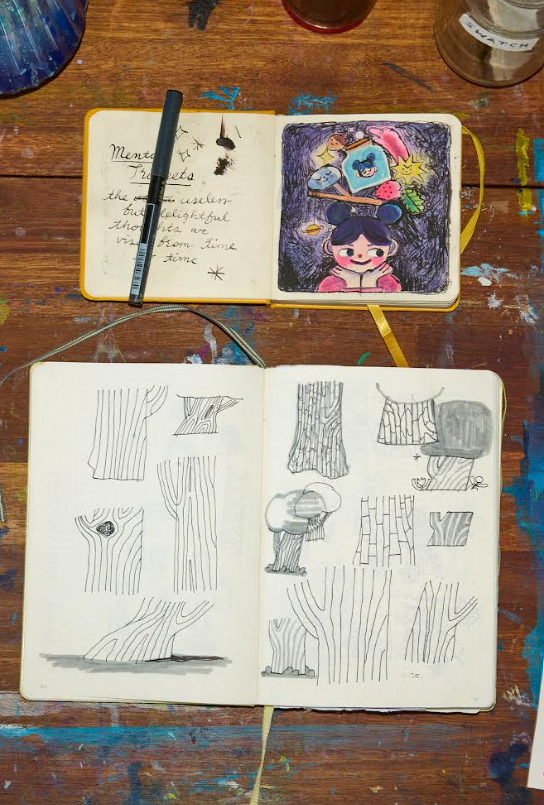
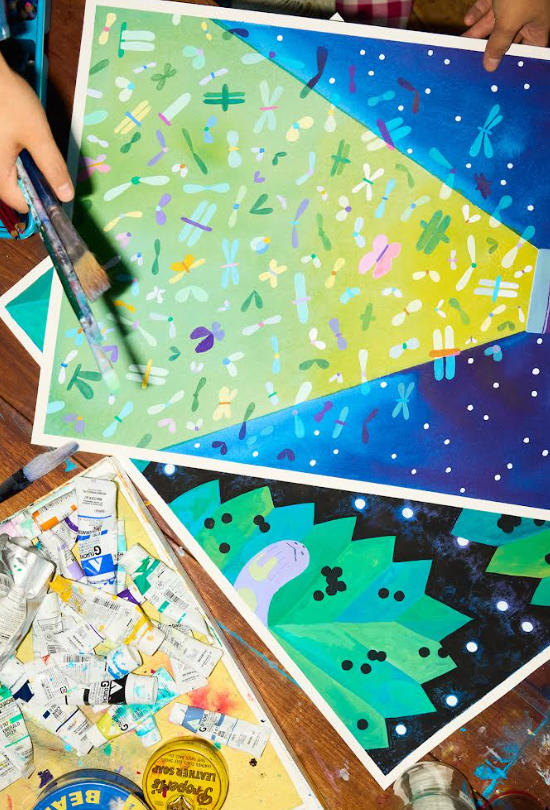
LN: Childhood wonder, nostalgia, and whimsy are central to your practice. In a world where it's becoming easier to disengage with these qualities, how do you sustain them in your daily life?
SD: My practice is escapism. I am easily overwhelmed, especially when I start to feel hopeless which I’m finding super easy to fall into given the state of the world. I’ve found that keeping my hands and mind busy is an antidote to hopelessness for me and it’s also a way for me to connect with others. Nostalgia is returning to a place where I feel happy, safe and excited. That sense of refuge in a safe and whimsical place is something I want to build for my audience too.
LN: You’ve published several books, including ZOOM (2016) and Bandits (2020). How do you translate your visual language into written narratives, and what has that process revealed to you?
SD: I feel that my stories are like my paintings - wholesome and vibrant - so I think they must both come from the same place in me. My approach to writing picture books has changed a lot. In those first titles I would have the visuals in mind first and try to add the words to describe what I saw was happening in the story. I’m not sure if that’s the way I like to work anymore. I just finished my next book ‘The Late Bird’ (to be published by HarperCollins US, 2027) and for this story I started with the with the words. It started when I thought “The early bird gets the worm, but what does the late bird get?” To me the existence of an early bird implied the existence of a late bird and that intrigued me. I create my written narratives from a place of curiosity, which is sort of how I build out a visual narrative too.
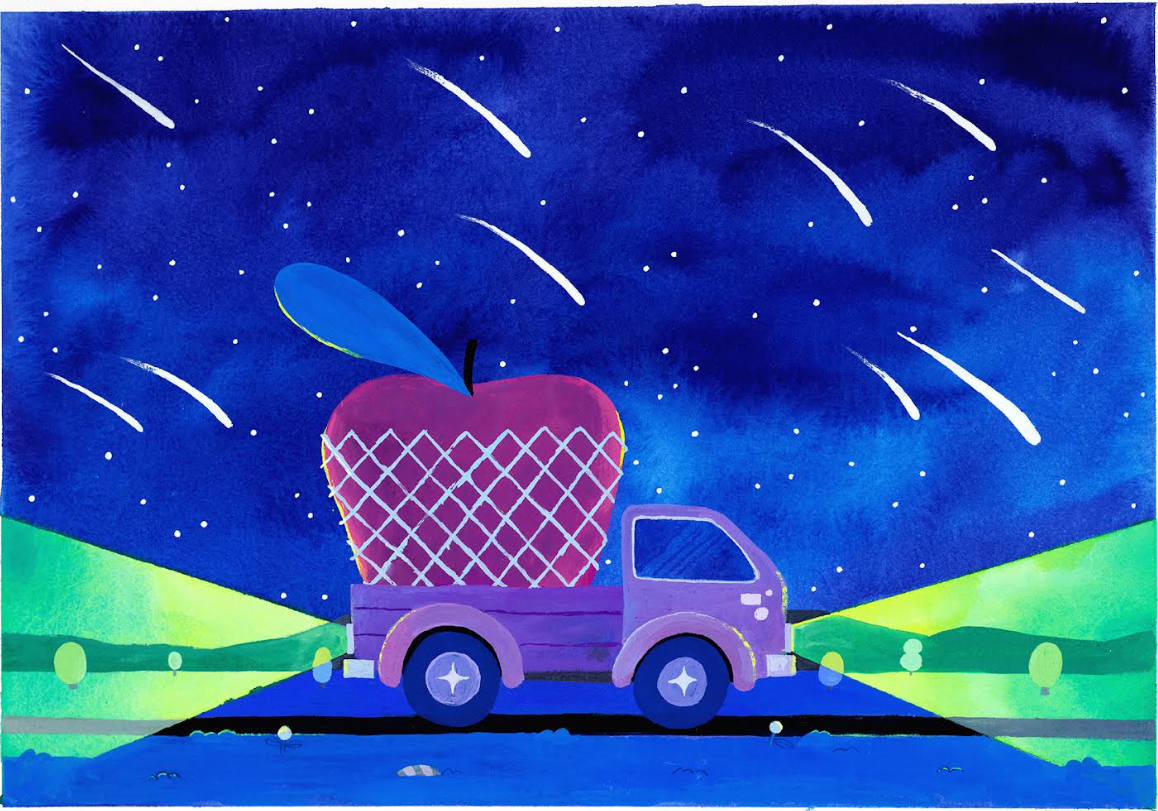
LN: Is there a particular artwork that holds a story your audience might not expect?
SD: I think The Late Bird will be the most personal story that I’ve made. When I was writing the story I felt like I was writing a letter to my younger self, and to my little sister who is neurodivergent. The moral of the story is reframing the objective lens we use to measure ourselves and introducing the idea that you aren’t actually behind you may just be something else entirely. That’s a reassurance that anyone can relate to at some point or another but I hope that it speaks to people still finding their place in the world.
LN: Each October, you organise ‘Peachtober’, a community challenge encouraging daily artmaking. Do you find your work thrives more through routine, or through moments of sudden inspiration?
SD: Sometimes my creative process calls for a break in routine, but when I have overlapping project deadlines or with Peachtober for example I feel like the process is smoother when I have routine. I’m trying more than I ever have to listen to what I need. Ideas need room to breathe - quiet moments, slow mornings. But the execution of these ideas requires a devoted routine. I find that routine takes the overthinking out of my process which can be a barrier to creativity for me because it’s where I begin to question myself and then ultimately my ideas.
Peachtober is truly an intense but magical time for me - every single year. For those of you who don’t know, Peachtober is a daily art challenge that I host each October. I release a list of 31 word prompts, and thousands of creatives from a huge variety of disciplines (painting, drawing, poetry, ceramics, collage, digital art, 3d, typography and more) come together to make and share their work every day. Each year, we make almost 100,000 new artworks together. It’s a way for all of us to sidestep the algorithm and connect with other artists. Aside from feeling creative and connected to my community - it taught me to keep a really tight routine over a long period because there are so many things to complete in the day, every day. When I started I just wanted to make a list for myself to follow for the month, so it will always surprise me how vast and strong the community surrounding the challenge is. I’m very proud to be apart of it.
LN: You’ve built a significant following on social media since 2010. What has the process of consistently documenting your work been like?
SD: For as long as I’ve been painting I’ve been documenting my process. It can get exhausting to juggle sometimes especially on a project deadline but I consider it a part of my creative process. A non-negotiable. In the early days when less artists were sharing stuff on social beyond a portfolio it made me a little insecure. I had this nagging fear that people wouldn’t take my work seriously if I was sharing my life and process with my audience - sometimes I still fear that being mysterious is more valuable to the work. But at my core I feel sharing the aura of the work and how it came to be is as important as the art itself. I am my work and my work is me.
LN: Your website also features a journal where you share fragments of your life. How do you decide what to make public and what to keep private?
SD: I’ve been sharing my life with the internet for a long time - since I was 17, for me there is very little hesitation involved. Or maybe there is less thinking than one might guess there is?
LN: Has the constant visibility that comes with social media changed how personal your work feels, or how you experience being perceived?
SD: I am my work and my work is me. Sharing my work is like sharing parts of me, and sharing parts of my life and process is like sharing a part of my work. They inform each other and I don’t know how how to separate them.
LN: What has been the biggest lesson you've learnt in your career so far?
SD: Just to loosen up. I am not a chill person naturally so over the last couple of years my focus has been to stop thinking and just continue making. I just want to trust my gut, enjoy myself and make things that help people enjoy themselves.