
“The Thing That is The Thing”: Dissecting Je Ne Sais Quoi with Hyun Lee, Director of French Girls
Interview by April-Rose Desalegn
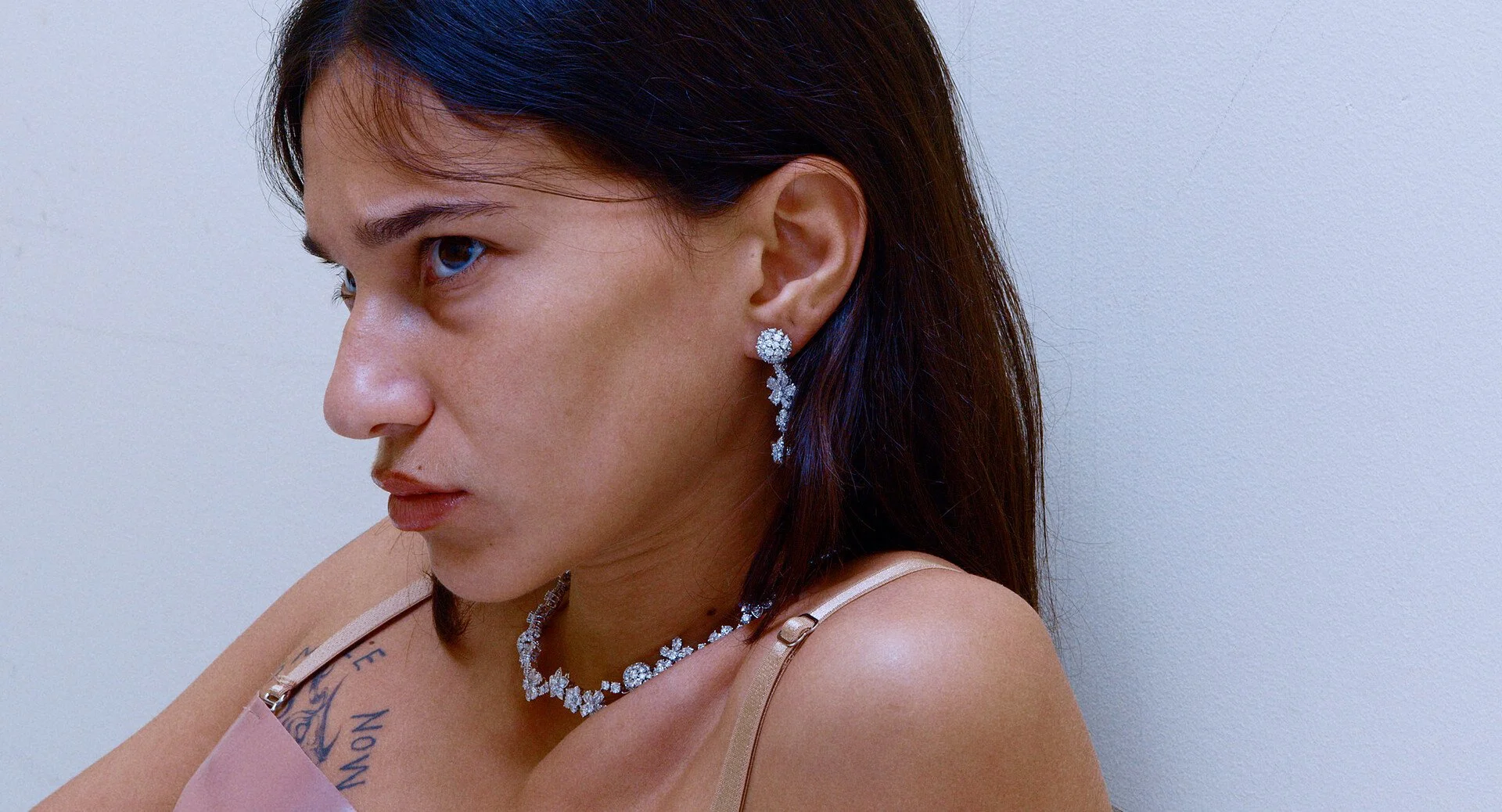
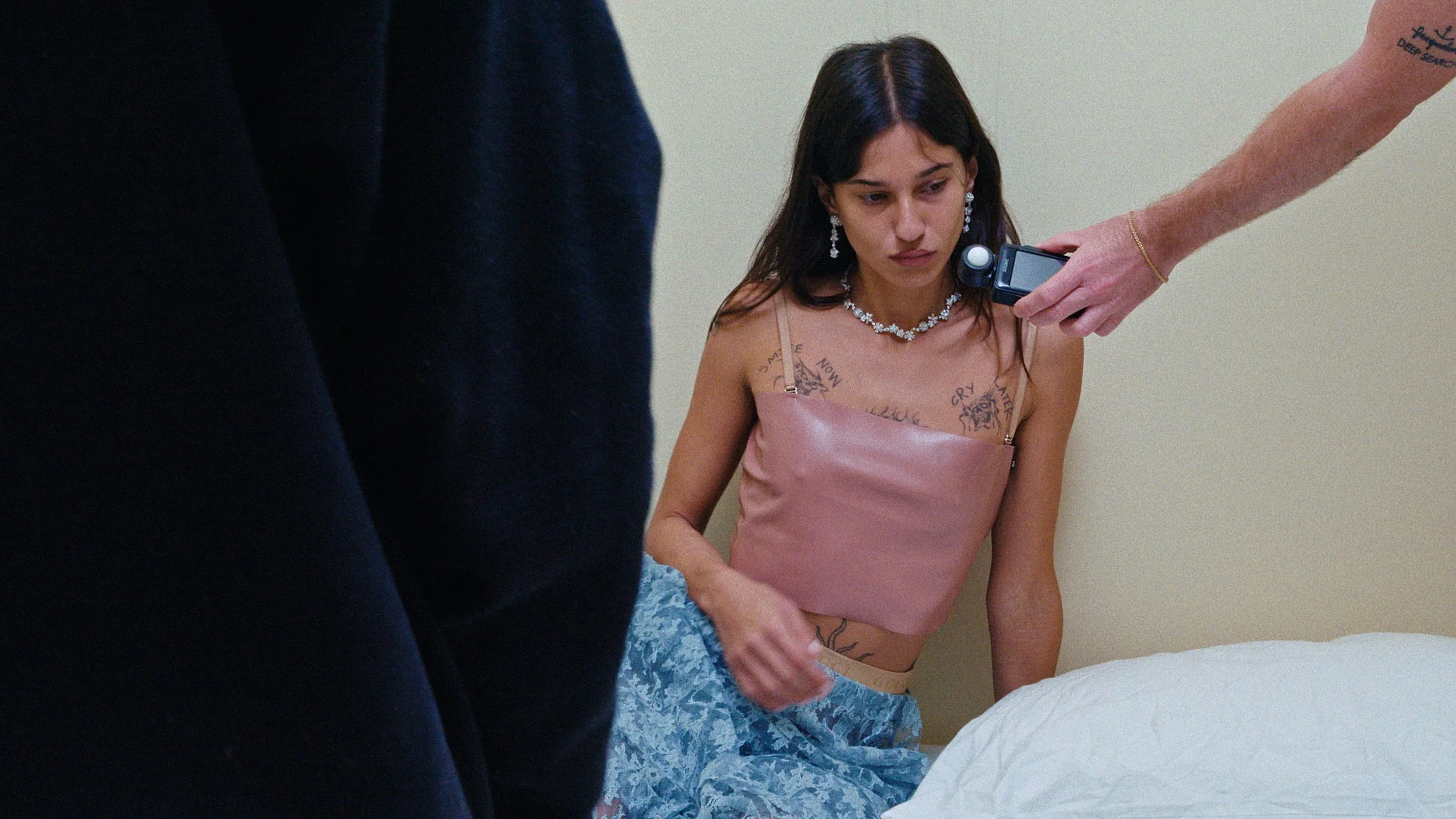
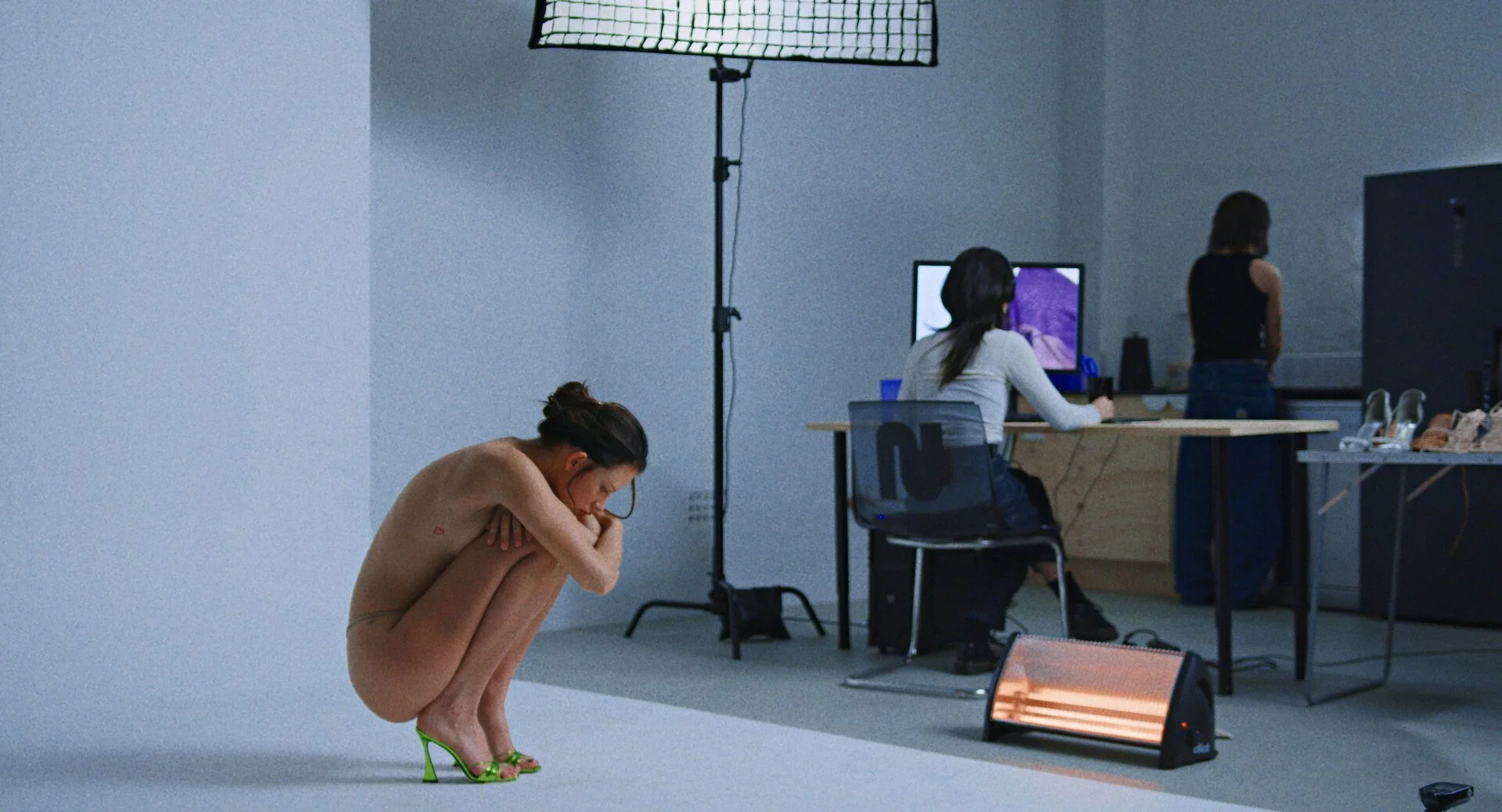
As Sydney Film Festival sweeps through the city, French Girls has managed to set ablaze not one, but two arts communities like no other. Evocative, intimate and surprisingly violent, Hyun Lee’s debut feature offers a glimpse behind the looking glass into the clandestine working life of a model, played by first-time actor Mia Kidis. Kidis plays ‘Mia’, a construction worker and newly scouted model whose deadbeat boyfriend and dalliance with Sydney’s criminal underworld infiltrate the glamour of the fashion industry to reveal a complex, interior world. In what may come as a surprise to some, Mia’s photoshoots, runways and castings are imbued with a sense of slowness and monotony that is found in most neo-capitalist labour. But despite the intoxicating flavour of mundanity in being the ‘muse’ that Lee so expertly elicits (it is a job that models perform, like any other), something more unsettling bubbles beneath the surface of Lee’s pastel pink, dusty blue cinematic universe. Chatting with Lee, it became evident that this feeling is owing to the breadth of research Lee conducted on the historical, social and political forces that shape fashion, and fashion labour – history that manages to punctuate every frame.
The micro-budget feature – made on Lee’s weekends across four years mostly using sets and scenarios she already had access to – illustrates the moneymaking genius of the fashion industry through the commodification of je ne sais quoi. That untouchable quality of ‘mystery’ in a person that can be manufactured, and exploited. And, because it is undefinable, it is endless.
April-Rose Desalegn speaks to Hyun Lee about her feature film, French Girls, following a sold-out debut at the Sydney Film Festival.
APRIL-ROSE DESALEGN: It's a big time for you!
HYUN LEE: Yeah, it's pretty crazy, I've never done this much press in my life, so it's pretty new to me, but I do love talking about the film. I think I'm a good talker.
AD: I think you're a great talker. So…what was your first inspiration for French Girls? When did the light bulb go off?
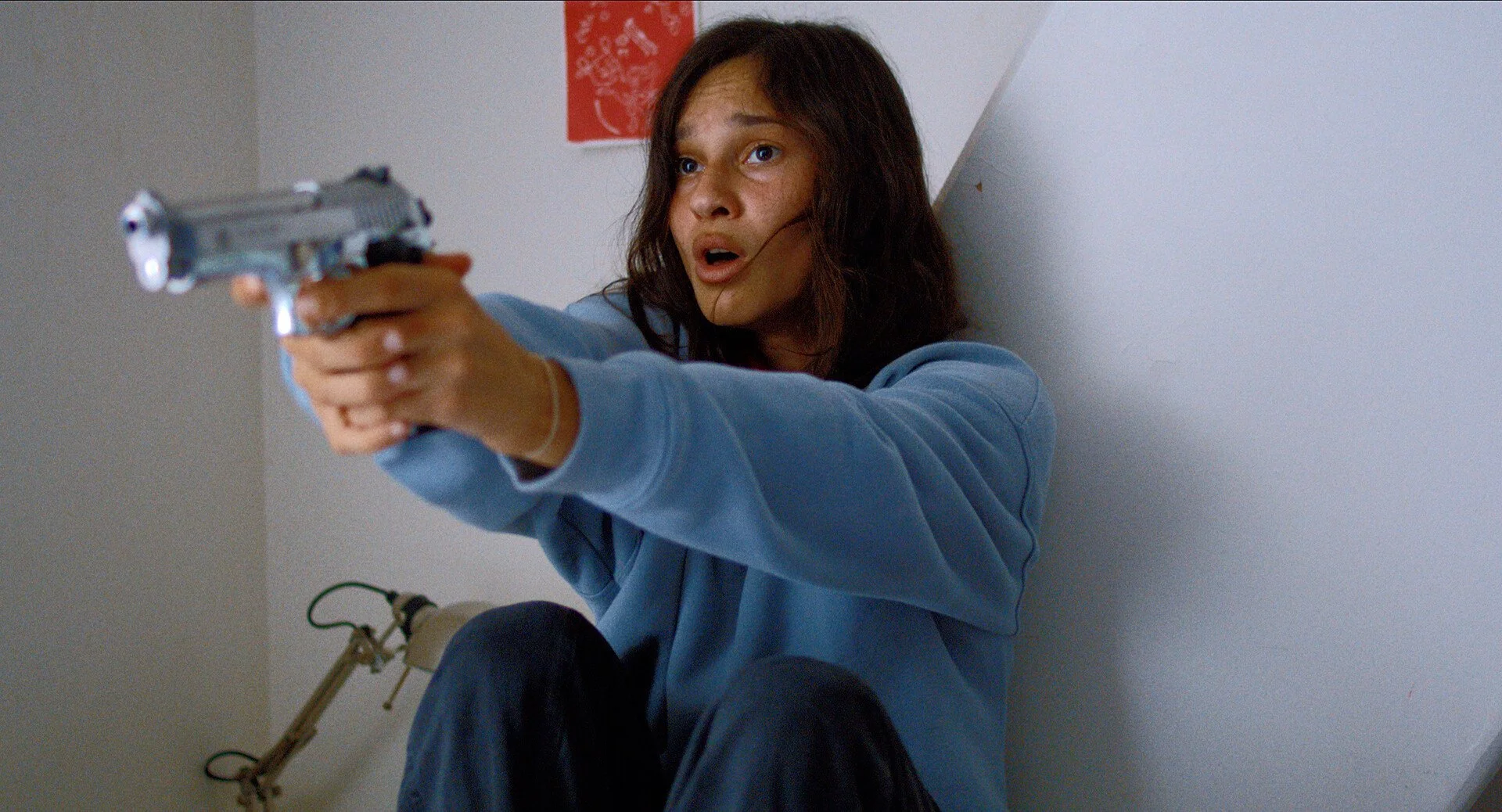
HL: I had many light bulbs, maybe it's more like fairy lights. [Laughs] Yeah, lots of little lights…I mean, with all my film projects, I do a lot of development work, so I shot many photo series in the lead up to making French Girls. I'd written lots of essays, had done creative writing pieces. There's so much work that went into the development of it. At one point, if I was to answer that question, I would have said that I was being influenced by a lot of French political history and theory. I was reading a lot about the French Revolution, which sounds so convoluted, but…it’s all in there. That’s why we have a gun in there.
AD: [Gasps]
HL: Because in every revolution there’s violence. But there are so many similar ideas, like fashion is a seasonal revolution. It follows the cycle of a revolution where you have this rupture and then a new idea is presented, and then fascism takes over eventually, which is what happens when a new idea breaks out, and then it becomes a trend, and then it gets washed out, and it gets taken – what's it called, like when it becomes mainstream, and then the idea gets convoluted.
AD: Well, like punk, yes.
HL: Yes, you know, like punk starts out as a radical idea, and then it gets co-opted by some corporations, and then they start using punk to sell products, and that is the cycle of everything, like fashion, art, politics.
AD: Joseph Campbell…the guy who wrote ‘The Hero’s Journey’...he speaks about how all revolutionaries, or, all heroes, are disruptors, but then in the end when they have asserted the new world order, they love that new world too much, so they become a ‘holdfast’. The new mainstream. They don’t want to let go. Then there has to be a new hero, and that's just the process of humanity.
HL: Yeah.
AD: It's all this research you’ve done that makes the mundane, daily beauty of the film hold so much weight.
HL: Yeah, there are so many disparate ideas like that [in French Girls]. I also started thinking about how France is the motherland of fashion as well. A lot of people associate fashion with, like, Paris, and how there is something about French culture which is very tied to this idea of revolution and cultural change, but then there's also a side of it where it is a complete fantasy. Especially here in Australia, where we're so far away from France and the ideas that we have about France, and just European culture in general, it is this kind of idealised false reality.
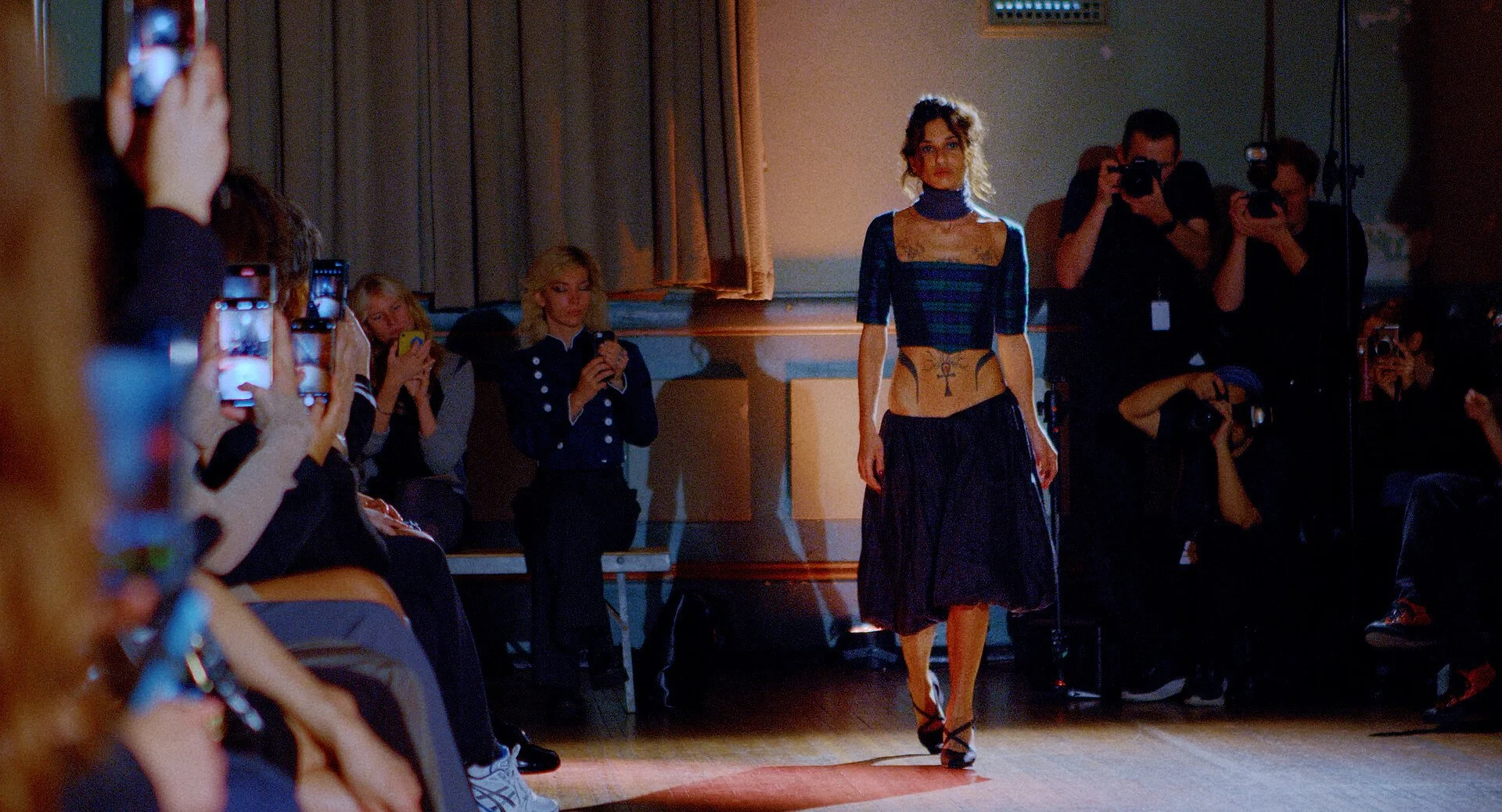
AD: We have already begun speaking about it, but why did you choose je ne sais quoi as the thread or central motif for the film? What does je ne sais quoi mean to you?
HL: It can be lots of things. I think often when I tell people that I'm making a film about fashion, they immediately assume it's going to be, like, some cringey, glamorous, bitchy drama thing, or people go the other direction – where they're like, what witty critique are you gonna make of this fashion world, about how dumb and stupid it is…and I don't take it personally, I think that's just the sort of accepted attitude towards this world that a lot of people don't know that much about. I think on one hand je ne sais quoi can be this totally manufactured thing, which I think the fashion industry tries to sell us on the idea, and tries to turn it into a product that you can buy, but on the other hand, I think je ne sais quoi is a real phenomenon that exists.
There is a real thing in art, and in beauty, in people, that there are certain things about them that have this very unexplainable, mysterious quality that is special – it stands out. It's magnetic, and we can't quite explain why. One of the inspirations for French Girls was a really close friend of mine who is extremely beautiful and when we walked down the street, men, women, children…elderly would stop to triple-take and watch her walk down the street – she was that striking. And she wasn’t a model, but, you know. Some people just have something about them that is very striking. I think all human beings have an appetite and a sensitivity for beauty, and have a taste for beauty, and we look for it in art and music and in people and in food. It's just a very natural human thing. I don't want to critique it as, like, “Oh, look at us silly human beings being superficial and materialistic’” – I think we just have a taste for beauty.
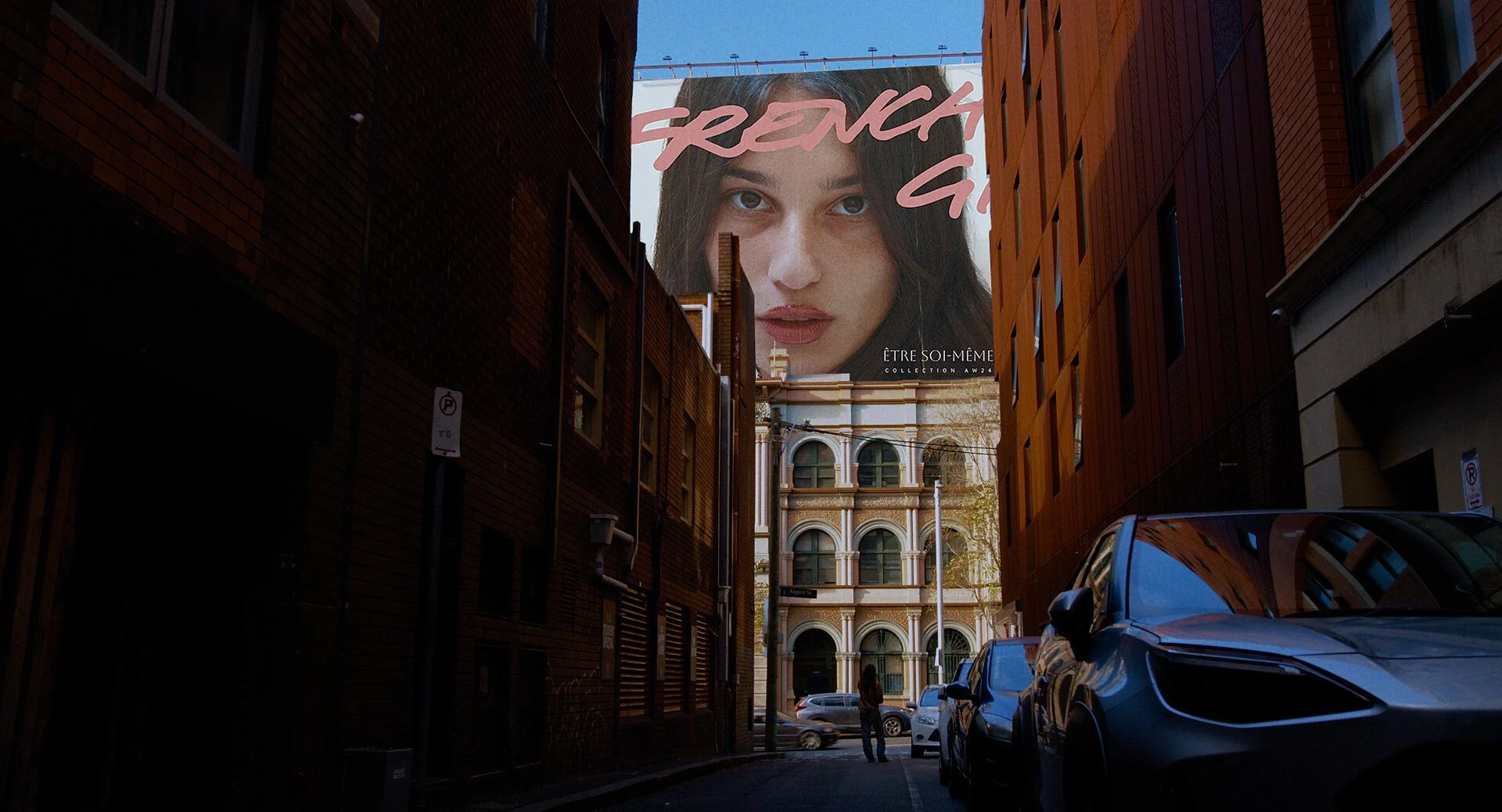
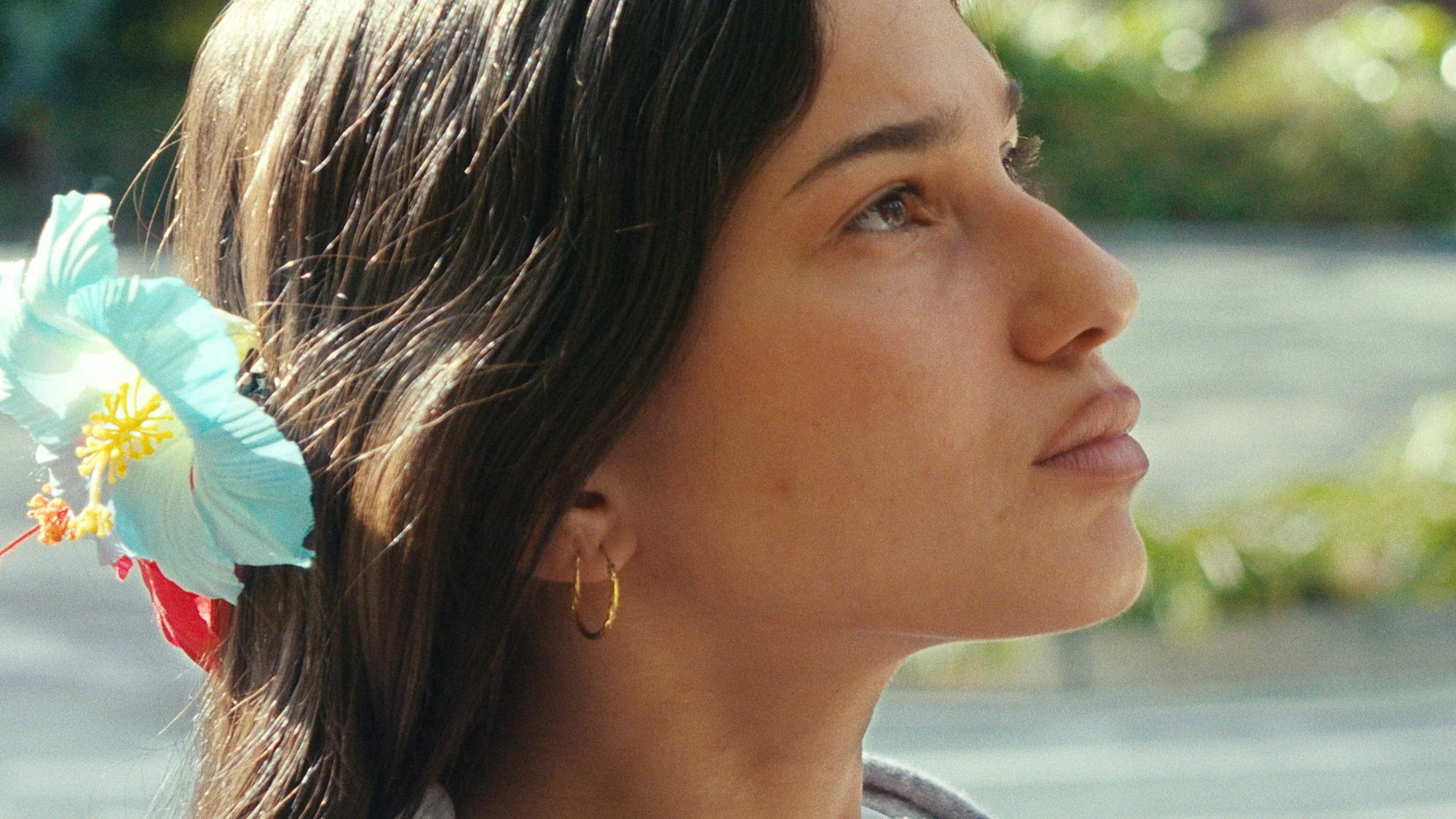
AD: I feel like you've captured something that's really special, because it critiques the fashion industry and je ne sais quoi, while celebrating it.
HL: Yeah, and I think it's been quite poetic in that sense. Je ne sais quoi, in French, literally translates to ‘I don't know.’ This is a thing that you cannot know, and that's the whole point – like, you can't, because the second you know what it is, that's when you can start turning it into a product and selling it, and then that's when it goes out, and you need to come up with the new thing that is the thing.
AD: By the way, I’m always trying to interrogate the artist’s relationship to fascism in my interviews, and the questions get cut – so I love how you brought it up naturally.
HL: It's so important to talk about, and because I'm really conscious of the fact that it's a movie about fashion and models, in some way that's actually a really hard sell. I've had to bend over backwards to be like, "Wait, wait, wait, wait, wait, it's not what you think, it's about so many other things”.
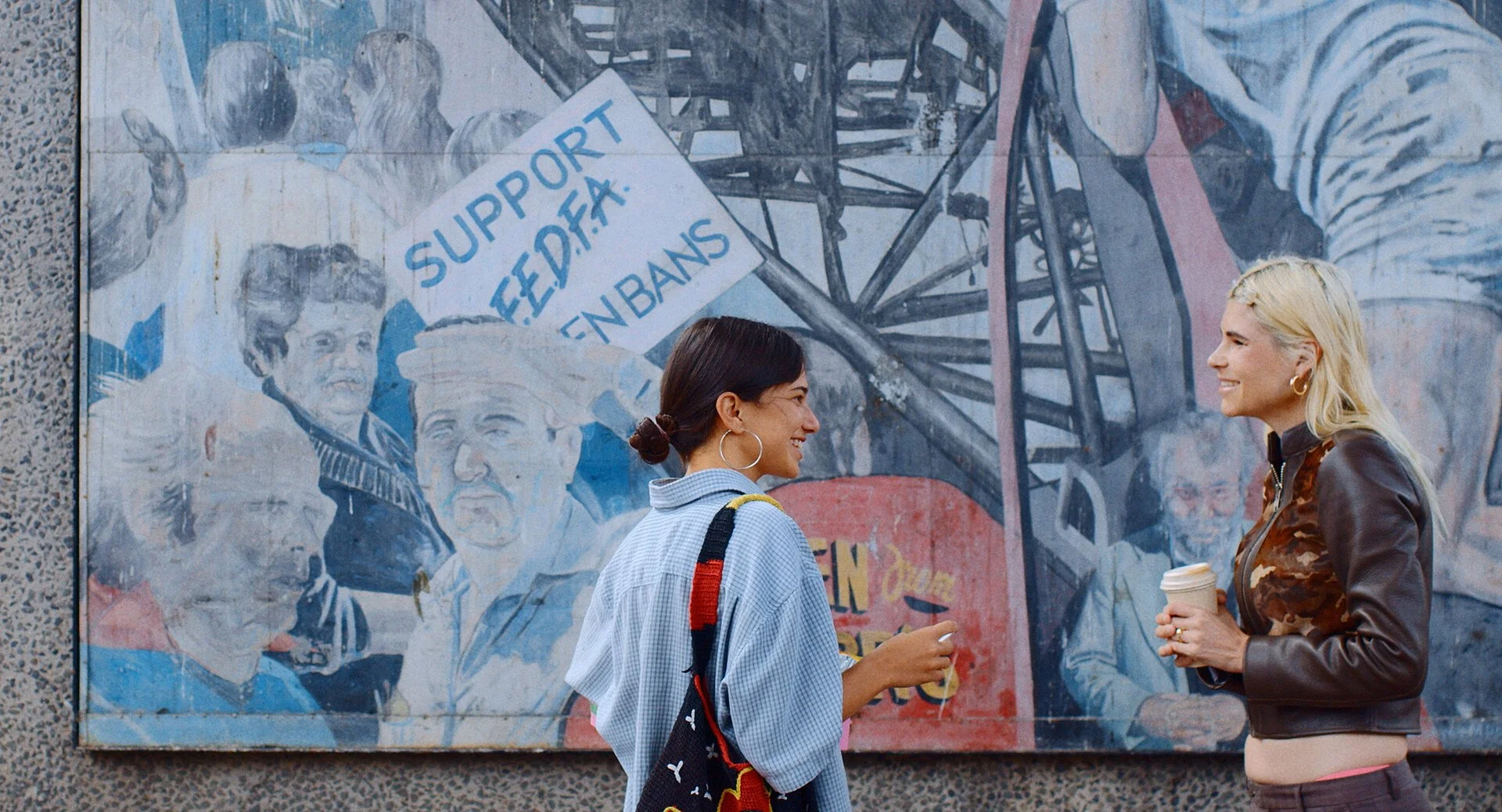
AD: I think the cast and their naturalistic dialogue is crucial to the tone of French Girls — what was your approach to casting and did this help the script evolve?
HL: I had a full script that I'd written a bazillion times over. I probably wrote the first draft in 2018 so I've had that script for ages, but it changed a lot. Like, I cringe so much when I read that first [script], but the key moments are in there. A lot of the finer details were fine tuned as we did the casting, so I actually changed a lot of the main character to fit Mia, rather than trying to make her fit a character that wasn't her. Then along the process we cast a lot of her actual friends, or used the networks of people that were close to us. We shot it on weekends stretched out over a year, and we got into a rhythm – on Wednesdays we would rehearse and workshop the script, and I would sit down with the actors and be like, is this what you would say? So, we did mould a lot of what happens to the cast that we had, and it was being written as we were making it, because, I mean, all sorts of things go wrong on a micro budget film, where you have locations pulling out, like, the day before casting. So you just have to adapt constantly.